Three Course Meal Ideas? Chef Approved Recipes & Hosting Tips
Planning a three course meal can seem intimidating, but with the right structure and preparation, you’ll create an impressive dining experience that leaves your guests satisfied and impressed. A well-executed three course meal follows a proven formula: an appetizing starter, a substantial main course, and a memorable dessert that ties everything together. Whether you’re hosting an intimate dinner party or celebrating a special occasion, understanding the principles of course progression will transform your hosting abilities.
This comprehensive guide walks you through chef-approved strategies for selecting complementary dishes, managing timing, and executing flawless service. You’ll discover how professional chefs balance flavors, textures, and presentation across multiple courses, along with practical tips for home cooks at any skill level. From elegant French-inspired menus to contemporary fusion concepts, these ideas will help you plan a memorable meal that impresses without overwhelming your kitchen.
Understanding Three Course Meal Structure
The three course meal represents a time-honored culinary tradition that balances nutrition, flavor progression, and social engagement. Each course serves a distinct purpose in the overall dining experience. Professional chefs and culinary educators emphasize that course structure isn’t arbitrary—it’s based on digestive science, flavor psychology, and the art of pacing conversation throughout the meal.
The first course should stimulate the appetite without overwhelming the palate. Light, flavorful appetizers prepare your digestive system while setting the tone for the meal ahead. The main course represents the substantial centerpiece, showcasing your primary proteins and vegetables in a satisfying presentation. Finally, dessert provides closure and leaves a lasting impression, which research on memory formation suggests is crucial for how guests remember the entire experience.
Understanding this structure helps you select complementary dishes that work together harmoniously. If your appetizer is rich and creamy, your main course might feature lighter preparation methods. If your starter is light and fresh, you have more flexibility with a decadent main course. This balance prevents palate fatigue and keeps diners engaged throughout the meal.
First Course Appetizer Ideas
Beginning your meal with an exceptional appetizer sets the stage for everything that follows. Chef-approved first courses share common characteristics: they’re visually appealing, flavorful without being overwhelming, and prepared in portions that leave room for subsequent courses (typically 2-3 ounces or about the size of your palm).
Classic French Preparations: French cuisine offers timeless appetizer templates that work for any skill level. Escargot, though intimidating, involves simple technique—baking snails in herbed butter until aromatic. A shrimp bisque delivers restaurant-quality elegance through patient stock-building and careful seasoning. Crudités with homemade aioli provides an accessible alternative requiring only quality vegetables and basic emulsification skills.
Contemporary Light Options: Modern appetizers emphasize freshness and visual simplicity. Seared scallops with lemon foam, burrata cheese with heirloom tomatoes and basil oil, or ceviche with crispy plantain chips showcase current culinary trends. These options work particularly well before heavier main courses, as they stimulate appetite without creating early satiation.
Soup-Based Starters: A perfectly executed soup course offers sophistication and warmth. Butternut squash soup with crispy sage, tomato bisque with fresh basil, or mushroom consommé represent versatile options that can be partially prepared in advance. Soups allow you to focus on main course preparation during service, reducing kitchen stress significantly.
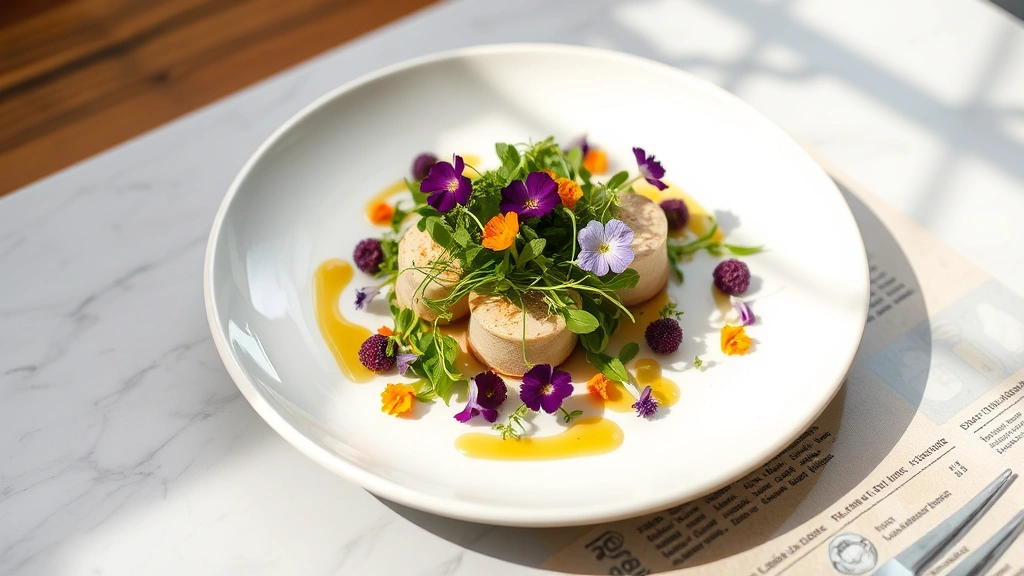
Composed Plates: Individual plated appetizers demonstrate attention to detail and culinary confidence. Consider combinations like smoked salmon with crème fraîche and dill on crostini, seared foie gras with apple compote and brioche, or compressed melon with prosciutto and microgreens. These presentations photograph beautifully and create memorable first impressions.
When selecting your appetizer, consider your main course flavor profile. If serving beef as your entrée, avoid another beef-based starter. If your main features delicate fish, choose an appetizer with complementary rather than competing flavors. This thoughtful progression demonstrates culinary understanding and prevents palate monotony.
Main Course Selections
The main course anchors your three course meal, providing the substantial, satisfying centerpiece that guests anticipate. Professional chefs recommend choosing a main course first, then building your appetizer and dessert around it. This approach ensures better overall menu cohesion and allows you to manage your kitchen resources more effectively.
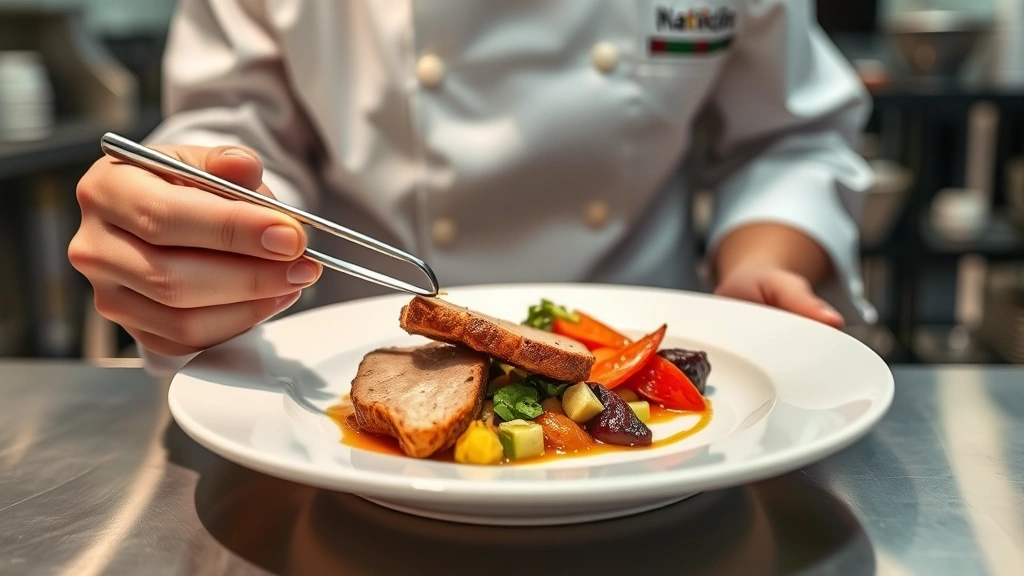
Protein-Focused Mains: Classic protein preparations remain popular because they’re reliable and impressive. Pan-seared duck breast with cherry gastrique, herb-crusted lamb with rosemary jus, or perfectly cooked filet mignon with béarnaise sauce showcase protein mastery. For seafood lovers, whole roasted branzino, lobster tail with brown butter, or halibut with beurre blanc deliver elegance without excessive complexity.
Vegetable-Forward Options: Contemporary dining increasingly features vegetables as main course stars rather than supporting players. Eggplant parmesan with fresh mozzarella, wild mushroom risotto with truffle oil, or roasted cauliflower steaks with romesco sauce satisfy vegetarian guests while impressing omnivores. These options often require less advance preparation than protein-heavy mains, reducing kitchen pressure during service.
Balanced Plate Composition: Professional plating follows the rule of thirds: protein occupies one-third of the plate, vegetables another third, and starch the final third. This visual balance creates appetite appeal and ensures nutritional completeness. A beef main might feature filet mignon, roasted root vegetables, and creamed potato purée, creating color contrast and textural variety.
Sauce Development: Sauces elevate mains from good to exceptional. Pan sauces made from deglazing the protein cooking vessel, beurre blanc created through emulsification, or complex reductions built from stock and aromatics separate home cooking from professional technique. Understanding sauce fundamentals through practice and study dramatically improves your culinary confidence.
Consider your guests’ dietary preferences when selecting mains. If serving multiple guests, offering a vegetarian option alongside your primary main demonstrates thoughtfulness and inclusivity. Many restaurants now feature equally impressive vegetarian and meat mains, recognizing that plant-based cuisine deserves equal culinary attention.
Dessert Finishing Touches
Dessert represents your final opportunity to impress, and neuroscience research confirms that meal memories are disproportionately influenced by the final course. Even if previous courses were merely adequate, an exceptional dessert elevates the entire experience in guests’ memories. Choose desserts that complement rather than repeat your main course flavors.
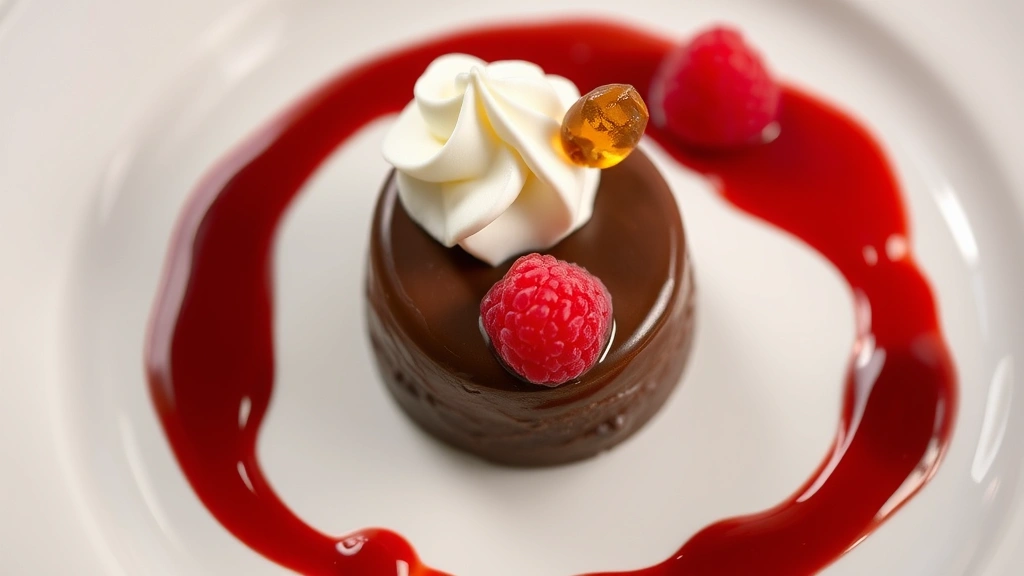
Chocolate Desserts: Chocolate remains the most universally appreciated dessert ingredient. A molten chocolate cake with vanilla ice cream, chocolate mousse with raspberry coulis, or dark chocolate tart with whipped cream and fresh berries never disappoint. These options range from simple assembly to moderately complex, accommodating various skill levels.
Fruit-Based Finales: Fresh fruit desserts offer refreshing contrast to heavier mains. Lemon posset with shortbread, strawberry pavlova with whipped cream, or peach tart with vanilla custard provide brightness and elegance. These options work particularly well after rich main courses, as they cleanse the palate without leaving guests feeling overstuffed.
Custard and Cream Desserts: Crème brûlée, panna cotta, and pastry cream-based desserts demonstrate classical technique while remaining achievable for home cooks. These options can be prepared entirely in advance, eliminating last-minute kitchen stress. The theatrical element of cracking crème brûlée tableside adds entertainment value to your service.
Frozen Treats: Sorbet, gelato, or granita provide palate-cleansing finales after substantial mains. A simple lemon sorbet with candied lemon peel, blood orange granita, or homemade vanilla gelato with fresh berries offers sophistication through ingredient quality rather than technical complexity. These options are particularly valuable in warm weather or after rich courses.
Pair dessert with appropriate beverages. Dessert wine, coffee, or tea complement sweet courses perfectly. Consider offering small digestive items like biscotti, petit fours, or chocolate truffles alongside dessert for a comprehensive finale that extends the dining experience gracefully.
Timing and Execution Strategies
Professional chefs emphasize that timing transforms adequate cooking into exceptional dining. Proper pacing allows conversation to flow naturally, prevents courses from arriving too rapidly, and ensures food reaches the table at optimal temperature. Most culinary professionals recommend 15-20 minutes between courses for intimate dinners, allowing adequate digestion and conversation time.
Advance Preparation: Successful three course meals depend heavily on mise en place—having all ingredients prepared before service begins. Chop vegetables, measure seasonings, and assemble components the day before or morning of your dinner. This preparation dramatically reduces kitchen stress and allows you to focus on cooking technique and guest interaction during service.
Course Timing Chart: Plan your cooking backward from desired dessert service time. If serving dessert at 8:30 PM, main courses should arrive by 8:00 PM, appetizers by 7:30 PM, and guests should be seated by 7:15 PM. This reverse-engineering approach ensures smooth progression and prevents courses from bunching uncomfortably close together.
Temperature Management: Cold courses require less active cooking during service, allowing you to focus on hot mains. Consider serving a cold appetizer soup, chilled first course salad, or room-temperature composed plate, then concentrate your cooking energy on the main course protein and vegetables. This strategic approach reduces simultaneous cooking demands.
Kitchen Organization: Arrange your workspace efficiently, grouping equipment and ingredients by course. Keep appetizer components separate from main course ingredients. This organization prevents mixing up components and reduces the mental load during service when stress naturally increases. Label prepared components clearly with timing notes.
Communicate with your guests about pacing. Explain that you’re building in time for conversation between courses. Most guests appreciate understanding the structure and feel included in your culinary intentions rather than wondering about delays.
Wine Pairing Fundamentals
Wine pairing elevates a three course meal from good to memorable, but the principles are simpler than wine culture often suggests. The fundamental rule: pair wines with courses in increasing body and complexity, starting light and finishing full-bodied. This progression prevents heavier wines from overwhelming delicate early courses while building toward climactic flavor experiences.
Appetizer Wines: Light, crisp wines complement first courses beautifully. Sauvignon Blanc, Albariño, or Prosecco work with most appetizers without overwhelming palates. These wines’ acidity stimulates appetite and pairs naturally with lighter preparations. Avoid heavy red wines for appetizers, as their tannins can clash with delicate flavors and create astringent sensations.
Main Course Wines: This course justifies your most substantial wine selection. Full-bodied reds like Bordeaux, Burgundy, or California Cabernet Sauvignon pair with beef and lamb beautifully. For lighter mains, white wines like Chardonnay or Pinot Grigio work excellently. Seafood mains pair well with white wines, though certain fish preparations work with lighter reds.
Dessert Wines: Sweet wines complement desserts without creating excessive sweetness. Port, Moscato, or ice wine pair naturally with chocolate and fruit desserts. Alternatively, serve coffee or tea instead of wine, honoring different guest preferences. Some contemporary restaurants skip dessert wine entirely, allowing dessert’s inherent sweetness to shine independently.
Purchase wines within your budget rather than stretching for prestigious labels. A $15-25 wine selected thoughtfully outperforms an expensive bottle chosen randomly. Wine shop employees can offer personalized recommendations when you describe your menu, providing expert guidance at no additional cost.
Common Hosting Mistakes to Avoid
Even experienced home cooks make hosting errors that undermine otherwise excellent meals. Understanding common pitfalls allows you to navigate them successfully, transforming potential disasters into learning opportunities.
Overcomplicated Menus: Ambition often leads home cooks to attempt overly complex three course menus featuring multiple components per course and advanced techniques. Choose recipes within your demonstrated skill level, allowing you to focus on execution excellence rather than struggling with unfamiliar techniques. A perfectly executed simple meal impresses far more than an ambitious meal executed poorly.
Inadequate Timing: Many hosts underestimate cooking times, resulting in courses arriving too quickly or guests waiting uncomfortably between courses. Always add 10-15 minutes buffer time to recipes, accounting for variables like oven temperature variations and ingredient differences. Undercooking is easily corrected; overcooking is irreversible.
Neglecting Dietary Restrictions: Always ask guests about allergies, vegetarian preferences, and religious dietary restrictions well in advance. Discovering dietary needs during service forces awkward last-minute accommodations. Building flexibility into your menu—offering vegetarian and meat mains, for example—demonstrates thoughtfulness and prevents embarrassing situations.
Excessive Alcohol Service: While wine enhances dining, excessive alcohol consumption interferes with conversation and food appreciation. Serve wine in measured amounts, offering water alongside every course. Pace wine service with course progression, allowing guests to enjoy food and conversation without becoming intoxicated.
Poor Plating Presentation: Food quality matters, but presentation dramatically influences perception. Professional chefs understand that we eat with our eyes first. Practice plating techniques before service day, arranging components thoughtfully rather than haphazardly. Simple, clean presentations impress more than overcrowded plates.
Ignoring Guest Comfort: Hosting excellence extends beyond food to guest comfort. Ensure adequate table space, comfortable seating, appropriate lighting, and pleasant background music. Temperature control matters—guests shouldn’t feel too hot or cold. These environmental factors profoundly influence dining enjoyment and create the atmosphere where food truly shines.
FAQ
How far in advance should I prepare a three course meal?
Prepare components in stages: make stocks and sauces 2-3 days ahead, chop vegetables and assemble mise en place the morning of service, and complete final cooking during the 30-60 minutes before guests arrive. This staged approach manages workload while ensuring fresh, optimal-quality dishes.
Can I prepare all three courses in advance?
Partially, yes. Appetizers and desserts are often fully prepared ahead. Main courses require last-minute protein cooking for optimal temperature and texture, though vegetables and starches can be partially cooked and finished during service. This hybrid approach balances convenience with quality.
What’s the ideal portion size for each course?
Appetizers: 2-3 ounces per person. Main courses: 4-6 ounces protein with 2-3 ounces vegetables and starch. Desserts: 2-3 ounces. These portions prevent excessive fullness while satisfying appetite across all three courses.
How do I handle guests with dietary restrictions?
Ask about restrictions when inviting guests. Prepare alternative main courses for vegetarians, offer substitutions for allergies, and respect religious dietary requirements. Many dietary accommodations enhance rather than complicate menus when planned thoughtfully.
What’s the minimum cooking skill level needed for a three course meal?
Anyone comfortable with basic cooking techniques can execute an impressive three course meal. Choose recipes matching your skill level, practice unfamiliar techniques beforehand, and focus on ingredient quality and proper timing rather than advanced techniques.
Should I serve palate cleansers between courses?
Palate cleansers—sorbet, lemon water, or light fruit—are optional but elegant touches between main courses in formal dining. For casual entertaining, conversation and water suffice. Include them if you enjoy the ritual; omit them for relaxed atmosphere.


