
Mastering Timpanogos Golf Course: Pro Insights & Strategy Guide
Timpanogos Golf Course stands as one of Utah’s premier golfing destinations, offering challenging fairways, strategic water hazards, and breathtaking mountain views that attract golfers of all skill levels. Located in the heart of Utah County, this championship-caliber course demands respect, precision, and a thorough understanding of its unique layout. Whether you’re a seasoned competitor or an ambitious amateur looking to improve your game, mastering Timpanogos requires more than just raw talent—it demands strategic planning, course knowledge, and consistent practice.
This comprehensive guide provides professional insights into playing Timpanogos Golf Course effectively. We’ll explore the course design philosophy, hole-by-hole strategies, and proven techniques used by experienced players to navigate its challenging terrain. By understanding the nuances of each section and implementing the strategies outlined here, you’ll develop the confidence and skill necessary to lower your scores and enjoy this exceptional course to its fullest.
Timpanogos Course Overview & Design
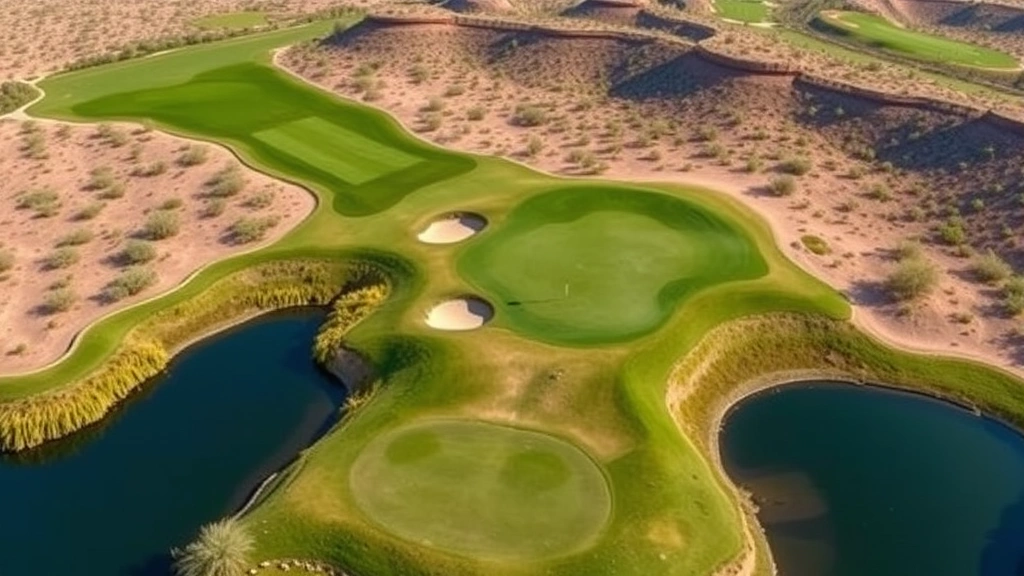
Timpanogos Golf Course exemplifies modern championship design with a par-72 layout spanning approximately 7,100 yards from the back tees. The course features multiple tee options, allowing golfers of varying abilities to enjoy the experience while still facing appropriate challenges. The design incorporates natural Utah landscape features, including native vegetation, dramatic elevation changes, and strategically positioned water features that demand respect and precision.
The course architects deliberately integrated the surrounding Wasatch Front terrain into the playing experience. This means understanding Timpanogos requires appreciating how elevation, wind patterns, and natural topography influence shot selection. Unlike flatter courses, Timpanogos demands constant adjustment to club selection and trajectory planning. Many holes feature elevated greens, requiring golfers to account for both distance and elevation gain when selecting clubs.
When comparing Timpanogos to other premier Utah courses, it consistently ranks among the most challenging and rewarding experiences. If you’re interested in exploring similar quality courses, our guide to top golf courses in the US provides valuable context for understanding championship design principles applied across the country.

Mastering the Front Nine Strategy
The front nine at Timpanogos sets the tone for your entire round. These opening holes establish rhythm, confidence, and course management patterns that carry through the back nine. Strategic execution on the front side directly impacts your mental approach and final score.
Holes 1-3: Building Confidence
The opening stretch presents a mix of challenges designed to test your fundamentals. Hole 1 typically plays as a moderate par 4, offering an opportunity to establish confidence with solid fundamentals. Focus on accurate tee placement rather than maximum distance. Many golfers make critical mistakes here by attempting aggressive lines that set up poor second shots. Conservative positioning off the tee creates better approach angles to the green.
Hole 2 often features water protection, demanding respect and club selection discipline. This is where course management begins in earnest. Evaluate the wind direction, your current confidence level, and the risk-reward ratio before committing to aggressive play. Professional players typically choose the safest route to par on early holes, building momentum rather than gambling.
Holes 4-6: Elevation & Distance Management
The middle front nine section usually incorporates significant elevation changes. These holes demand accurate distance assessment, accounting for both yardage and elevation gain. A 150-yard shot into an elevated green plays considerably longer—sometimes equivalent to 170+ yards on flat terrain. Invest time understanding how Timpanogos’ elevation affects club selection throughout your practice rounds.
Water hazards become more prominent in this section. Develop a system for evaluating water hazard positioning relative to your shot patterns. Conservative plays around water typically score better than aggressive attempts that result in penalty strokes.
Holes 7-9: Finishing Strong
The closing holes of the front nine present your final opportunity to build positive momentum before the back nine. These holes often feature the course’s most dramatic design elements. Execute disciplined course management, focusing on scoring pars rather than attempting birdies unless you’ve established clear confidence.
Understanding how professional players approach similar courses helps refine your strategy. Exploring Latah Creek Golf Course strategy guides provides comparative insights into managing challenging course designs.
Back Nine Tactics & Execution
The back nine at Timpanogos typically presents increased difficulty and complexity. These holes demand heightened focus, precise execution, and unwavering course management discipline. Your performance on the back nine ultimately determines your final score and competitive standing.
Mental Preparation for Back Nine Challenges
Approach the back nine with intentional mental preparation. Review your front nine performance, acknowledging both successful decisions and areas for improvement. Professional golfers use this transition period to refocus on fundamental principles rather than dwelling on specific shots. Develop a pre-back nine routine that reinforces your commitment to disciplined course management.
Strategic Positioning on Difficult Holes
Back nine holes often feature multiple hazards requiring layup strategies. Rather than viewing layups as defensive plays, professional competitors recognize layups as offensive strategies that position you for scoring opportunities. A perfectly executed layup creating a wedge approach often scores better than an aggressive attempt resulting in a hazard penalty.
Study each hole’s design philosophy. Architects typically provide strategic options—aggressive lines with higher risk-reward ratios, and conservative routes offering better margin for error. Your skill level, current confidence, course conditions, and competitive situation should determine which option you select.
Water Hazards: Navigation & Risk Management
Water hazards represent Timpanogos’ most prominent strategic elements. Successfully navigating water-protected holes requires understanding risk assessment, penalty implications, and alternative routing options.
Evaluating Water Hazard Positioning
Before each shot involving water, establish clear understanding of hazard location, depth, and relationship to your intended target. Many golfers underestimate water hazard distance or positioning, leading to unnecessary penalties. Use course markers, yardage guides, and on-course observation to develop accurate mental mapping of water feature locations.
Penalty Stroke Psychology
Recognize that one penalty stroke often costs two strokes total—the penalty itself plus the psychological impact affecting subsequent shots. Conservative plays that avoid water hazards typically produce better scoring than aggressive attempts that risk penalty consequences. Professional players accept occasional bogeys as preferable to double-bogeys resulting from hazard penalties.
Alternative Routing Strategies
Most holes with significant water hazards offer alternative routes avoiding water entirely. These routes may be longer or require different club selections, but they eliminate penalty risk. Evaluate whether aggressive water-crossing attempts truly offer scoring advantages compared to conservative alternative routing.
Reading Course Conditions & Seasonal Factors
Timpanogos conditions vary dramatically across seasons, requiring constant adjustment to club selection, shot trajectory, and course management strategy.
Seasonal Variations
Spring and fall conditions typically offer moderate temperatures and consistent course firmness. Summer rounds require early morning play to avoid excessive heat affecting both player performance and ball flight characteristics. Winter play, when available, demands understanding how cold temperatures reduce ball distance and affect green firmness.
Wind Pattern Recognition
Mountain valley courses like Timpanogos feature predictable wind patterns based on time of day and season. Morning winds typically flow differently than afternoon winds. Learning these patterns through repeated play provides significant scoring advantages. Professional players spend considerable time understanding local wind characteristics before important rounds.
Green Firmness & Moisture
Course maintenance directly impacts green conditions. Firm, fast greens require different approach strategies than soft, receptive greens. Observe how recent irrigation, rainfall, and temperature variations affect green speed and ball response. This information guides club selection and shot trajectory planning for approach shots.
Advanced Shot Selection Techniques
Professional success at Timpanogos depends on sophisticated shot selection matching course demands with your skill capabilities.
Club Selection Methodology
Develop a systematic approach to club selection accounting for elevation, wind, course conditions, and target positioning. Rather than selecting clubs based solely on yardage, professional players integrate multiple variables into decision-making. A shot that appears to require a 6-iron based on distance might actually demand a 5-iron when accounting for elevation gain and headwind conditions.
Trajectory Management
Different trajectory options suit different situations. Lower trajectory shots reduce wind impact and increase roll distance on firm greens. Higher trajectory shots improve stopping ability on soft greens and allow clearing of hazards. Develop versatility in trajectory control, enabling you to adjust shot shape and flight characteristics based on specific hole demands.
Target Selection & Precision
Rather than aiming directly at pins, professional players typically select target areas offering better margin for error. This approach reduces pressure while improving actual scoring. A shot landing 15 feet from the pin but positioned in a favorable location for your putting stroke often produces better results than a shot landing closer but in poor position.
Mental Game & Course Management
Golf success ultimately depends more on mental discipline than raw technical ability. Timpanogos demands exceptional course management and psychological resilience.
Emotional Regulation
Maintain consistent emotional baseline throughout your round, regardless of individual shot outcomes. Professional players recognize that emotional reactions to specific shots undermine subsequent performance. Develop pre-shot routines reinforcing calm, focused mental states. These routines provide psychological anchors during challenging moments.
Decision-Making Under Pressure
Pressure situations demand clear thinking and disciplined decision-making. Before each shot, ask yourself: “What’s my actual objective on this hole?” Often, the objective is simply making par, not attempting birdies. This clarity simplifies decision-making and reduces pressure-induced errors.
Resilience & Recovery
Inevitably, you’ll encounter poor shots or unfavorable outcomes. Professional approach to recovery involves accepting what happened, learning from it, and immediately refocusing on the next shot. Dwelling on previous mistakes undermines current performance. Develop mental strategies for rapid recovery and renewed focus.
Practice Drills for Timpanogos Success
Dedicated practice directly translates to improved on-course performance. Design your practice sessions specifically addressing Timpanogos demands.
Elevation-Adjusted Distance Practice
Practice shots from elevated positions to different targets, learning how elevation affects distance and trajectory. Create practice scenarios replicating Timpanogos elevation changes. This specialized practice builds confidence in club selection on the actual course.
Water Hazard Avoidance Drills
Execute practice shots deliberately avoiding water hazards positioned at varying distances. Develop accuracy and confidence in shot placement. These drills build the precision necessary for successful navigation of Timpanogos water features.
Course Management Simulations
Play practice rounds with specific course management objectives. For example, practice rounds where you deliberately avoid all aggressive plays, focusing exclusively on conservative course management. Alternate with rounds emphasizing aggressive play on appropriate holes. This develops flexibility in tactical approach.
Mental Game Practice
Include mental training in your practice sessions. Develop pre-shot routines, practice emotional regulation techniques, and simulate pressure situations during practice. Professional players invest significant practice time in mental skills alongside technical development.
For additional insights into course management and professional development, explore our guide to PGA West Pete Dye Mountain Course, which offers comparable championship design principles.
FAQ
What is the best time of year to play Timpanogos Golf Course?
Spring and fall typically offer ideal conditions with moderate temperatures and consistent course firmness. Summer requires early morning play to manage heat, while winter play depends on course maintenance and weather conditions. Consider your personal preferences and skill level when selecting playing seasons.
How should I adjust my strategy for different skill levels?
Beginner golfers should focus on conservative course management, avoiding aggressive plays around water hazards. Intermediate players can selectively attempt aggressive shots on holes matching their capabilities. Advanced players possess the technical skills for more aggressive strategy implementation. Regardless of skill level, disciplined course management produces better results than attempting shots exceeding your consistent capabilities.
What’s the most important factor for scoring success at Timpanogos?
Course management discipline significantly impacts scoring more than any single technical factor. Conservative plays avoiding hazard penalties typically produce better scores than aggressive attempts. Combine disciplined course management with solid fundamentals for optimal results.
How do elevation changes affect club selection?
Elevation gain requires selecting longer clubs than flat terrain would suggest. As a general rule, add one club length for every 50 feet of elevation gain. Elevation loss allows selecting shorter clubs. Wind direction compounds elevation effects. Practice extensively to develop accurate distance assessment accounting for elevation.
What practice should I prioritize before playing Timpanogos?
Prioritize elevation-adjusted distance practice, water hazard navigation drills, and mental game development. These areas directly address Timpanogos’ primary challenges. Include course management simulations replicating actual playing conditions and decision-making scenarios.
How does wind affect strategy at Timpanogos?
Wind significantly impacts both distance and trajectory. Headwinds reduce distance and increase ball flight trajectory. Tailwinds increase distance and reduce trajectory. Crosswinds affect ball flight direction. Learn Timpanogos’ typical wind patterns across different times of day and seasons. Adjust club selection and target positioning based on current wind conditions.
Should I always attempt aggressive plays on par 5s?
Not necessarily. Aggressive plays on par 5s make sense only when you possess the technical capability and course conditions support aggressive strategy. Conservative approaches to par 5s—reaching the green in three shots—often score as well as aggressive attempts resulting in penalty strokes. Evaluate risk-reward ratios objectively rather than defaulting to aggressive play.
How important is local course knowledge?
Local course knowledge provides substantial advantages. Understanding typical wind patterns, green speed variations, hazard positioning, and optimal routing develops through repeated play. If possible, play multiple rounds at Timpanogos before important competitions. Each round builds knowledge that improves subsequent performance.


