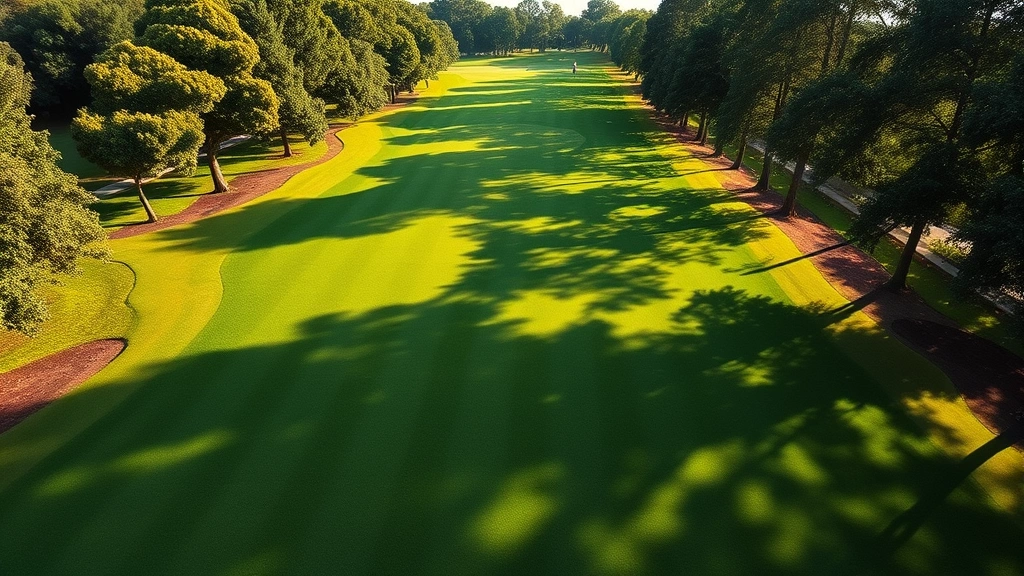
The United States is home to some of the world’s most prestigious and challenging golf courses, attracting players of all skill levels and golf enthusiasts from across the globe. From the windswept links of the Pacific Northwest to the manicured fairways of championship venues, America’s top 100 golf courses represent the pinnacle of course design, maintenance, and golfing experience. Whether you’re a serious competitor, a casual weekend golfer, or someone exploring golf courses for sale as a potential investment, understanding what makes these courses exceptional is essential.
This comprehensive guide explores the characteristics, locations, and significance of America’s top-ranked golf courses. We’ll examine what golf course rating systems consider, highlight courses across different regions, and provide insights into the design principles that make these venues world-class. Whether you’re planning your next golf vacation or simply curious about the sport’s most celebrated venues, this expert review will help you understand why these courses consistently rank among the best in the nation.

Understanding Golf Course Rankings and Ratings
Golf course rankings are determined through a combination of objective and subjective criteria evaluated by golf industry experts, professional organizations, and media publications. The most recognized ranking systems include Golf Digest’s “America’s 100 Greatest Golf Courses,” Golfweek’s rankings, and the Golf Course Superintendents Association of America standards. These organizations assess courses based on design quality, conditioning, challenge level, and overall player experience.
Several key factors influence a course’s ranking. Course design excellence considers the architect’s vision, strategic routing, and how well the layout uses natural terrain and features. Conditioning and maintenance standards examine fairway health, green quality, bunker presentation, and overall aesthetic appeal. Challenge and playability assess how the course accommodates different skill levels while maintaining strategic interest. Historic significance and prestige also play important roles, particularly for courses that have hosted major championships or maintained excellence over decades.
Understanding these criteria helps golfers appreciate why certain courses achieve top rankings. A course might feature challenging hazards and tight fairways, or it might prioritize accessibility while maintaining sophisticated design elements. The best courses in America typically excel across all these dimensions, offering exceptional experiences regardless of player handicap.

Northeast Region Championship Courses
The Northeast United States boasts some of golf’s most historic and prestigious courses, many dating back to the early 20th century. This region is home to numerous courses that have hosted major championships and consistently appear in national top 100 rankings. The Northeast’s cool climate, rolling terrain, and established golf traditions create ideal conditions for championship-caliber courses.
Pine Valley Golf Club in New Jersey remains one of the most exclusive and highly-regarded courses in the world. Its challenging design, pristine conditioning, and limited membership create an experience that serious golfers consider the ultimate test. Merion Golf Club in Pennsylvania has hosted multiple U.S. Opens and continues to maintain championship standards. Winged Foot Golf Club in New York is another legendary venue that combines architectural excellence with tournament pedigree.
The region also features courses like Oakmont Country Club near Pittsburgh, which is known for its lightning-fast greens and demanding layout. Shinnecock Hills on Long Island hosted the U.S. Open multiple times and features authentic links-style golf reminiscent of Scottish courses. These Northeast courses share common characteristics: meticulous maintenance, strategic design that rewards shot-making, and an emphasis on traditional golf values that have endured for over a century.
For those exploring Northwest golf course opportunities or considering relocation, the Northeast’s established golf culture and course density offer substantial advantages. The region’s courses attract serious golfers willing to travel and invest in quality golfing experiences.
Southeast’s Premier Golf Destinations
The Southeast has emerged as a major golf destination, featuring courses that combine championship design with accessibility and year-round playability. Georgia, Florida, and the Carolinas host numerous courses that compete for top 100 rankings, with several achieving consistent recognition.
Augusta National Golf Club in Georgia is arguably the most famous golf course in the world, home to the Masters Tournament since 1934. While private and extremely exclusive, its architectural genius and pristine conditioning set standards for the entire industry. The course’s azalea-lined fairways and undulating greens create a unique aesthetic that golfers immediately recognize.
Courses like Harbour Town Golf Links in South Carolina, designed by Pete Dye, feature the distinctive railroad-tie bulkheads and strategic bunkering that define Dye’s style. The Ocean Course at Kiawah Island offers dramatic oceanfront views and challenging conditions. Spyglass Hill in California and similar resort-style courses in the Southeast provide high-quality experiences for traveling golfers.
The Southeast’s warm climate allows courses to feature lush conditioning year-round, and many courses here have successfully integrated challenging designs with playability for multiple skill levels. This region particularly benefits from strong golf tourism infrastructure, making it accessible for visitors seeking top-quality courses. Coral Creek Golf Course represents the type of quality venue that defines Southeast golf culture.
Midwest Hidden Gems and Classics
The Midwest contains numerous top-ranked courses that sometimes receive less national attention than their Northeast and Southeast counterparts, yet offer exceptional design and conditioning. States like Illinois, Ohio, Michigan, and Wisconsin host courses that consistently rank among America’s greatest.
Olympia Fields Country Club near Chicago has hosted multiple U.S. Opens and features classic design principles with exceptional conditioning. Inverness Club in Toledo, Ohio is another championship venue with historic significance. The Midwest’s courses often emphasize traditional design, with emphasis on strategic bunkering and green complexes that reward thoughtful shot selection.
Sand Valley Golf Resort in Wisconsin represents modern course design excellence, featuring multiple championship-caliber courses on the same property. Crystal Downs Country Club in Michigan showcases the architectural brilliance of A.W. Tillinghast, one of golf’s greatest designers. These courses benefit from the region’s natural terrain, which often includes rolling hills and native vegetation.
Midwest courses typically offer better value and greater accessibility than their counterparts in other regions, making them excellent destinations for golfers seeking top-quality experiences without the premium price tags or exclusive membership requirements. The region’s strong golf tradition and course maintenance standards ensure consistent excellence.
Southwest Desert Layouts
The Southwest has developed a distinctive golf culture featuring courses that showcase desert landscapes and innovative design adaptations to arid climates. Arizona and Nevada courses have achieved national recognition through creative design that incorporates natural desert features while maintaining playability.
Courses in the Phoenix area, such as those at top resorts, feature dramatic elevation changes, native desert vegetation, and strategic water hazards that create visually stunning layouts. The desert setting allows architects to design courses with more dramatic carries and wider sight lines compared to courses in wooded regions. Desert conditioning requires sophisticated irrigation systems, and top Southwest courses maintain fairway and green quality comparable to eastern courses despite challenging climate conditions.
The region’s courses often feature native desert plants, rock formations, and natural washes that serve as both aesthetic features and strategic hazards. This creates unique golfing experiences distinct from traditional American courses. The Southwest’s year-round warm climate enables consistent play, making the region popular for winter golf vacations and golf schools.
Pacific Northwest and Coastal Excellence
The Pacific Northwest and California coast host courses that combine dramatic natural settings with championship design. This region includes some of America’s most visually spectacular courses, with many featuring oceanfront or mountain views that enhance the playing experience.
Pebble Beach Golf Links in California is perhaps the most famous public-access course in America, consistently ranking among the world’s best. Its dramatic clifftop setting overlooking the Pacific Ocean, combined with strategic design by Jack Neville, creates an unforgettable experience. Nearby courses like Spyglass Hill and Spanish Bay provide additional championship-caliber options in the same region.
The Northwest golf course landscape features venues like Bandon Dunes in Oregon, which showcases links-style golf with dramatic coastal views. These courses emphasize natural beauty while maintaining championship standards. The Pacific region’s lush vegetation and dramatic topography provide exceptional design opportunities.
Courses in this region benefit from natural beauty that enhances the playing experience, though weather conditions can be variable. Many courses feature strategic design that requires precise shot placement and rewards skillful play. The combination of aesthetic appeal and challenging design makes Pacific courses particularly popular with serious golfers and tourists seeking memorable experiences.
For those interested in Riverside golf course redevelopment proposal concepts, the Pacific Northwest provides excellent examples of how natural features can be integrated with modern course design and sustainability principles.
Course Design Elements That Define Excellence
Top 100 golf courses share specific design characteristics that distinguish them from average venues. Understanding these elements helps golfers appreciate why certain courses achieve and maintain elite status.
Strategic bunkering represents one of the most important design elements. The best courses use bunkers not merely as hazards but as strategic features that guide player decision-making. Well-positioned bunkers reward accurate shots while penalizing poor ones, creating strategic interest that engages golfers throughout their round.
Green complexity is another defining characteristic. Championship greens feature subtle contours and slopes that create multiple pin positions with varying difficulty levels. The best greens challenge skilled players while remaining playable for higher-handicap golfers when pin positions are forward. This balance allows courses to accommodate diverse skill levels while maintaining championship standards.
Fairway design in top courses emphasizes strategic routing rather than simply creating narrow corridors. The best courses offer options for different playing styles while penalizing poor shots. Fairway shaping, width variation, and hazard placement create decision points that reward thoughtful course management.
Natural feature integration distinguishes great courses from merely good ones. The best designers work with natural terrain, water features, vegetation, and topography rather than against them. This approach creates courses that feel native to their locations while minimizing environmental impact.
Conditioning excellence requires sophisticated maintenance programs, adequate staffing, and investment in equipment and technology. Top courses maintain grass health, bunker quality, and overall aesthetics at levels that exceed typical standards. This commitment to maintenance represents one of the most significant ongoing investments required to maintain elite status.
Planning Your Golf Course Visit
Playing one of America’s top 100 golf courses requires planning, as many courses restrict access through membership requirements or exclusive policies. However, numerous strategies can help golfers experience championship venues.
Public-access courses like Pebble Beach, Spyglass Hill, and Bandon Dunes welcome daily-fee golfers, though rates are typically premium. These courses offer the most direct path to experiencing top-ranked venues, though advance reservations and substantial green fees are required.
Resort courses often rank among the nation’s best while remaining accessible to hotel guests. Many top resorts feature multiple championship courses, allowing golfers to experience several elite venues during a single trip. Golf packages often provide better value than individual green fees.
Membership opportunities vary widely among top courses. Some offer full membership with initiation fees and annual dues, while others provide limited-play memberships, corporate memberships, or guest privileges. Understanding membership options is essential for golfers seeking frequent access.
Guest privileges represent another pathway, as many private clubs allow members to bring guests. Developing relationships with club members or inquiring about guest policies can provide access to courses otherwise closed to public play.
When planning courses to visit, consider your skill level, travel schedule, and budget. PCC courses and my courses GGC resources can help identify courses matching your preferences and accessibility requirements.
FAQ
What makes a golf course rank in the top 100?
Top 100 courses typically feature championship-level design, meticulous conditioning, strategic challenge, and often historic significance. Ranking organizations evaluate design quality, maintenance standards, player experience, and consistency over time. Most top-ranked courses have hosted major championships or consistently received recognition from golf publications and industry experts.
Can I play top 100 courses as a public golfer?
Yes, though options vary. Public-access courses like Pebble Beach and Bandon Dunes welcome daily-fee players. Many resort courses rank highly while remaining open to hotel guests. Some private courses occasionally allow public play through specific programs. Research each course’s access policies and plan accordingly.
How much does it cost to play a top 100 course?
Green fees vary dramatically. Public courses range from $150-$500+, with Pebble Beach among the most expensive. Resort courses typically charge $200-$400. Private courses require membership. Many courses offer twilight rates or off-season discounts that reduce costs.
Which region has the most top 100 courses?
The Northeast and California coast concentrate numerous top-ranked courses, though excellent courses exist nationwide. The Southeast has developed significantly as a golf destination with many highly-ranked venues. The Midwest and Southwest also feature multiple top 100 courses offering excellent value and accessibility.
What’s the difference between championship and resort courses?
Championship courses prioritize challenging design and tournament standards, often with restricted access and higher fees. Resort courses balance challenge with playability and accessibility, welcoming golfers of varying skill levels. Both can rank among the nation’s best; the distinction relates more to accessibility and philosophy than quality.
How often are course rankings updated?
Major publications update rankings periodically, typically every few years. Rankings may shift based on course renovations, conditioning changes, or new courses achieving prominence. Historical rankings provide useful perspectives, though current rankings better reflect each course’s present condition and standing.


