
Master Truck Dispatching? Expert Insights Here!
Truck dispatching has become one of the most sought-after skills in the logistics and transportation industry. Whether you’re looking to launch a new career or advance your professional qualifications, a comprehensive truck dispatching course can provide the knowledge and credentials you need to succeed. This guide explores everything you need to know about mastering this essential field, from foundational concepts to advanced strategies used by industry leaders.
The transportation sector continues to grow, with demand for skilled dispatchers reaching all-time highs. Companies across North America are investing heavily in training programs because effective dispatching directly impacts operational efficiency, customer satisfaction, and profitability. Understanding the nuances of route optimization, driver management, regulatory compliance, and technology systems has never been more important for professionals in this field.
Whether you’re completely new to logistics or seeking to formalize your existing experience through structured education, the right training can transform your career trajectory. This comprehensive resource breaks down what you’ll learn, how to choose the best program, and what success looks like in the truck dispatching industry.

What Is Truck Dispatching and Why It Matters
Truck dispatching is the operational backbone of any transportation company. Dispatchers serve as the critical link between customers, drivers, and management, coordinating the movement of vehicles and cargo with precision and efficiency. A skilled dispatcher ensures that loads are assigned appropriately, routes are optimized for time and fuel efficiency, and drivers have all necessary information to complete their deliveries safely and on schedule.
The role has evolved significantly over the past decade. Modern dispatchers must juggle real-time tracking, weather considerations, traffic patterns, vehicle maintenance schedules, driver hours-of-service regulations, and customer demands simultaneously. This complexity explains why companies are willing to invest in quality professional development opportunities for their dispatch teams—the stakes are simply too high for trial-and-error management.
Understanding truck dispatching means recognizing its impact on three critical business areas: cost management, customer service, and safety. Inefficient dispatching can result in wasted fuel, missed delivery windows, unhappy customers, and increased accident risk. Conversely, excellent dispatching reduces operational costs, builds customer loyalty, and creates a safer working environment for drivers.
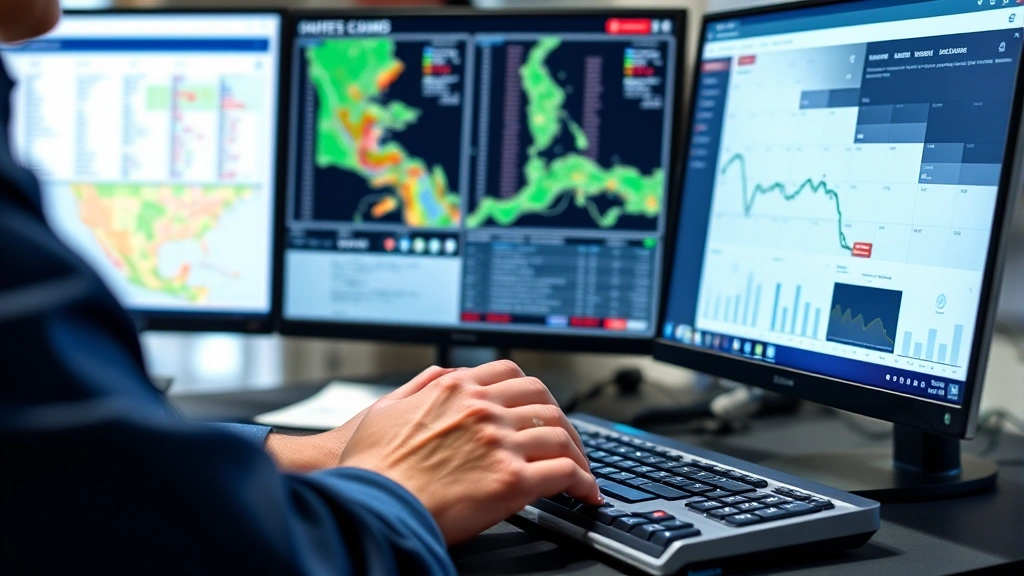
Core Skills You’ll Master in a Dispatching Course
A quality truck dispatching course covers far more than simply assigning routes. The best programs teach a comprehensive skill set that addresses the multifaceted nature of modern transportation logistics.
Route Planning and Optimization forms the foundation of effective dispatching. You’ll learn how to analyze multiple variables—distance, delivery windows, vehicle capacity, traffic patterns, and driver preferences—to create efficient routes that minimize costs while meeting customer expectations. This involves understanding geographic data, reading maps, and using optimization software to solve complex logistical puzzles.
Driver Management and Communication is equally crucial. Dispatchers must maintain clear, professional communication with drivers throughout their shifts, providing real-time guidance, handling emergencies, and ensuring compliance with regulations. You’ll develop strategies for motivating drivers, handling difficult situations, and building trust within your team. Effective communication directly impacts driver retention, safety, and customer satisfaction.
Load Planning and Freight Management requires understanding how different cargo types must be handled. You’ll learn weight distribution principles, securing techniques, hazardous materials regulations, and how to match loads to appropriate vehicles and drivers. This knowledge prevents costly mistakes and ensures legal compliance across all shipments.
Customer Service Excellence distinguishes exceptional dispatchers from average ones. You’ll master how to handle customer inquiries, manage expectations, provide accurate delivery estimates, and resolve disputes professionally. Many dispatchers spend significant time on the phone with clients, making interpersonal skills absolutely essential.
Data Analysis and Reporting has become increasingly important in modern dispatching. You’ll learn how to track key performance indicators, analyze operational metrics, identify efficiency improvements, and prepare reports for management. This analytical capability allows you to contribute to strategic decision-making beyond day-to-day operations.
Technology and Software Fundamentals
Modern truck dispatching is inseparable from technology. Contemporary professional courses dedicate substantial time to the software platforms that dispatchers use daily.
Dispatch Management Software is the central tool of the trade. Leading platforms like Samsara, Verizon Connect, and Geotab provide real-time vehicle tracking, automated dispatch assignment, route optimization, and driver communication capabilities. A comprehensive course will provide hands-on experience with industry-standard software, teaching you not just how to use features, but how to leverage them strategically for maximum efficiency.
GPS and Fleet Tracking Systems enable dispatchers to monitor vehicle locations in real-time, respond to emergencies quickly, and verify that drivers are following assigned routes. Understanding how to interpret tracking data, set geofences, and use alerts helps you maintain control and visibility across your entire fleet.
Communication Platforms have evolved beyond traditional radio systems. Modern dispatchers use integrated messaging apps, mobile platforms, and voice systems that allow seamless two-way communication with drivers. You’ll learn which tools work best for different situations and how to maintain clear, professional communication channels.
Telematics and Vehicle Diagnostics provide valuable insights into vehicle performance, driver behavior, and maintenance needs. Learning to interpret this data helps you prevent breakdowns, identify coaching opportunities for drivers, and plan preventive maintenance more effectively.
Regulatory Compliance and Legal Requirements
The transportation industry operates under a complex web of federal, state, and local regulations. Dispatchers must understand these rules to keep their companies compliant and avoid costly penalties.
Hours of Service (HOS) Regulations are among the most critical rules dispatchers must know. The Federal Motor Carrier Safety Administration (FMCSA) strictly limits how many hours drivers can work consecutively and requires specific rest periods. Violating HOS rules can result in fines, driver disqualification, and company liability. A thorough truck dispatching course teaches you to plan loads and routes while maintaining strict HOS compliance.
Hazardous Materials Regulations apply to any company transporting dangerous goods. You’ll learn classification systems, packaging requirements, documentation standards, and special handling procedures. This knowledge is essential for safety and legal compliance, as violations can have serious consequences.
Vehicle Safety Standards require that all trucks meet specific maintenance and inspection requirements. Dispatchers must understand these standards and coordinate with maintenance teams to ensure vehicles are roadworthy before assignment. Many courses cover the commercial vehicle inspection process and what dispatchers should know about vehicle fitness.
Record Keeping and Documentation are fundamental to regulatory compliance. You’ll learn what records must be maintained, how long they must be kept, and how to organize documentation for audits or inspections. Proper documentation protects your company and provides valuable operational data.
Choosing the Right Training Program
Not all truck dispatching courses are created equal. Here’s what to look for when selecting a program:
- Industry Recognition: Look for courses offered by established organizations like the Owner-Operator Independent Drivers Association (OOIDA) or accredited training providers. Recognition from industry bodies adds credibility to your certification.
- Comprehensive Curriculum: Ensure the course covers all major topics—dispatch software, regulations, route planning, customer service, and technology systems. Avoid programs that focus narrowly on just one aspect.
- Hands-On Training: The best courses include practical experience with actual dispatch software platforms. You should graduate with real-world skills, not just theoretical knowledge.
- Current Content: Regulations, technology, and best practices evolve constantly. Choose programs that are regularly updated to reflect current industry standards and software versions.
- Instructor Expertise: Instructors should have genuine dispatching experience, not just training credentials. Their real-world insights add tremendous value to your learning.
- Career Support: Look for programs that offer job placement assistance, resume help, or connections to employers. The best courses help you transition into actual positions.
- Flexible Scheduling: Whether you prefer online learning, in-person classes, or hybrid formats, choose a program that fits your lifestyle and learning preferences.
Many reputable programs offer FMCSA-aligned content that ensures your training meets federal standards. This alignment is particularly valuable if you plan to work for larger carriers that have strict training requirements.
Career Advancement and Earning Potential
Completing a truck dispatching course opens multiple career pathways with solid earning potential. Entry-level dispatchers typically earn between $28,000 and $35,000 annually, with experienced professionals commanding $40,000 to $55,000 or more. This represents solid middle-class income with room for advancement.
Career Progression typically moves from dispatcher to senior dispatcher, then to dispatch supervisor or manager. Each step increases responsibilities and compensation. Some dispatchers transition into operations management, logistics coordination, or business ownership. The skills learned in a dispatch course form a foundation for these advancement opportunities.
Specialization Opportunities can also increase earning potential. Specializing in hazardous materials, intermodal transportation, or specific industries like flatbed or refrigerated transport often commands higher compensation due to the additional expertise required.
Entrepreneurship Potential: Many successful dispatchers eventually launch their own trucking companies or dispatch services. The intimate knowledge you gain about operational efficiency, customer relationships, and regulatory requirements directly supports entrepreneurial ventures.
Job Stability: The transportation industry faces ongoing driver shortages and capacity constraints, creating strong demand for skilled dispatchers. This consistent demand provides excellent job security for qualified professionals. Unlike many industries affected by automation, dispatching remains fundamentally dependent on human judgment, decision-making, and problem-solving.
Remote Work Opportunities: Modern dispatching increasingly allows remote work arrangements. Many companies now hire dispatchers to work from home, using cloud-based software and communication systems. This flexibility has expanded the geographic reach of available positions and improved work-life balance for many dispatchers.
The investment in a quality truck dispatching course typically pays for itself within the first year through increased earning potential compared to non-certified dispatchers. Over a career spanning decades, the financial impact of proper training is substantial.
FAQ
How long does a truck dispatching course typically take?
Most comprehensive truck dispatching courses take between 4 to 12 weeks to complete, depending on whether you’re studying full-time or part-time. Some intensive programs can be completed in 2-3 weeks, while others may extend to several months. Online courses offer flexibility to complete training around existing work schedules, making them popular with career-changers.
Do I need previous transportation or logistics experience?
No prior experience is required for most truck dispatching courses. Quality programs are designed for complete beginners and teach all necessary foundational knowledge. However, if you have any background in customer service, operations, or even roles like those at event coordination, you’ll find the transition easier since similar organizational skills apply.
What certifications should I pursue?
The most valuable certifications include the Certified Dispatcher credential offered by various training organizations and FMCSA certifications for hazardous materials. Some companies also value certifications in specific dispatch software platforms. Research what certifications employers in your target region prefer.
Can I take a truck dispatching course online?
Yes, many reputable programs offer fully online or hybrid courses. Online training provides flexibility and often costs less than in-person programs. However, ensure any online course includes hands-on practice with actual dispatch software, not just video lectures. The best online programs combine self-paced learning with live instructor support.
What is the job outlook for truck dispatchers?
The job outlook is positive. According to the U.S. Bureau of Labor Statistics, dispatcher positions are expected to remain stable with steady demand driven by e-commerce growth and logistics expansion. Skilled, certified dispatchers have better job security and advancement opportunities than non-certified candidates.
How much does a truck dispatching course cost?
Costs vary widely, from $500 for basic online courses to $3,000+ for comprehensive programs with hands-on training and job placement assistance. Many community colleges offer affordable options, while specialized training companies may charge premium rates. Some employers offer tuition reimbursement or sponsorship for employees pursuing dispatch certification.
Will the course teach me about specific dispatch software?
Quality courses teach you the principles of dispatch software and provide hands-on experience with industry-standard platforms. However, software systems vary by company. The foundational knowledge you gain transfers across platforms, so you can quickly learn any system your employer uses. Look for courses that offer training on popular platforms like Samsara or Geotab.


