
What Courses Does WMU Offer? Academic Guide
Western Michigan University (WMU) stands as a comprehensive institution offering diverse academic programs across multiple colleges and schools. Students seeking to understand WMU’s course offerings will discover a rich landscape of educational opportunities spanning engineering, business, education, arts and sciences, and aviation. This academic guide explores the breadth of courses available, helping prospective and current students navigate their educational pathways effectively.
WMU’s commitment to academic excellence means that course offerings continuously evolve to meet industry demands and student needs. Whether you’re interested in traditional undergraduate programs, graduate studies, or specialized certifications, WMU provides structured pathways designed by experienced faculty and industry experts. Understanding the full range of available courses enables students to make informed decisions about their academic careers.
College of Engineering and Applied Sciences
The College of Engineering and Applied Sciences at WMU offers comprehensive coursework in mechanical engineering, electrical engineering, civil engineering, chemical engineering, and manufacturing engineering. Students enrolled in these programs engage with both theoretical foundations and practical applications through laboratory work and capstone projects.
Engineering courses at WMU emphasize hands-on learning and industry preparation. Mechanical engineering students study thermodynamics, fluid mechanics, materials science, and machine design. Electrical engineering coursework covers circuit analysis, electromagnetic theory, digital systems, and power systems. Civil engineering programs include structural analysis, geotechnical engineering, water resources, and transportation engineering courses.
The college also offers specialized programs in paper engineering and chemical engineering, distinguishing WMU as a unique educational institution. Students benefit from modern facilities, state-of-the-art laboratories, and faculty with extensive industry experience. Additionally, students interested in continuing their education can explore online courses for continuing education to supplement their engineering credentials.
Beyond core engineering disciplines, the college offers courses in engineering management, quality assurance, and sustainability. These interdisciplinary offerings prepare graduates for leadership roles in engineering fields. Students can also pursue minors and certificates that complement their major programs.
Haworth College of Business
The Haworth College of Business provides extensive course offerings in accounting, finance, marketing, management, supply chain management, and business analytics. The curriculum balances theoretical knowledge with practical business applications, preparing students for dynamic corporate environments.
Accounting courses cover financial accounting, managerial accounting, auditing, taxation, and forensic accounting. Finance students study corporate finance, investment analysis, financial markets, and risk management. Marketing courses explore consumer behavior, digital marketing, strategic marketing, and market research methodologies.
Management programs at WMU include organizational behavior, human resource management, strategic management, and entrepreneurship. The college emphasizes developing business leadership skills through case studies, simulations, and real-world projects. Supply chain management courses address logistics, procurement, operations management, and global supply chain optimization.
Business analytics has become increasingly important, and WMU offers dedicated courses in data analysis, business intelligence, statistical modeling, and predictive analytics. These technical skills prepare graduates for roles in data-driven organizations. The college also provides business communication courses essential for professional success.
College of Education and Human Development
WMU’s College of Education and Human Development offers teacher preparation programs, educational leadership courses, and human services education. The college serves future educators, school administrators, and educational professionals through comprehensive academic preparation.
Teacher education programs cover elementary education, secondary education, special education, and early childhood education. Coursework includes educational psychology, curriculum development, assessment and evaluation, and instructional design. Students complete content-specific courses in their teaching subject areas alongside pedagogical training.
Educational leadership programs prepare students for administrative roles through courses in school law, finance, organizational leadership, and policy analysis. Students pursuing educational leadership degrees engage with contemporary challenges in K-12 and higher education administration.
The college also offers courses in counseling, student affairs, higher education administration, and educational research. These programs support professionals working in various educational settings beyond traditional classroom teaching. Specialized courses address topics like inclusive education, culturally responsive teaching, and technology integration in learning environments.
College of Arts and Sciences
The College of Arts and Sciences represents WMU’s largest college, offering courses across humanities, natural sciences, social sciences, and mathematics. This diverse academic unit provides foundational general education courses and specialized upper-level study.
Science courses span biology, chemistry, physics, and earth sciences, with laboratory components ensuring hands-on learning. Mathematics offerings range from developmental coursework through advanced calculus, linear algebra, differential equations, and abstract algebra. Physics courses cover mechanics, electricity and magnetism, thermodynamics, and modern physics.
Humanities courses include literature, history, philosophy, languages, and communication studies. Students can pursue degrees in English, history, modern languages, or classical studies. Literature courses examine diverse cultural traditions and literary movements spanning centuries.
Social sciences offerings encompass psychology, sociology, anthropology, political science, and economics. Psychology courses address developmental psychology, abnormal psychology, cognitive psychology, and social psychology. Sociology and anthropology courses explore human societies, cultural patterns, and social structures across various contexts.
The college supports interdisciplinary learning approaches through integrated programs combining multiple disciplines. Students benefit from research opportunities, internships, and community engagement activities integrated throughout their coursework.
College of Aviation
WMU’s College of Aviation offers specialized aviation programs including professional pilot training, aircraft maintenance engineering, aviation management, and aviation safety. The college operates its own airport and maintains a modern fleet for flight training.
Professional pilot courses progress from private pilot through commercial pilot and airline transport pilot ratings. Flight training combines classroom instruction with practical flying experience. Students study aerodynamics, aircraft systems, navigation, meteorology, and aircraft performance.
Aircraft maintenance engineering programs prepare technicians for FAA certification. Coursework covers aircraft structures, powerplants, avionics, and maintenance procedures. Students develop skills in aircraft inspection, troubleshooting, and repair through hands-on laboratory work.
Aviation management courses address airline operations, airport management, aviation finance, and industry regulations. Aviation safety courses examine accident investigation, risk management, and safety protocols. These programs prepare professionals for diverse careers in the aviation industry.
Graduate Programs and Advanced Degrees
WMU offers extensive graduate programs including master’s degrees, doctoral programs, and graduate certificates across multiple colleges. Graduate coursework emphasizes advanced theory, research methodologies, and specialized expertise development.
Master’s programs span business administration (MBA), engineering disciplines, education, and arts and sciences. MBA coursework covers advanced management, strategic planning, and business research. Engineering master’s programs allow specialization in specific technical areas with thesis or non-thesis options.
Doctoral programs in engineering, education, and select arts and sciences fields prepare students for research and academic careers. Doctoral coursework combines advanced seminars, research methodology, and dissertation work. Students gain mentorship from faculty experts in their specialized fields.
Graduate certificates provide focused study in specific areas without requiring full degree completion. These certificates serve professionals seeking skill development or career advancement. Options include certificates in various business specializations, educational areas, and technical fields.
Graduate students benefit from assistantship opportunities, research funding, and professional development support. The graduate experience emphasizes scholarly contribution and preparation for advanced professional roles. WMU’s graduate programs maintain rigorous academic standards and comprehensive student support services.
Online and Distance Learning Options
WMU offers online and hybrid courses across multiple colleges, enabling flexible learning for students with work and family commitments. Online course delivery maintains academic rigor while providing schedule flexibility and accessibility benefits.
Online degree programs include master’s degrees in business, education, and engineering fields. These programs utilize learning management systems, virtual classrooms, and asynchronous discussion forums. Students interact with faculty and peers through digital platforms while completing coursework on flexible schedules.
Hybrid courses combine online and face-to-face components, offering flexibility while maintaining in-person interaction benefits. Many undergraduate and graduate programs offer hybrid course options. This format accommodates diverse learning preferences and life circumstances.
WMU’s online learning infrastructure supports student success through technical support, digital libraries, and online tutoring services. Courses emphasize active learning through discussions, projects, and collaborative activities. Students develop self-directed learning skills essential for professional development.
Continuing education offerings through WMU support professional development and skill enhancement. These non-degree courses address current workforce needs and emerging fields. Professionals can pursue specific skill development without full degree commitments.
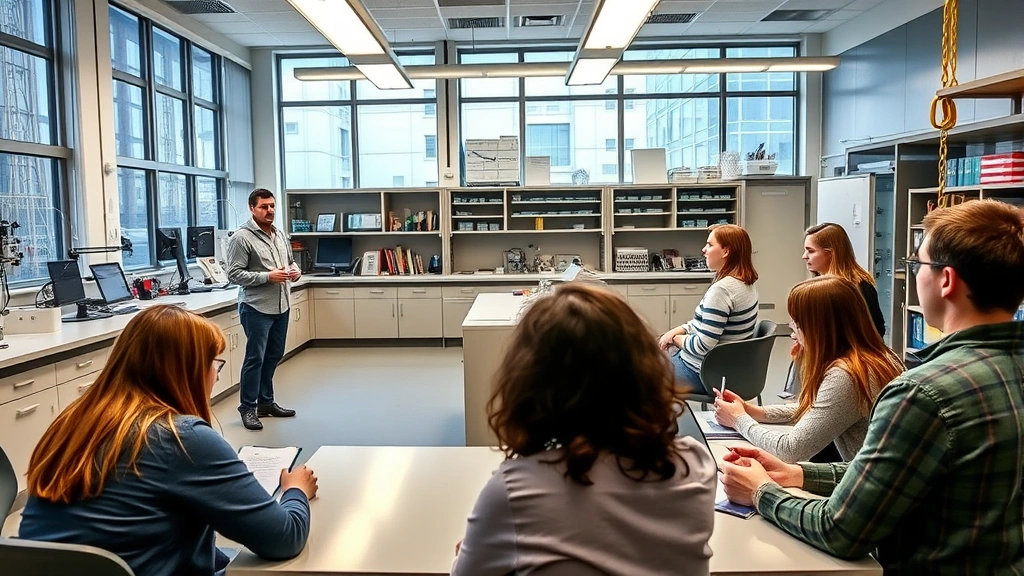
Course Registration and Academic Planning
Successfully navigating WMU’s course offerings requires strategic academic planning. Students work with academic advisors to select courses aligned with degree requirements, career goals, and personal interests. The course registration process follows established timelines ensuring equitable access to courses.
Prerequisites ensure students possess foundational knowledge before advancing to upper-level coursework. Understanding prerequisite structures helps students plan efficient academic pathways. Many programs provide recommended course sequences guiding students toward timely degree completion.
WMU’s course catalog provides comprehensive information about each course including descriptions, credit hours, prerequisites, and learning outcomes. The online catalog enables students to explore courses across all colleges and departments. Course availability varies by semester, and popular courses may have enrollment limits.
General education requirements ensure all students develop broad knowledge and essential skills. These courses span multiple disciplines and learning outcomes, supporting well-rounded education. General education coursework often fulfills requirements across multiple degree programs.
Students can explore elective courses supporting individual interests and career aspirations. Electives provide flexibility within structured degree requirements. Many students use electives to explore potential minors or develop expertise in specialized areas.
Specialized Programs and Certifications
Beyond traditional degree programs, WMU offers specialized programs and professional certifications. These options serve students seeking focused expertise or career-specific preparation.
Professional certifications in project management, quality assurance, and other technical areas support career advancement. Certification programs provide industry-recognized credentials valued by employers. Some programs combine university coursework with professional examination preparation.
Honors programs offer enriched coursework and research opportunities for high-achieving students. Honors seminars provide small class sizes and advanced content. Honors thesis options enable students to conduct original research under faculty mentorship.
Study abroad programs integrate course study with international experience. Students can take courses while studying in partner institutions worldwide. These programs develop global perspectives and cross-cultural competencies.
Internship and cooperative education programs integrate classroom learning with work experience. Students apply course knowledge in professional settings while developing practical skills. These experiences enhance career preparation and employment prospects.
Learning communities and themed living-learning programs connect students with shared academic interests. These communities often include specialized courses and co-curricular activities. Participation supports student engagement and sense of belonging.

Supporting Your Course Success
WMU provides comprehensive support services helping students succeed in their courses. Academic support includes tutoring, writing centers, and subject-specific help sessions. These resources address diverse learning needs and support academic achievement.
Faculty office hours provide opportunities for one-on-one interaction and clarification of course material. Many faculty members utilize online office hours accommodating distance learning students. Regular faculty interaction enhances learning and supports academic growth.
Library resources including databases, research guides, and librarian consultation support coursework across disciplines. WMU’s library system provides print and digital resources supporting research and learning. Information literacy instruction integrated in courses develops essential research skills.
Disability services ensure course accessibility for students with documented disabilities. Accommodations may include assistive technology, note-taking support, extended testing time, or course modifications. These services support equitable access to education.
Career services connect coursework with career planning and job preparation. Career counselors help students explore career options related to their academic programs. Resume development, interview preparation, and employer networking events support career readiness.
Student success coaching provides personalized guidance on academic planning, time management, and goal setting. Coaches work with students to develop strategies supporting course success. These services prove particularly valuable during challenging academic periods.
FAQ
What are the most popular courses at WMU?
Popular courses at WMU span multiple colleges including business fundamentals, engineering core courses, education foundations, and general education requirements. Enrollment popularity reflects both program requirements and student interest in relevant career fields.
Can I take courses from multiple colleges at WMU?
Yes, students frequently take courses across colleges to fulfill general education requirements, explore interests, or develop minors. Many degree programs encourage interdisciplinary coursework. Advisors help students plan courses aligning with degree requirements and goals.
Are WMU courses offered year-round?
WMU offers courses during fall and winter semesters, plus summer and spring/summer sessions. Summer courses provide opportunities for accelerated completion or catch-up coursework. Online courses often maintain consistent availability across multiple terms.
How do I find information about specific WMU courses?
The WMU course catalog available online provides comprehensive course information including descriptions, credit hours, prerequisites, and instructor details. Your academic advisor can provide personalized course recommendations aligned with your degree program and goals.
Can I audit courses at WMU?
WMU permits course auditing under specific conditions. Audited courses do not earn credit or grades but allow learning without performance evaluation. Policies regarding audit options vary by course and college, so check with your advisor.
What resources help with course selection?
Academic advisors provide personalized guidance on course selection. The course catalog, degree requirement sheets, and program websites offer essential planning information. Many colleges provide course planning workshops and advising sessions supporting informed decisions.
Are prerequisites required for all WMU courses?
Many upper-level courses require prerequisites ensuring students possess necessary foundational knowledge. General education and introductory courses typically have no prerequisites. Check course descriptions for specific prerequisite requirements.
How can I balance challenging courses with other coursework?
Academic advisors recommend balancing course difficulty within each semester. Taking one or two challenging courses alongside more manageable courses supports success. Time management strategies and academic support services help students handle rigorous coursework.


