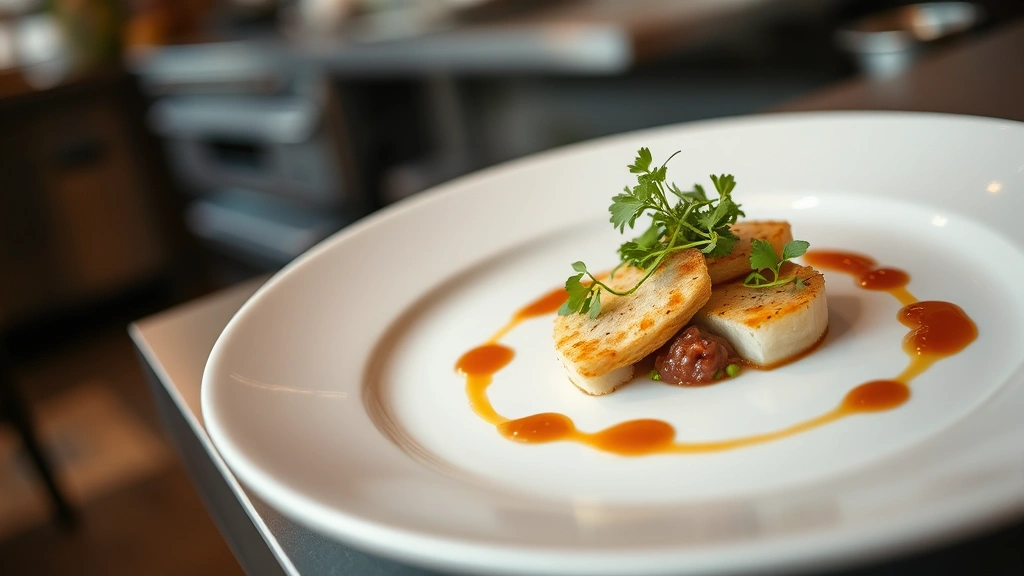
4 Course Meal Ideas: Chef Recommendations for Elegant Dining
A four-course meal represents one of the most sophisticated dining experiences, combining culinary artistry with structured progression and thoughtful flavor development. Whether you’re planning a special dinner party, celebrating an important occasion, or simply exploring fine dining traditions, understanding how to construct a memorable four-course meal is an invaluable skill. This classic format has been refined over centuries, originating from French haute cuisine, and provides an elegant framework for showcasing diverse ingredients, cooking techniques, and flavor profiles in a single evening.
The beauty of a four-course meal lies in its balance and rhythm. Each course serves a specific purpose: awakening the palate, building anticipation, providing substance, and leaving a lasting impression. Professional chefs and culinary educators emphasize that success in this format depends not only on individual dish quality but also on how courses complement and contrast with one another. When you explore our LSA Course Catalog, you’ll find comprehensive resources on culinary education and food science principles that underpin these classical traditions.
This guide draws from professional culinary standards and chef recommendations to help you create a four-course dining experience that impresses guests and demonstrates your understanding of gastronomic principles. Whether you’re a home cook looking to elevate your entertaining skills or someone interested in culinary education, these meal ideas and construction principles will serve you well.
Understanding the Four-Course Meal Structure
The four-course meal format follows a carefully orchestrated progression designed to engage all senses and build a narrative throughout the dining experience. This structure emerged from European fine dining traditions and has become the gold standard for formal entertaining. Understanding this framework is essential before diving into specific menu ideas, as it ensures your courses work together harmoniously rather than as isolated dishes.
The fundamental principle guiding four-course construction is balance across multiple dimensions: flavor intensity, richness, temperature, texture, and ingredient variety. Professional chefs emphasize that each course should feel complete yet leave diners anticipating the next course. According to The Culinary Institute of America, proper course progression prevents palate fatigue while building anticipation and satisfaction throughout the meal.
The traditional sequence consists of an appetizer, soup or light course, main course, and dessert. However, variations exist depending on regional traditions and dining context. Some formats substitute the soup course with a fish course, while others incorporate a palate cleanser between the main and dessert. Understanding these variations allows you to adapt the format to your specific needs and preferences. When exploring advanced culinary topics, check our UPenn Course Review for insights into professional culinary education.
The progression from lighter to richer dishes, then back to lighter sweet flavors, follows digestive logic and sensory principles. This rhythm prevents overwhelming the palate while building flavor complexity and guest engagement. Each course should contribute meaningfully to the overall dining narrative, whether through ingredient connection, technique showcase, or thematic coherence.
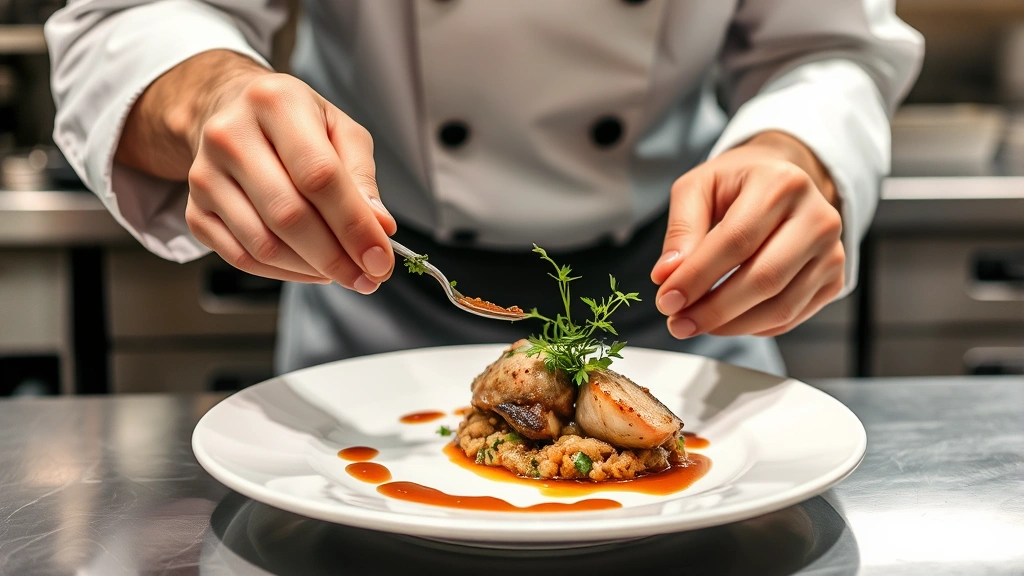
First Course: Appetizer and Amuse-Bouche Ideas
The first course sets the tone for your entire meal and makes an immediate impression on your guests. This course should be light, elegant, and flavorful without being filling. Chefs recommend appetizers that can be consumed in two to three bites, allowing guests to finish before the next course arrives. The first course serves to stimulate appetite rather than satisfy it, preparing the palate for subsequent courses.
Consider these chef-recommended first course options:
- Smoked salmon canapé with crème fraîche and dill: This classic combines delicate flavors with textural contrast. The crispy toast provides crunch, the salmon offers richness, and fresh dill adds aromatic brightness.
- Oysters with mignonette sauce and champagne: Raw oysters represent sophisticated simplicity. The briny mineral quality pairs beautifully with the acidity of mignonette and champagne’s effervescence.
- Foie gras terrine with brioche toast and fig jam: This luxurious option showcases technique and premium ingredients. The sweetness of fig jam balances the richness of foie gras perfectly.
- Burrata cheese with heirloom tomatoes and basil oil: This vegetarian option celebrates seasonal produce. The creamy cheese, acidic tomatoes, and herbaceous oil create complexity through simplicity.
- Scallop crudo with citrus and jalapeño: Raw scallops offer delicate sweetness balanced by bright citrus and subtle heat. This course demonstrates knife skills and ingredient quality.
- Beet carpaccio with goat cheese, walnuts, and balsamic reduction: Earthy beets pair beautifully with tangy goat cheese and nutty walnuts, creating a vegetarian option with depth.
The amuse-bouche, a small complimentary bite served before the first course, adds sophistication and demonstrates culinary generosity. These might include a single perfect oyster, a tiny spoon of soup, or a single truffle. The amuse-bouche should relate thematically to your menu while surprising guests with unexpected flavor combinations.
Professional chefs emphasize that first course success depends on ingredient quality and restraint. Avoid overwhelming flavors or complex preparations that might tire the palate before subsequent courses. The first course should be visually striking, as presentation significantly impacts dining experience perception.
Second Course: Soup and Light Courses
The second course traditionally features either a refined soup or a lighter protein-based dish. This course serves as a bridge between the appetizer and main course, maintaining momentum while preparing the palate for richer flavors ahead. Soups offer particular advantages in formal dining, as they can be prepared in advance and reflect sophisticated flavor development through long cooking processes.
Excellent second course soup options include:
- French onion soup with Gruyère cheese and thyme: Caramelized onions develop deep sweetness through patient cooking, creating umami richness that balances the sharp cheese and aromatic thyme.
- Lobster bisque with cognac and tarragon: This classic showcases shellfish elegance. The bisque’s creamy richness combines with subtle brandy warmth and delicate tarragon notes.
- Butternut squash soup with sage brown butter and crispy sage leaves: Seasonal and elegant, this vegetarian option demonstrates how simple ingredients become sophisticated through technique.
- Mushroom consommé with wild mushroom garnish: A refined, lighter option, consommé shows technical mastery while its clear broth prepares the palate for the main course.
- Asparagus velouté with truffle oil and Parmesan crisp: Spring’s elegance captured in soup form, combining delicate vegetable flavor with luxury ingredient accents.
If opting for a non-soup second course, consider a small fish course or a refined salad. A Dover sole meunière or delicate white fish preparation maintains the progression toward heavier mains. Alternatively, a composed salad with complementary protein offers textural contrast and palate refreshment.
The key to successful second courses involves portion control and flavor clarity. Soups should be served in smaller quantities than typical home portions, allowing guests to enjoy the flavors without excessive fullness. Temperature consistency matters significantly—soups must arrive hot enough to be satisfying but not so hot that they overwhelm delicate flavors.
Third Course: Main Course Excellence
The main course represents your meal’s centerpiece, where the most substantial proteins and complex flavors shine. This course should showcase premium ingredients, refined technique, and bold flavors that have been building throughout the meal. The main course is where you demonstrate culinary skill while satisfying guests’ appetites.
Professional chefs recommend these main course options:
- Beef tenderloin with red wine reduction and roasted root vegetables: Classic elegance showcasing premium beef. The red wine reduction develops depth through careful reduction, while roasted vegetables add earthiness and textural contrast.
- Duck breast with cherry gastrique and potato purée: Duck’s richness balances beautifully with the sweet-tart cherry sauce. The crispy skin provides textural interest against creamy potato.
- Halibut with beurre blanc, asparagus, and microgreens: This refined fish course maintains lightness while providing satisfaction. The beurre blanc represents classical technique excellence.
- Lamb rack with herb crust, jus, and spring vegetables: Lamb’s distinctive flavor pairs beautifully with aromatic herbs. The herb crust provides texture and visual appeal.
- Dover sole meunière with brown butter and capers: This French classic demonstrates how simplicity and technique create perfection. The whole fish presentation impresses while the brown butter develops nutty complexity.
- Venison loin with blackberry reduction and celery root purée: This luxurious game option showcases bold flavors balanced by fruit sweetness and vegetable earthiness.
Main course construction should follow the classical French plate composition: protein as the focal point, starch component, vegetable component, and sauce. This arrangement ensures balanced nutrition while creating visual harmony. Chefs emphasize that main courses should be properly seasoned and cooked to exact specifications, as any flaws become glaringly obvious at this course’s prominence level.
The main course timing is critical—it should arrive when guests have finished their second course, maintaining dining momentum without excessive waits. Professional servers understand that main course pacing significantly impacts overall dining satisfaction.
Fourth Course: Dessert and Final Impressions
Dessert concludes your meal and creates the lasting impression guests remember most vividly. UConn Course Catalog resources note that dessert’s psychological impact on dining satisfaction is substantial—a memorable sweet finish can elevate an otherwise good meal to exceptional status.
Recommended dessert options for formal four-course meals include:
- Chocolate soufflé with Grand Marnier sauce: This theatrical presentation offers light, airy chocolate balanced by the orange-liqueur sauce. The soufflé’s dramatic rise impresses diners.
- Crème brûlée with seasonal fruit compote: This elegant classic combines creamy custard with the textural contrast of caramelized sugar. Fresh fruit adds brightness and prevents excessive richness.
- Pistachio panna cotta with dark chocolate ganache: Silky panna cotta showcases delicate nut flavor while dark chocolate provides textural and flavor contrast.
- Lemon tart with Italian meringue and candied lemon peel: Bright citrus flavors cut through the meal’s richness. The contrast between tart and sweet, sharp and smooth creates complexity.
- Strawberry shortcake with champagne cream and fresh berries: Light and elegant, this option celebrates seasonal ingredients while maintaining textural interest.
- Raspberry pavlova with whipped cream and fresh raspberries: Crispy meringue, soft cream, and fresh fruit create textural variety while remaining relatively light after a substantial meal.
Dessert portions should be smaller than typical home servings, as guests have already consumed three courses. The sweetness level should feel satisfying without being cloying. Professional pastry chefs recommend balancing sweetness with acidity or slight bitterness to prevent palate fatigue.
Consider offering a palate cleanser between the main and dessert courses—a small sorbet, granita, or fruit-based preparation that refreshes the palate and aids digestion. This addition elevates the dining experience while demonstrating culinary sophistication. The palate cleanser should be served in minimal quantities, perhaps one or two spoonfuls, in a small glass or on a chilled plate.
Wine Pairing Strategies
Wine pairing elevates a four-course meal from good to exceptional, as each wine selection enhances specific courses while building coherence throughout the meal. Wine Spectator’s extensive research demonstrates that proper pairing significantly enhances flavor perception and dining satisfaction.
Professional sommeliers recommend these pairing strategies:
- Aperitif course: Begin with Champagne or Prosecco, offering acidity and effervescence that stimulate appetite and complement light appetizers.
- First course wine: Continue with the same Champagne or transition to a crisp white wine like Sauvignon Blanc or Albariño, which pairs beautifully with seafood and light preparations.
- Second course wine: If serving soup, maintain the white wine or select a slightly richer option like Chardonnay. The wine should not overpower delicate soup flavors.
- Main course wine: Select based on the protein—light-bodied red like Pinot Noir for fish, fuller red like Bordeaux or Burgundy for beef, or rich white for chicken preparations.
- Dessert wine: Conclude with Sauternes, Moscato, or Port, selecting sweetness levels that complement rather than duplicate dessert sweetness.
Wine pairing principles emphasize matching intensity levels, complementing flavors, and managing progression from lighter to fuller wines. Avoid jumping from white to full red wine, instead using intermediate wines to guide the progression. The general rule suggests moving from lighter to fuller-bodied wines, though some chefs prefer returning to lighter wines before dessert to refresh the palate.
Professional wine educators stress that personal preference matters as much as technical pairing rules. When guests have strong preferences, accommodate them graciously while explaining your pairing logic. Consider offering multiple wine options at each course, allowing guests to select based on their preferences.
Timing and Preparation Techniques
Successful four-course meal execution depends heavily on meticulous planning and precise timing. Professional chefs spend significant effort on mise en place (ingredient preparation) and course timing coordination to ensure smooth service. When exploring culinary education resources like our UIUC Course Explorer, you’ll find comprehensive information on professional kitchen organization and timing strategies.
Key preparation principles include:
- Advance preparation: Prepare components that hold well in advance—stocks, reductions, purées, and compound butters can be made days ahead, reducing last-minute stress.
- Mise en place organization: Arrange all ingredients and prepared components in order of use, allowing smooth progression through each course preparation.
- Staggered cooking: Begin cooking components with longest cooking times first, staggering subsequent courses so everything arrives hot and fresh.
- Plating strategy: Pre-plate appetizers and desserts when possible, keeping them in cool storage until service. Plate main courses individually for maximum freshness.
- Resting periods: Allow proteins adequate resting time after cooking to redistribute juices and maintain tenderness.
- Temperature management: Use warming drawers and heated plates for hot courses, chilled plates for cold courses, maintaining optimal serving temperatures.
Professional service timing typically allows 15-20 minutes between courses, allowing adequate eating time without excessive waits. Observe guests’ paces, clearing plates when finished rather than adhering to rigid timing. This attentiveness demonstrates hospitality and respect for guests’ comfort.
The Understanding Online Degree Accreditation article notes that formal culinary education emphasizes service standards and timing precision as core competencies. These skills separate professional dining experiences from casual entertaining.
Communication with guests about timing creates pleasant experiences. Brief guests on approximate timing between courses, explaining any delays or preparations occurring in the kitchen. This transparency builds appreciation for the work involved while managing expectations appropriately.
Practical preparation timeline recommendations:
- One week before: Plan menu, confirm guest count, create shopping list, make reservations for any restaurant components.
- Three days before: Shop for non-perishable ingredients and long-storage items like wine.
- Two days before: Prepare stocks, reductions, and other components holding well in refrigeration.
- One day before: Shop for fresh ingredients, prepare vegetable components, make desserts if possible.
- Day of service: Final preparations, plating setup, table arrangements, guest arrival preparation.
- During service: Final cooking, careful plating, attentive service, guest interaction and enjoyment.
FAQ
What is the ideal time between courses in a four-course meal?
Professional dining standards recommend 15-20 minutes between courses, allowing guests adequate eating time without excessive waits. However, this timing should adapt to guests’ pace—if someone is still eating, don’t rush them. The goal is comfortable dining rather than rigid adherence to schedules.
Can I substitute courses in the traditional four-course format?
Absolutely. The traditional format provides a framework, not rigid rules. You might substitute the soup course with a fish course, eliminate the soup entirely, or include a palate cleanser between main and dessert. Adapt the format to your menu, dietary considerations, and entertaining style.
How do I manage a four-course meal for dietary restrictions?
Plan menus with dietary awareness, offering vegetarian, vegan, or gluten-free alternatives for each course. Communicate with guests in advance, confirming dietary needs and preferences. Many restaurants and professional chefs maintain alternative menus specifically for dietary accommodations.
What’s the difference between a four-course and five-course meal?
Five-course meals typically include an additional course—often a fish course between the soup and main, or a cheese course between main and dessert. The basic principles remain the same: progression from light to rich, balanced flavors, and strategic timing.
How can I simplify a four-course meal for home entertaining?
Focus on dishes you can prepare in advance or that require minimal last-minute cooking. Consider semi-prepared components or quality store-bought items for some courses. Select simpler preparations showcasing excellent ingredients rather than complex techniques. Your genuine hospitality matters more than flawless execution.
What wines pair best with four-course meals?
Start with Champagne or crisp white wine for appetizers, continue white wine through soup course, transition to fuller whites or light reds for main courses, and conclude with dessert wine. The progression should feel natural, not jarring, allowing wine to enhance rather than overshadow food.
How far in advance should I plan a four-course dinner?
Plan menus at least one week in advance, allowing time for shopping and component preparation. Confirm guest count and dietary needs two weeks prior. Complete significant preparation tasks three to four days before service, leaving only final cooking and plating for the day of entertaining.
What’s the most important element of a successful four-course meal?
While execution matters, genuine hospitality and guest comfort should be your primary focus. A meal served with warmth and attentiveness, even with minor imperfections, creates better memories than a technically perfect meal served with stress or coldness. Enjoy the process, focus on your guests, and let that positive energy shine through.


