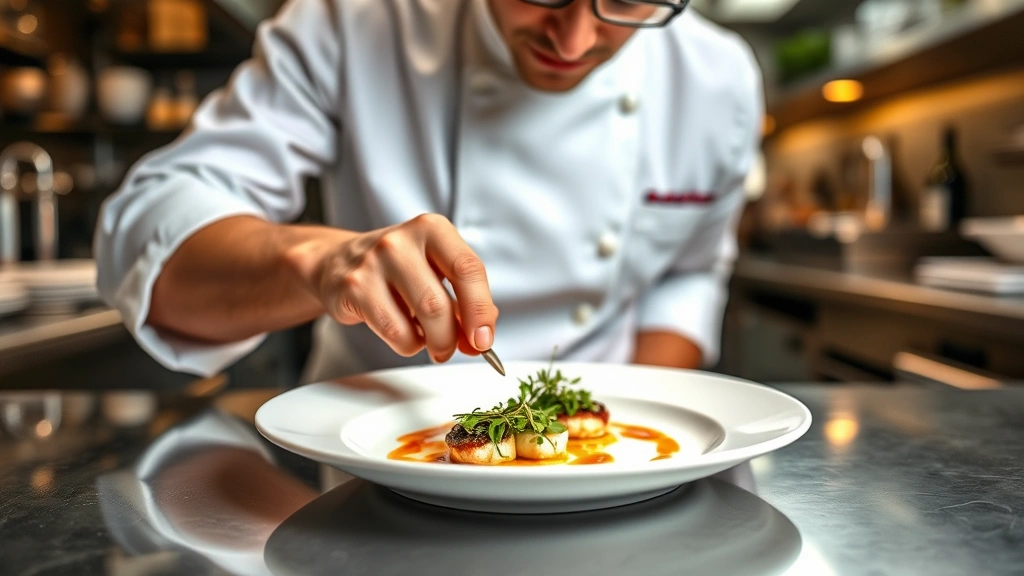
Master a 4 Course Meal: Chef’s Guide to Fine Dining Excellence
A four-course meal represents the pinnacle of culinary sophistication and structured dining etiquette. Whether you’re preparing for a special occasion, learning professional cooking techniques, or simply wanting to impress guests, understanding the architecture of a four-course meal is essential. This comprehensive guide breaks down each course, timing strategies, wine pairings, and practical execution methods that professional chefs use in fine dining establishments worldwide.
The four-course meal format has been refined over centuries of European culinary tradition. Each course serves a specific purpose in the dining experience, building flavors progressively while allowing the palate to reset between dishes. Mastering this structure requires knowledge of food science, flavor theory, kitchen management, and service protocols. Whether you’re studying culinary arts through formal education or developing skills independently, this guide provides the foundational knowledge and advanced techniques needed to execute a flawless four-course meal.

Understanding the Four Course Structure
The four-course meal format represents a balanced approach to fine dining that emphasizes quality over quantity. Unlike casual dining experiences, each course in a structured meal serves distinct culinary and sensory purposes. The progression moves from lighter, more delicate flavors to richer, more substantial dishes, then concludes with sweet notes that provide closure to the dining experience.
Professional chefs understand that a well-executed four-course meal is not simply about serving four dishes. It’s about creating a narrative arc through food, where each element builds upon the previous one while offering palate cleansing and flavor contrasts. This structure allows diners to consume more total food while maintaining comfort and satisfaction throughout the meal. The spacing between courses also provides opportunities for conversation, relationship building, and the social aspects of fine dining that extend beyond the food itself.
When learning culinary techniques, studying the anatomy and physiology of taste and digestion helps explain why this course structure works so effectively from a biological perspective. Understanding how the digestive system responds to different foods, fats, and flavors informs better course design and sequencing decisions.

First Course: The Appetizer
The appetizer, or amuse-bouche, serves as the opening statement of your culinary presentation. This course should awaken the palate, establish the meal’s flavor profile, and create anticipation for subsequent courses. Appetizers are typically light, flavorful, and visually striking—they should be consumed in just a few bites, leaving diners wanting more rather than feeling satiated.
Successful appetizers share several characteristics: they feature bold, concentrated flavors that make an impact quickly; they incorporate textural contrasts such as crispy, creamy, or crunchy elements; and they are visually appealing, as diners eat first with their eyes. Classic appetizer options include oysters, shrimp cocktail, foie gras, smoked salmon, or vegetable-based preparations. Modern fine dining often features more innovative appetizers that play with unexpected flavor combinations while maintaining technical excellence.
When preparing appetizers, timing is critical. Most components can be prepared in advance, but final plating and any hot elements should be completed just before service. This allows you to manage kitchen workflow efficiently while ensuring optimal temperature and presentation. Consider how your appetizer will complement the courses that follow—if your main course features rich, heavy flavors, choose a lighter appetizer that won’t overwhelm the palate.
Second Course: The Soup
Traditionally, the second course consists of soup, which serves as a palate preparation course. This course bridges the gap between the delicate appetizer and the more substantial main course. Soups can be hot or cold depending on the season and overall meal theme, though hot soups are more traditional in fine dining contexts. The soup course should be refined, flavorful, and relatively light in volume—typically served in small portions of 4-6 ounces.
Excellent soups for this course include consommé, bisque, velouté, or broth-based preparations. These soups are typically smooth, elegant, and deliver concentrated flavors. Avoid heavy cream-based soups that might overwhelm the palate or leave diners too full for subsequent courses. The soup should complement but not duplicate flavors from the appetizer or main course.
Preparing soup ahead of time offers significant advantages for the chef. Most soups improve with time as flavors meld and develop. You can prepare the base stock or soup foundation days in advance, then finish and plate it just before service. This allows you to focus kitchen attention on more time-sensitive components of other courses. Consider garnishing soups with refined elements like microgreens, truffle oil, or crispy elements that add visual interest and textural contrast.
Third Course: The Main Course
The main course represents the centerpiece of your four-course meal. This is where the chef showcases technical skill, ingredient quality, and creative vision. The main course typically features a protein—beef, fish, poultry, or vegetarian options—accompanied by thoughtfully selected side dishes that complement and enhance the primary ingredient.
When designing your main course, consider the protein’s characteristics and cooking method. Will you prepare beef tenderloin with a red wine reduction? Pan-seared fish with beurre blanc? Roasted chicken with seasonal vegetables? Each choice carries implications for flavor profile, cooking time, and plating presentation. Professional chefs often choose proteins that offer visual appeal when plated and that pair naturally with complementary flavors.
The main course should be more substantial than previous courses but should not overwhelm diners who have already consumed an appetizer and soup. Portion sizes typically range from 4-6 ounces of protein with 2-3 ounces of accompaniments. The plate composition matters significantly—modern plating emphasizes balance, using the plate as a canvas for artistic expression while maintaining functional, logical food placement that aids consumption.
Consider how your main course will be executed during service. Can components be partially prepared ahead? Which elements must be finished to order? Understanding these timing considerations helps you create a realistic service plan that doesn’t overwhelm your kitchen capabilities. Even if you’re cooking for a small dinner party, planning execution details prevents stress and ensures consistent quality.
Fourth Course: Dessert
Dessert concludes the four-course meal experience, leaving a final impression that diners will remember. This course should feel like a natural conclusion rather than an afterthought. Successful desserts balance sweetness with other flavor dimensions—acidity, bitterness, or savory notes—that prevent the dish from feeling cloying or one-dimensional.
Dessert options range from simple to complex. A refined option might feature chocolate, fruit, and a complementary sauce with textural elements like tuile or praline. Alternatively, a cheese course can precede dessert in extended fine dining contexts, offering a savory transition before final sweet courses. Regardless of your choice, dessert should reflect the sophistication and care evident in earlier courses.
Desserts offer excellent opportunities for advance preparation. Many components—sauces, crumbles, coulis, or even entire desserts—can be prepared days in advance and plated just before service. This allows you to deliver polished, professional-looking plates without excessive last-minute kitchen stress. Consider incorporating elements that provide visual appeal and textural contrast, such as creamy centers with crispy exteriors, or warm components paired with cold elements.
Timing and Coordination
Executing a four-course meal requires precise timing and coordination. Each course must reach the table at optimal temperature and quality, with appropriate spacing between courses to allow for digestion and conversation. Professional restaurants typically space courses 15-20 minutes apart, though home entertaining can follow more relaxed timelines based on guest preferences.
Create a detailed timeline working backward from your desired service start time. If you want dessert plated at 8:30 PM, when must the main course be finished? When should you begin cooking the main course? When should the soup be heating? This backward planning ensures all components align properly. Build in buffer time for unexpected delays while maintaining flexibility for guest preferences.
Coordination becomes increasingly important as complexity increases. If you’re cooking alone, choose dishes that don’t require simultaneous attention. If you have kitchen assistance, assign specific responsibilities clearly. Communicate timing expectations so everyone understands when components need to be ready. Use timers liberally and check components frequently rather than relying on memory.
Temperature management is critical throughout the meal. Appetizer plates should be properly chilled or warmed. Soup must be served at appropriate temperature without being dangerously hot. Main course proteins and vegetables should reach the table at optimal serving temperature. Desserts should be at their intended temperature—whether chilled, room temperature, or warm. This attention to detail distinguishes professional execution from casual cooking.
Wine and Beverage Pairings
Wine pairings elevate the four-course meal experience significantly. Each course benefits from thoughtful beverage selection that complements flavors and enhances overall enjoyment. While wine is traditional, quality non-alcoholic beverages and craft beverages offer excellent alternatives for diverse guest preferences.
For the appetizer course, consider light white wines, champagne, or aperitifs that stimulate appetite without overwhelming delicate flavors. The soup course typically calls for the same beverage as the appetizer, or you might pause beverage service briefly. The main course deserves careful pairing consideration—red wines for beef, white wines for fish or lighter proteins, or rosé wines for versatile pairing options. Match wine weight and intensity to the dish’s richness and flavor profile.
Dessert wines or after-dinner beverages conclude the pairing experience. Port, dessert wines, or sparkling options complement sweet courses beautifully. Coffee and tea also play important roles in concluding the meal experience. Consider offering digestifs or small-batch spirits that provide a sophisticated finish.
When selecting wines, don’t assume expensive automatically means better. Focus on wines that genuinely complement your chosen dishes. Research producer reputations, read tasting notes, and consider your guests’ preferences. If wine selection feels overwhelming, consult with knowledgeable wine merchants or sommeliers who can offer recommendations based on your menu and budget.
Kitchen Preparation and Mise en Place
Professional kitchens operate on the principle of mise en place—having everything in its place before service begins. This French culinary term encompasses complete advance preparation: ingredients measured and prepped, equipment organized, cooking stations arranged logically, and procedures rehearsed mentally or physically.
Begin preparation by reviewing all recipes thoroughly and identifying components that can be prepared in advance. Stocks and sauces often benefit from being made days ahead. Vegetables can be cleaned and cut hours before service. Desserts can be prepared the day before. Proteins should be portioned and brought to appropriate temperature just before cooking. This advance work dramatically reduces stress during service and improves consistency.
Organize your kitchen workspace logically. Group ingredients and tools by course or cooking station. Ensure adequate space for plating each course. Label containers clearly, especially if you’re preparing components over multiple days. Use your oven strategically—can you hold the appetizer plates there while the main course cooks? Can soup stay on the stovetop at low temperature while you focus on protein preparation?
Create written procedures for each dish, noting cooking times, temperatures, and plating details. Even if you’re preparing for a simple dinner party, written notes prevent memory lapses and ensure consistency if you prepare the same meal multiple times. Professional chefs maintain detailed recipe files with precise instructions, ingredient lists, and plating guides.
Service Protocols and Etiquette
Service protocol distinguishes fine dining from casual meal preparation. Understanding proper service enhances the dining experience and demonstrates respect for your guests and the culinary effort invested.
Serve from the left, clear from the right—this traditional guideline helps guests anticipate movements and prevents awkward collisions. Present each course with confidence and, if appropriate, brief description of the dish, preparation method, or special ingredients. Allow time between courses for conversation and digestion. Remove finished plates promptly but without hovering or rushing.
For home entertaining, you might serve family-style or plate individually in the kitchen before presenting to guests. Both approaches work well when executed thoughtfully. Individual plating allows for more controlled presentation and portion sizes. Family-style service feels more casual and allows guests to serve themselves, which some find more comfortable in home settings.
Attention to detail elevates service quality. Ensure glassware is clean and water glasses stay filled. Provide appropriate silverware for each course, working from outside in as courses progress. Remove bread plates and crumbs between courses. Offer palate cleansers—sorbet between courses is traditional in elaborate meals. These small touches demonstrate care and professionalism.
When learning about formal dining protocols, resources like formal dining etiquette guides provide comprehensive information about traditional service standards. Understanding these conventions helps you adapt them appropriately to your specific context, whether formal dinner party or casual home entertaining.
FAQ
How long should a four-course meal take?
A typical four-course meal takes 2-3 hours from appetizer to dessert in fine dining contexts. Home entertaining might be more relaxed, taking 3-4 hours with conversation and breaks between courses. The pace should feel unhurried and allow guests to enjoy each course fully without feeling rushed.
Can I prepare all courses in advance?
Most components can be prepared ahead, but final plating and any hot elements should be completed just before service. Appetizers and desserts often benefit from complete advance preparation. Soups and sauces improve with time. Main course proteins should be cooked to order for optimal quality. Plan your timeline to maximize advance work while maintaining quality.
What if I don’t have formal dining experience?
Formal dining skills develop through practice and study. Begin by preparing simpler dishes until you gain confidence, then gradually increase complexity. Watch videos of professional chefs plating dishes. Practice your menu beforehand if possible. Read about service protocols and etiquette. Remember that genuine effort and attention to detail matter more than perfect formality.
How do I handle dietary restrictions in a four-course meal?
Ask guests about dietary restrictions well in advance. Prepare appropriate alternatives for restricted guests without making them feel excluded. For example, if serving beef to most guests, prepare fish or vegetarian protein for guests who don’t eat beef. Ensure all components—stocks, sauces, seasonings—accommodate any restrictions. Communicate clearly about ingredients to avoid surprises.
What are the most important skills for executing a four-course meal?
Time management, organization, and basic cooking technique form the foundation. Understanding flavor composition and how courses work together elevates execution quality. Plating skills and attention to detail improve presentation. Knowledge of food safety and proper temperatures ensures guest health. Communication skills help coordinate with kitchen assistance and serve guests graciously.
Should I follow traditional courses or can I be creative?
Traditional structures provide excellent frameworks, but creativity within that structure is encouraged. Modern fine dining often features innovative interpretations of classic courses. You might serve an unusual appetizer or creative dessert while maintaining the four-course structure. The key is intentional decision-making—understand traditions before breaking them, and ensure any deviations serve the overall meal experience.


