Master Golf Techniques: Pro Tips from Top Coaches at The Cardinal Golf Course
Golf is a sport that demands precision, consistency, and mental fortitude. Whether you’re a beginner stepping onto your first fairway or an intermediate player looking to refine your swing, learning from top coaches can dramatically accelerate your improvement. The Cardinal Golf Course has become a premier destination for golfers seeking professional instruction, offering world-class facilities and expert coaching that transforms players of all skill levels.
Mastering golf techniques isn’t about overnight success—it’s about understanding the fundamentals, practicing with purpose, and receiving guidance from experienced professionals. Top coaches at facilities like The Cardinal Golf Course emphasize that every golfer has the potential to improve significantly through proper instruction and dedicated practice. This comprehensive guide explores proven techniques and coaching strategies that can elevate your game to the next level.
The journey to becoming a skilled golfer involves multiple components: grip mechanics, stance alignment, swing sequencing, and mental resilience. Professional coaches break down these complex movements into teachable segments, allowing students to build competency progressively. Whether you’re exploring Raleigh golf courses or planning a visit to championship-caliber facilities, the principles taught by top coaches remain universally applicable.
The Fundamentals: Grip, Stance, and Posture
Every golf technique begins with proper fundamentals. Top coaches emphasize that even professional players periodically return to basics because the foundation determines everything that follows. Your grip is the only connection between your body and the club, making it absolutely critical to master this element first.
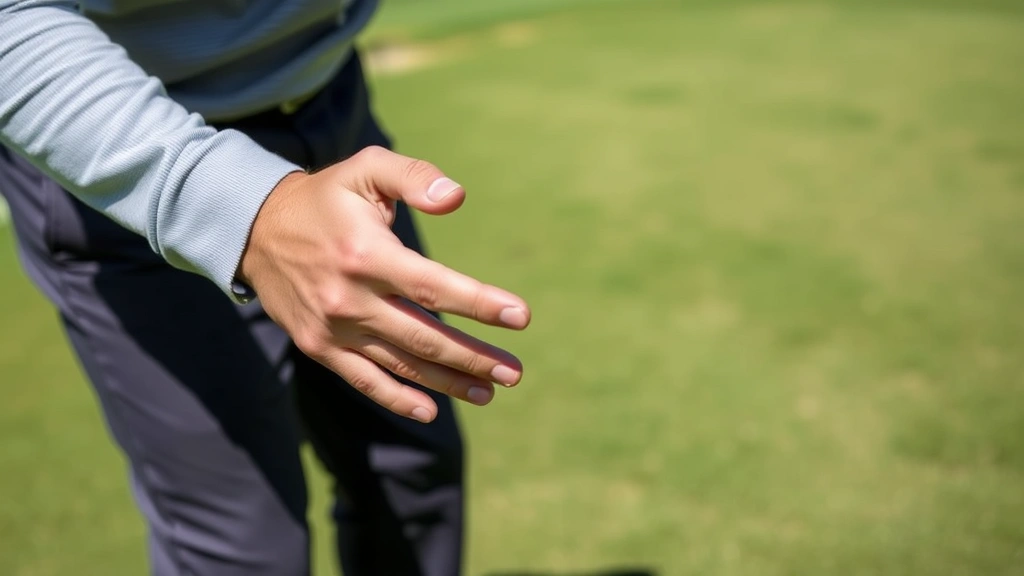
The Grip: Professional coaches teach three primary grip styles: the overlapping (Vardon) grip, the interlocking grip, and the ten-finger grip. Most tour professionals favor the overlapping grip because it provides optimal control while allowing natural hand action. Your grip pressure should feel like holding a small bird—firm enough that it doesn’t escape, but gentle enough that you don’t crush it. Tension in your grip transfers throughout your entire swing, restricting club head speed and accuracy.
Stance and Alignment: Your feet position determines your body alignment, which directly impacts swing path and ball flight. Top coaches at premier facilities teach golfers to establish their stance with feet shoulder-width apart, with your lead foot slightly flared outward for rotational freedom. The ball position varies depending on which club you’re using: position longer clubs more forward in your stance, while shorter clubs sit more centered. Proper alignment ensures that your swing plane matches your intended target line.
Posture and Balance: Athletic posture creates the foundation for powerful, consistent swings. Bend forward from your hips with a slight knee flex, keeping your spine straight but tilted away from the target. Your arms should hang naturally from your shoulders without tension. Professional coaches emphasize that balance throughout the swing prevents compensatory movements that destroy consistency. When you maintain balance, your lower body can drive the swing while your upper body responds naturally.
[IMAGE_1]
Developing a Consistent Swing Sequence
The golf swing is a complex motor skill involving multiple moving parts in precise sequence. Top coaches break the swing into distinct phases: takeaway, backswing, transition, downswing, impact, and follow-through. Understanding each phase helps golfers identify where breakdowns occur and correct them systematically.
The Takeaway and Backswing: The first 18 inches of your swing set the tone for everything that follows. Professional coaches emphasize moving the club, hands, and shoulders together as one unit during the takeaway. Your lead arm should remain relatively straight while your trailing elbow folds naturally. During the backswing, your shoulders rotate approximately 90 degrees while your hips rotate about 45 degrees, creating what coaches call “separation” or “coil.” This differential rotation stores energy that powers the downswing.
The Transition and Downswing: The transition from backswing to downswing is where most golfers lose power and accuracy. Top coaches teach that the downswing initiates with your lower body—specifically, your hips beginning to rotate toward the target while your upper body is still coiled. This creates a lag between your hips and shoulders, which generates club head speed. Your weight should gradually shift toward your lead leg as your hips clear, allowing your arms to accelerate through impact.
Impact and Follow-Through: At impact, your lead wrist should be relatively straight (not scooped or overly bent), your body should be rotating aggressively toward the target, and the club face should be square to your swing path. Professional coaches emphasize that impact is a moment, not a position—it happens so quickly that you can’t consciously control it. Instead, coaches teach golfers to focus on the positions leading into impact, knowing that proper sequencing produces a correct impact position automatically. Your follow-through should be balanced and complete, with your body fully rotated toward the target.
Short Game Mastery and Scoring Zones
Professional coaches consistently emphasize that “golf is won on the greens.” While driving and iron play capture attention, the short game—encompassing chipping, pitching, and putting—determines your actual scores. Many golfers spend 80% of their practice time on full swings but 100% of their scoring happens within 100 yards of the green.
Chipping Fundamentals: Effective chipping requires a different mindset than full swing golf. Top coaches teach that chips should roll more than they fly, minimizing variables. Your stance should be narrow and open, with 60-70% of your weight on your lead leg. The club should swing like a pendulum with minimal wrist action—your hands, arms, and club move together as one unit. Club selection varies based on distance and green conditions; coaches teach golfers to select a club that will land the ball on the green and let it roll to the hole, rather than trying to land it close through air.
Pitching and Wedge Play: Pitches (40-60 yards) require more finesse than chips. Professional coaches teach that pitch shots involve slightly more hand action and a longer swing than chips. Your weight distribution remains favoring your lead side, but you allow your wrists to hinge slightly for additional control. Different wedge types—pitching, gap, sand, and lob wedges—provide options for various distances and trajectories. Coaches emphasize that mastering one wedge at multiple distances proves more effective than trying to hit every wedge the same distance.
Putting Excellence: Putting accounts for approximately 40% of your total strokes, making it the most important scoring skill. Top coaches teach that putting success depends on reading greens accurately, establishing a repeatable stroke, and developing distance control. Your putting stance should be comfortable and stable, with your eyes positioned directly over the ball. The stroke itself should be a pendulum motion—the length of your backswing determines your forward swing length, which controls distance. Professional coaches emphasize that stroke consistency matters more than stroke length; two golfers with different stroke lengths can both be excellent putters if their strokes are repeatable and calibrated for distance.

Mental Game and Course Management
Technical skill alone doesn’t guarantee golf success. Top coaches recognize that the mental game separates excellent players from good ones. Golf uniquely demands that you execute precise physical skills while managing pressure, disappointment, and self-doubt over four hours.
Pressure Management: Professional coaches teach that pressure is inevitable in golf—even professionals experience it. Rather than trying to eliminate pressure, elite coaches help golfers develop systems for performing under pressure. Techniques include pre-shot routines that create consistency, breathing exercises that calm the nervous system, and visualization that programs your mind for success. Your pre-shot routine should be identical for every shot: it might include taking practice swings, establishing your alignment, taking deep breaths, and committing to a target. This routine creates neural pathways that activate under pressure, allowing your training to manifest in competition.
Course Management Strategy: Top coaches teach that knowing your distances, understanding wind conditions, and selecting appropriate targets dramatically improves scores. Rather than always trying to hit the longest club or most aggressive shot, professional golfers often choose safer targets that set up better next shots. For instance, missing left of a green might leave an easier chip than missing right, so coaches teach golfers to miss on the correct side. Understanding your strengths and weaknesses helps you play to your advantages while minimizing risk.
Resilience and Bounce-Back: Every golfer hits poor shots—professionals included. The difference is that top players quickly move past mistakes and refocus on the next shot. Coaches teach that dwelling on poor shots creates frustration that compounds errors. Instead, professionals develop systems for processing mistakes: briefly acknowledging what went wrong, adjusting if necessary, and completely refocusing on the next shot. This resilience separates golfers who play their potential from those who underperform.
Practice Strategies Used by Professionals
Not all practice is equally effective. Top coaches emphasize that deliberate practice—focused, purposeful work on specific skills—produces far better results than casual range time. Many golfers practice the same way they play: hitting shot after shot without clear objectives. Professional coaches teach structured practice that targets specific weaknesses.
Deliberate Practice Framework: Effective practice involves identifying specific skills that need improvement, setting measurable objectives, and tracking progress. Rather than hitting 100 range balls without focus, a golfer might practice 20 shots from 100 yards with the specific objective of landing 15 within 10 feet of the target. This focused practice produces measurable improvement. Top coaches recommend that 70% of your practice time target areas that need work, while 30% reinforces strengths.
Range Practice Structure: Professional coaches teach a three-step range practice: (1) warm-up with easy swings to establish rhythm, (2) focused skill work on specific techniques or distances, and (3) simulation practice where you play imaginary holes with realistic pressure. This structure ensures that your practice develops both technical skill and competitive readiness.
On-Course Practice: Playing golf itself is practice, but top coaches teach golfers to practice deliberately on the course. Rather than simply playing for score, occasionally play practice rounds where you focus on specific skills: hitting specific targets, managing specific club distances, or executing particular shots. This bridges the gap between range practice and competition.
Technology and Analytics in Modern Golf Coaching
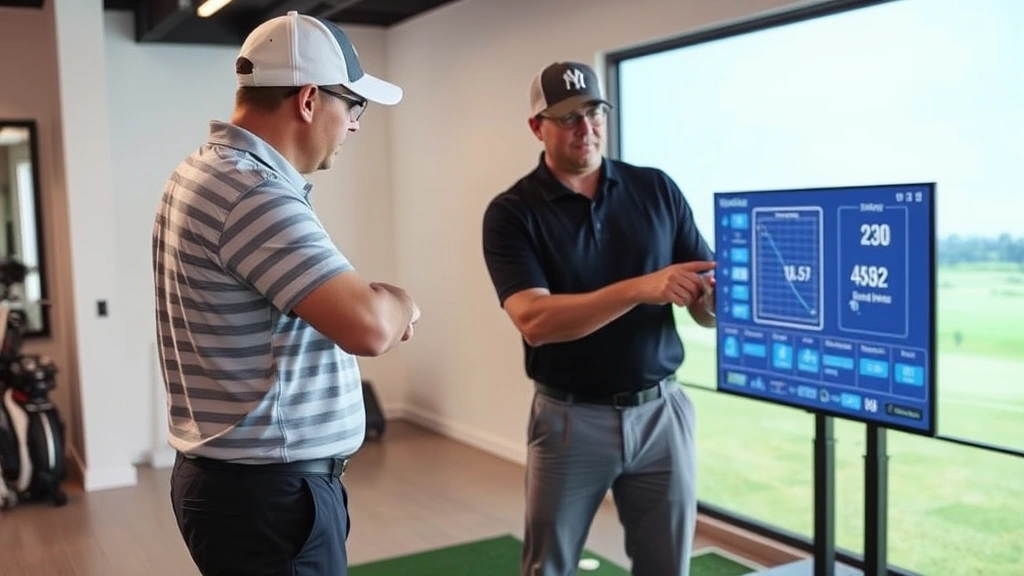
Contemporary golf coaching incorporates technology that provides objective data about your swing and performance. Top coaches at facilities like The Cardinal Golf Course utilize launch monitors, swing analysis software, and biomechanical assessment tools that reveal exactly what’s happening in your swing.
Launch Monitor Technology: Modern launch monitors measure club head speed, ball speed, launch angle, spin rate, and carry distance with extraordinary precision. This data allows coaches to identify whether your swing issues stem from technique problems or equipment mismatch. For instance, if you’re losing distance despite good technique, a launch monitor reveals whether you need a different club, different ball, or equipment adjustments. This objective feedback accelerates improvement by eliminating guesswork.
Swing Analysis Software: Video analysis tools allow coaches to capture your swing from multiple angles and break it down frame-by-frame. Coaches can overlay your swing against professional swings, highlighting specific differences in positions and movements. This visual feedback helps golfers understand exactly what changes they need to make.
Performance Tracking: Many golfers now track their rounds using apps that record scores, distances, and performance statistics. Over time, this data reveals patterns: which clubs you hit most accurately, which courses suit your game, which conditions challenge you most. Top coaches use this information to tailor coaching and practice recommendations.
Whether you’re exploring options at golf course for sale opportunities or enrolling in coaching programs similar to enrolled agent course structures, the principles of systematic learning apply universally. Professional coaching combines traditional techniques with modern technology to accelerate your improvement.
For those interested in comprehensive learning programs, exploring resources like Collin College course catalog or UCSD course schedule can provide insights into structured educational approaches that apply to golf coaching as well. Understanding course load management principles helps golfers balance practice with other life commitments.
FAQ
How long does it typically take to see improvement from professional golf coaching?
Most golfers notice measurable improvement within 4-6 weeks of consistent coaching and practice. Significant improvements in swing mechanics may take 8-12 weeks as new movements become ingrained. However, score improvement often comes faster as coaches help you optimize your short game and course management. The timeline depends on your starting point, practice frequency, and how dramatically you’re changing your technique.
What’s the difference between a coach and a swing instructor?
A swing instructor focuses primarily on mechanical adjustments to your golf swing. A coach takes a broader approach, addressing swing technique, short game, mental game, course management, and practice strategy. Top coaches help you become a better overall golfer, not just develop a better swing.
Can I improve my golf game without professional coaching?
Yes, you can improve through self-study and practice, but professional coaching accelerates improvement significantly. Coaches identify issues you might miss, correct compensatory movements before they become ingrained, and provide accountability that drives progress. Most golfers improve faster with coaching than without, even if they practice the same amount.
What should I expect during my first coaching session?
Initial sessions typically involve assessment: the coach observes your swing, evaluates your technique, discusses your goals, and identifies your strengths and primary areas for improvement. Many coaches use video and launch monitor data to provide objective feedback. They’ll explain what changes are needed and why, then begin working on specific improvements. Expect to learn a lot in your first session—good coaches are excellent educators.
How often should I take lessons to see consistent improvement?
Most top coaches recommend weekly lessons for golfers seeking significant improvement. Weekly sessions allow coaches to monitor progress, introduce new concepts, and ensure you’re practicing correctly between lessons. Some golfers benefit from bi-weekly lessons combined with structured practice, while competitive golfers might invest in multiple weekly lessons. The frequency should match your goals and available time.
Are there specific drills that top coaches recommend?
Yes, professional coaches use hundreds of drills targeting specific skills. Common drills include alignment sticks for swing path training, impact bags for feel development, ladder drills for distance control, and pressure drills that simulate competitive situations. The best drills for you depend on your specific needs, which your coach identifies during assessment.


