
Buying a Golf Course? Expert Insights on Investment, Operations & Success
Purchasing a golf course represents one of the most substantial investments in the leisure and hospitality industry. Whether you’re an experienced golfer, a business entrepreneur, or an investor seeking diversified portfolio opportunities, understanding the complexities of golf course acquisition requires comprehensive knowledge of market dynamics, financial considerations, and operational expertise. This guide provides evidence-based insights to help you navigate the golf course purchase process with confidence and strategic foresight.
The golf course market has experienced significant transformation over the past decade. Industry data reveals shifting consumer preferences, changing demographics of golfers, and evolving business models that directly impact property valuations and operational viability. Before committing substantial capital to a golf course for sale, prospective buyers must conduct thorough due diligence, understand local market conditions, and develop realistic financial projections based on historical performance data and future revenue potential.

Understanding the Golf Course Market Landscape
The golf course industry has undergone substantial consolidation and restructuring. According to the National Golf Foundation, the number of operational golf courses in the United States has declined from approximately 18,000 courses in 2005 to roughly 15,000 today. This contraction reflects broader industry challenges including decreased participation rates among younger demographics, increased operational costs, and changing recreational preferences.
However, this market consolidation presents opportunities for strategic investors. Well-located courses with strong fundamentals, modern amenities, and effective management continue to demonstrate profitability. Understanding current market conditions is essential before pursuing any golf course acquisition. Key market indicators include:
- Regional demand patterns: Some geographic markets show stronger golfer participation and course demand than others
- Course utilization rates: Average rounds played per course annually vary significantly by region and course type
- Pricing trends: Recent comparable sales data reveals actual market values versus asking prices
- Membership models: Private, semi-private, and public course models demonstrate different revenue characteristics
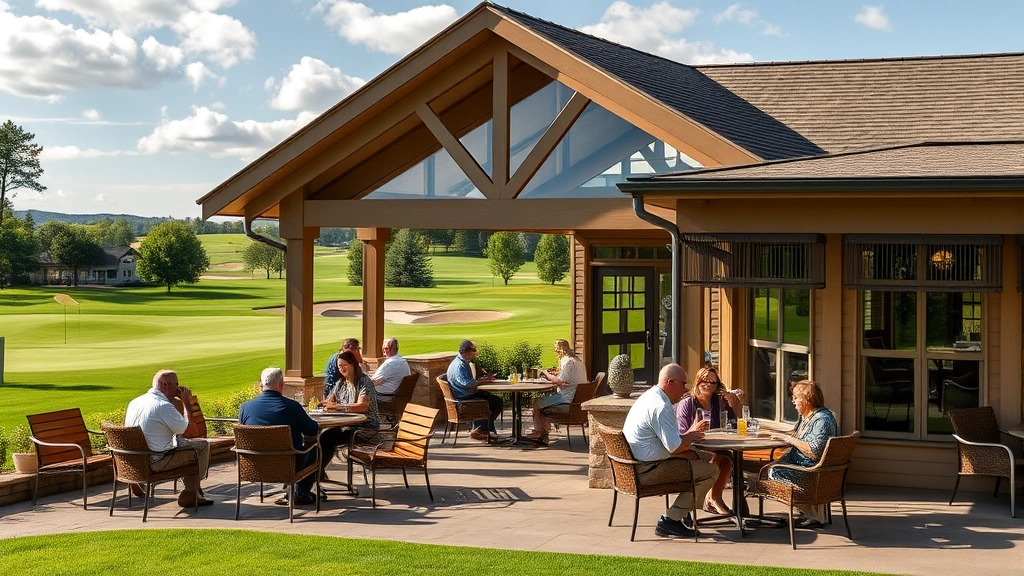
- Alternative revenue streams: Wedding venues, corporate events, and dining facilities supplement traditional golf revenue
Prospective buyers should research specific regional markets thoroughly. For example, examining courses like Duke University Golf Course reveals how institutional backing and strong management create sustainable operations, while Sterling Farms Golf Course demonstrates successful community-focused course management. Similarly, Brainerd Golf Course illustrates regional market dynamics and seasonal considerations affecting course profitability.
According to research from the Professional Golfers’ Association of America, demographic shifts significantly impact course performance. Millennial and Generation Z golfers demonstrate different participation patterns compared to traditional demographics, with preferences for shorter courses, faster play formats, and enhanced food and beverage experiences.
Financial Considerations and Investment Analysis
Comprehensive financial analysis forms the foundation of any sound golf course investment decision. The purchase price represents only one component of total investment requirements. Successful golf course buyers must evaluate multiple financial dimensions with rigorous analysis.
Purchase Price and Valuation Methods: Golf courses are typically valued using three approaches: comparable sales analysis, income capitalization, and cost approach. Market prices vary dramatically based on location, course quality, membership base, and financial performance. A championship-caliber course in an affluent market may command $8-15 million, while a municipal public course might sell for $2-4 million. However, asking prices frequently exceed actual market value, particularly for struggling properties.
Professional appraisals by golf industry specialists are essential. Generic commercial real estate appraisers often lack golf course expertise and may produce inaccurate valuations. Specialized golf course appraisers understand industry-specific factors affecting value and can provide more reliable assessments.
Operating Expenses and Revenue Analysis: Detailed financial review of existing operations provides critical insights. Key metrics to evaluate include:
- Gross revenue: Total income from all sources including green fees, memberships, cart rentals, food/beverage, and events
- Operating expenses: Typically ranging from 65-85% of gross revenue depending on course type and market
- Maintenance costs: Grounds keeping represents the largest single expense category, typically 30-40% of operating expenses
- Labor costs: Staffing expenses for golf operations, maintenance, food service, and administration
- Capital expenditure requirements: Ongoing investments needed to maintain course conditions and infrastructure
Prospective buyers should request 3-5 years of audited financial statements and tax returns. Many struggling courses present inflated revenue figures or understate actual expenses. Independent verification through interviews with staff, suppliers, and members provides reality-checking on reported financials.
Return on Investment Projections: Realistic ROI analysis requires conservative assumptions about revenue growth and expense control. Most golf course investments target 8-12% annual returns, though this varies by property type and market. Properties with strong growth potential or significant operational improvement opportunities may justify higher expected returns.
Financing considerations significantly impact investment viability. Traditional lenders view golf course financing as higher-risk, typically requiring 30-40% down payment and charging interest rates 2-3% above standard commercial rates. Some specialized golf course lenders offer more favorable terms for qualified buyers with strong management experience.
Operational Requirements and Management
Acquiring a golf course requires understanding complex operational requirements that differ substantially from typical real estate investments. Unlike passive rental properties, golf courses demand active, professional management and substantial ongoing attention.
Golf Course Maintenance and Turf Management: Maintaining premium course conditions requires significant expertise and investment. Superintendent selection represents one of the most critical operational decisions. Experienced superintendents understand:
- Turf science principles and seasonal management protocols
- Equipment operation, maintenance, and replacement scheduling
- Pesticide and fertilizer application regulations and best practices
- Irrigation system design and water conservation strategies
- Budget development and cost control in maintenance operations
Course conditioning directly impacts player satisfaction, course reputation, and revenue potential. Underfunded maintenance leads to deteriorating conditions, declining play, and reduced property value. Conversely, excessive maintenance spending without corresponding revenue generation reduces profitability. Finding the optimal balance requires professional expertise.
Golf Operations and Member Management: For private and semi-private courses, member satisfaction directly affects revenue stability and course viability. Effective golf operations management includes:
- Tee time reservation systems and pace-of-play management
- Member communication and satisfaction programs
- Tournament and event scheduling
- Golf instruction and teaching pro management
- Handicap tracking and competition administration
Public course operations require different strategies focused on maximizing rounds played and optimizing green fee revenue. Effective marketing, pricing strategies, and customer service become paramount in competitive public course markets.
Food and Beverage Operations: Many modern golf courses recognize that food and beverage represents 20-35% of total revenue and significantly impacts member satisfaction. Successful F&B operations require:
- Professional kitchen management and food safety compliance
- Experienced head chef and kitchen staff
- Beverage program development and inventory management
- Service staff training and customer experience focus
- Licensing and health department compliance
Many golf courses struggle with F&B profitability because management lacks hospitality expertise. Engaging experienced F&B operators or consultants can substantially improve this revenue stream.
Location and Property Assessment
Geographic and Market Considerations: Location fundamentally determines golf course success. Key location factors include:
- Population density: Courses serving populations of 100,000+ within 15-20 minute drive time typically perform better than isolated rural courses
- Demographic composition: Household income, age distribution, and golf participation rates within the market area directly impact demand
- Competitive landscape: The number and quality of competing courses within the market affects pricing power and market share
- Economic trends: Markets with growing employment, business development, and population growth typically support stronger golf course performance
- Tourism and destination appeal: Courses in resort areas or tourist destinations can generate revenue from visiting golfers
Regional market analysis should include detailed demographic studies, golf participation research, and competitive course analysis. Professional market research firms specializing in golf course analysis can provide valuable insights for significant investment decisions.
Physical Property Evaluation: Thorough property assessment requires professional expertise. Key evaluation areas include:
- Course design and layout: Routing, hole design, and strategic difficulty affecting player satisfaction and maintenance complexity
- Drainage and irrigation infrastructure: Critical systems requiring substantial capital investment if deficient
- Clubhouse facilities: Building condition, age of systems, renovation requirements, and functional adequacy
- Maintenance facility: Equipment storage, shop facilities, and operational infrastructure
- Parking and cart paths: Capacity, condition, and safety considerations
- Environmental conditions: Wetlands, wildlife habitat, and ecological constraints affecting operations
Environmental site assessments should identify potential contamination, endangered species habitat, or regulatory constraints affecting operations. Phase I and Phase II environmental assessments provide critical information before purchase commitment.
Legal, Regulatory, and Environmental Factors
Golf course ownership involves complex legal and regulatory considerations that significantly impact operations and profitability. Thorough legal review by golf industry-experienced attorneys is essential.
Regulatory Compliance Requirements: Golf courses operate under multiple regulatory frameworks including:
- Environmental regulations: Pesticide application, water usage, and wetland protection regulations vary by jurisdiction
- Labor and employment laws: Wage and hour requirements, workplace safety, and employment regulations
- Health and safety codes: Food service licensing, swimming pool regulations (if applicable), and facility safety standards
- Zoning and land use regulations: Local zoning restrictions may limit operational flexibility or expansion opportunities
- Membership and contract law: Member agreements, liability waivers, and contractual obligations require careful legal documentation
Non-compliance with regulatory requirements can result in substantial fines, operational restrictions, or forced closure. Understanding applicable regulations before purchase prevents costly surprises.
Liability and Insurance Considerations: Golf course operators face substantial liability exposure from player injuries, property damage, and other incidents. Comprehensive liability insurance is essential, typically costing $50,000-200,000 annually depending on course size and risk profile. Employment practices liability, property insurance, and specialized coverage for events and tournaments add to insurance costs.
Liability waivers and proper safety maintenance reduce injury risk and insurance premiums. Regular safety audits, equipment maintenance, and staff training demonstrate risk management commitment.
Membership and Contract Issues: For private and semi-private courses, existing member agreements and initiation fees create complex legal and financial obligations. Understanding membership structures, transfer restrictions, and refund obligations is critical. Some courses with declining membership face obligations to refund initiation fees or maintain specific services, creating financial liabilities.
Marketing Strategies for Course Success
Effective marketing directly impacts course utilization and revenue generation. Modern golf course marketing requires multi-channel strategies adapted to target audiences.
Digital Marketing and Online Presence: Contemporary golfers research courses online, read reviews, and book tee times through digital platforms. Essential digital elements include:
- Professional website: Mobile-responsive design showcasing course, amenities, and booking capabilities
- Social media presence: Regular engagement on Facebook, Instagram, and other platforms relevant to target audiences
- Online review management: Monitoring and responding to reviews on Google, Yelp, and golf-specific platforms
- Email marketing: Regular communication with members and past players about events, promotions, and course updates
- Search engine optimization: Visibility for local search queries and golf course keywords
Membership and Pricing Strategies: Membership models significantly affect revenue predictability and player base. Common models include:
- Full membership: Unlimited play with high initiation fees and monthly dues
- Equity membership: Ownership stake in the course with corresponding rights and obligations
- Limited membership: Restricted play (e.g., weekdays only) at lower cost
- Junior and senior memberships: Discounted rates for age groups to expand market reach
- Flex or corporate memberships: Pay-per-play options for non-committed golfers
Pricing strategies must balance revenue maximization with market competitiveness. Green fee pricing, membership dues, and cart rental rates require careful analysis of local market conditions and competitive offerings.
Event and Tournament Programming: Revenue diversification through events substantially improves course profitability. Effective programming includes:
- Member tournaments and leagues generating participation and camaraderie
- Corporate outings and business networking events
- Wedding ceremonies and receptions utilizing course venues
- Junior golf programs developing future players and community goodwill
- Professional or celebrity tournaments generating publicity and prestige
Event revenue extends beyond green fees to include food/beverage, equipment sales, and ancillary services. Strategic event programming creates multiple revenue streams and strengthens community relationships.
Due Diligence Checklist for Prospective Buyers
Before committing to a golf course purchase, comprehensive due diligence protects your investment. Essential evaluation areas include:
- Financial audit by golf industry-experienced accountants
- Professional golf course appraisal by specialized appraisers
- Environmental site assessment and regulatory compliance review
- Legal review of membership agreements, contracts, and liabilities
- Superintendent and staff interviews regarding operations and challenges
- Member satisfaction surveys and retention data analysis
- Competitive market analysis and demand forecasting
- Physical property inspection by golf course construction specialists
- Equipment inventory and maintenance records review
- Insurance coverage review and risk assessment
This comprehensive approach requires investment in professional advisors but prevents costly mistakes and reveals hidden problems before purchase commitment.
FAQ
What is the typical price range for a golf course?
Golf course prices vary dramatically based on location, quality, and membership base. Municipal public courses might sell for $2-4 million, while championship private courses in affluent markets can exceed $15 million. Regional market conditions and course condition significantly affect pricing.
How much annual revenue does a typical golf course generate?
Revenue varies widely, but average courses generate $1-3 million annually. High-performing courses in strong markets may exceed $5 million, while struggling courses might generate only $500,000-800,000 annually. Revenue composition varies between membership fees, green fees, and ancillary services.
What are the main challenges in golf course operations?
Common challenges include declining participation rates, labor cost increases, environmental regulations, competition from other courses, and changing consumer preferences. Successful operators address these challenges through innovation, operational efficiency, and strategic marketing.
Is golf course ownership profitable?
Profitable golf course ownership is achievable with proper location, management, and operational strategies. However, profitability requires active management, industry expertise, and realistic financial expectations. Many struggling courses result from inadequate management or poor location selection rather than inherent industry problems.
Should I hire a golf course management company?
Management companies provide professional expertise, operational systems, and industry connections. However, they charge management fees (typically 5-10% of revenue) and may limit operational control. The decision depends on your management expertise, available time, and operational preferences.
What financing options exist for golf course purchases?
Traditional lenders, specialized golf course lenders, Small Business Administration loans, and owner financing represent common options. Most require 30-40% down payment and charge interest rates 1-3% above standard commercial rates. Golf course lending is more restrictive than typical commercial real estate financing.
How can I improve an underperforming golf course?
Common improvement strategies include operational efficiency improvements, marketing and member communication enhancements, facility upgrades, staff training and retention, food and beverage program development, and event programming diversification. Identifying specific underperformance causes guides improvement priorities.
Purchasing a golf course represents a significant investment requiring careful analysis, professional expertise, and realistic expectations. By thoroughly understanding market conditions, conducting comprehensive financial analysis, and evaluating operational requirements, prospective buyers can make informed decisions that lead to successful, profitable course ownership. The golf course industry continues evolving, presenting opportunities for knowledgeable investors willing to invest the time and resources necessary for success.
Whether you’re exploring golf course investment opportunities or seeking to understand the acquisition process, consulting with experienced golf course brokers, appraisers, and industry advisors provides invaluable guidance. Your success depends on combining market knowledge, financial acumen, and operational expertise to create a thriving golf course business.


