Find Local Babysitting Courses? Expert Guide to Getting Certified Near You
Babysitting is one of the most rewarding ways for young people to earn income while developing essential caregiving skills. However, responsible parents and families increasingly expect babysitters to be certified in first aid, CPR, and child safety protocols. If you’re searching for a babysitting course near me, you’re taking the right step toward becoming a qualified, trustworthy childcare provider. This comprehensive guide walks you through finding local courses, understanding certification requirements, and choosing the best training program for your needs.
The demand for certified babysitters has never been higher. According to recent data from the Child Care Aware of America, families prioritize babysitters with formal training and current certifications. Whether you’re a teenager looking for your first babysitting job or an adult transitioning into childcare work, obtaining proper certification demonstrates your commitment to child safety and can significantly increase your earning potential.

Why Babysitting Certification Matters
Certification in babysitting goes far beyond listing it on a resume. When you complete a recognized babysitting course, you gain practical knowledge in emergency response, child development, behavior management, and safety protocols that could literally save a child’s life. Parents conducting background checks and interviews specifically ask about certifications because they indicate you’ve received professional training.
Studies from the American Psychological Association emphasize that proper training in child development helps caregivers understand age-appropriate expectations, recognize signs of distress, and respond appropriately to behavioral challenges. A certified babysitter understands how to comfort a toddler, supervise a school-age child, and handle emergencies with confidence.
Beyond safety, certification demonstrates professionalism. Many families are willing to pay premium rates for babysitters with current CPR and first aid certifications. In competitive markets, certification can be the deciding factor between getting hired and losing the opportunity to another candidate.
Types of Babysitting Courses Available
Babysitting courses come in various formats and specializations. Understanding the different types helps you select the program that best fits your goals and circumstances.
Standard Babysitting Certification Courses typically cover fundamental skills including child safety, emergency preparedness, age-appropriate activities, nutrition and feeding, hygiene practices, and basic problem-solving. These courses usually run 6-10 hours and are designed for teenagers and young adults.
CPR and First Aid Certification is often bundled with babysitting courses or offered separately. This training teaches cardiopulmonary resuscitation techniques, how to recognize cardiac emergencies, and appropriate first aid responses. The American Heart Association and Red Cross offer widely recognized certifications that remain valid for two years.
Infant Care Specialization courses focus specifically on caring for babies under 12 months. These programs cover safe sleep practices, diaper changing, feeding techniques, recognizing illness, and soothing methods. Many parents of infants specifically seek babysitters with this credential.
Special Needs Babysitting Courses prepare caregivers to work with children who have autism, ADHD, physical disabilities, or other special needs. These specialized programs teach communication strategies, behavior support techniques, and disability awareness.
Online Babysitting Courses provide flexibility for busy schedules. While some components require in-person practice, many programs now offer hybrid models with online theory and in-person skills demonstrations. Similar to how individuals explore online interior design courses, online babysitting programs offer convenience without sacrificing quality instruction.
Where to Find Courses Near You
Locating babysitting courses in your area requires checking multiple resources. Here are the most reliable places to search:
- Local Red Cross Chapters: The American Red Cross offers Babysitting Basics and Babysitter courses through chapters nationwide. Visit redcross.org to find your local chapter and check their course schedule.
- YMCA and Community Centers: Most YMCAs and community recreation centers offer affordable babysitting certification courses. Call your local branch or check their website for current offerings.
- Schools and School Districts: Many middle schools and high schools offer babysitting courses through their health or family science departments. Contact your school’s main office for information.
- Hospital and Medical Centers: Healthcare facilities often sponsor CPR and first aid courses, sometimes with babysitting components. Call local hospitals to ask about course schedules.
- Online Platforms: Companies like Babysitters of America, Sittercity, and Care.com offer online certification courses with varying levels of recognition.
- Local Colleges and Universities: Community colleges frequently offer childcare and babysitting courses for credit or continuing education.
- Parks and Recreation Departments: Municipal parks and recreation departments regularly schedule babysitting courses, especially during summer and school breaks.
When searching for babysitting course near me, use Google Maps or your city’s official website to find community centers, YMCAs, and recreation departments. Call ahead to confirm current course schedules, as offerings vary seasonally.
What to Expect in Training
Understanding what you’ll learn in a babysitting course helps you prepare mentally and physically for the training experience. Most comprehensive courses cover these core topics:
Child Development and Behavior: You’ll learn how children develop cognitively, emotionally, and physically at different ages. This knowledge helps you set realistic expectations, recognize developmental milestones, and understand why children behave the way they do. For instance, understanding that toddlers have limited impulse control helps you respond with patience rather than frustration.
Safety and Supervision: Courses emphasize active supervision techniques, hazard identification, and accident prevention. You’ll learn to scan environments for choking hazards, electrical dangers, and other risks. This section often includes discussions about screen time limits, water safety, and appropriate outdoor play.
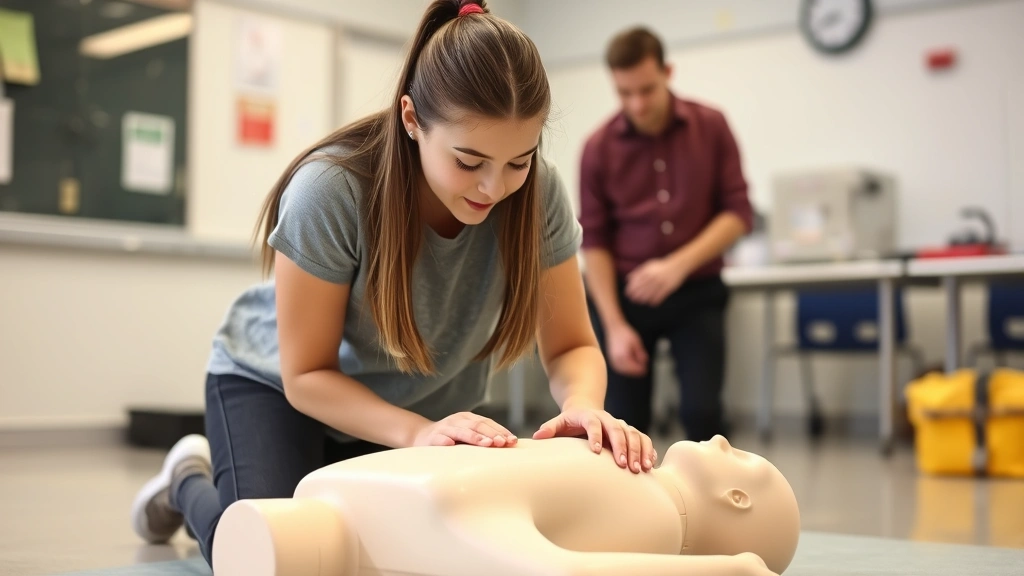
Emergency Response: CPR and first aid training teaches you to recognize life-threatening emergencies and respond appropriately. You’ll practice chest compressions, rescue breathing, and recovery positions on mannequins. This hands-on practice builds confidence for real-world situations.
Communication with Parents: Effective babysitting requires clear communication. Courses teach you how to gather important information before parents leave, document activities and behaviors, report concerns appropriately, and follow parental instructions.
Age-Appropriate Activities: You’ll learn how to plan engaging activities suitable for different age groups. Instructors demonstrate crafts, games, and educational activities that entertain children while supporting their development.
Nutrition and Food Safety: Training covers basic nutrition principles, meal preparation for children, managing food allergies, and preventing foodborne illness. You’ll learn about choking hazards and appropriate foods for different ages.
Cost and Time Commitment
Babysitting course costs vary significantly based on the provider, location, and course comprehensiveness. Understanding typical pricing helps you budget appropriately.
Red Cross Courses: Typically range from $50-$150 depending on the specific course and your location. Babysitting Basics is usually the most affordable option.
YMCA and Community Centers: Often the most budget-friendly at $30-$100, especially for members. Some facilities offer sliding scale fees for low-income families.
Online Courses: Range from $50-$200, with some offering payment plans. Digital courses provide flexibility but may require additional in-person testing.
CPR/First Aid Certification: Separate certifications typically cost $50-$150, though they’re often included in comprehensive babysitting packages.
Time Investment: Most babysitting courses require 6-15 hours of instruction spread across one to three days or several weeks. CPR/first aid components often require 4-6 hours. Online courses allow you to progress at your own pace, typically taking 2-4 weeks.
Consider this investment as essential professional development. Many babysitters earn back their course fees within their first few jobs through higher rates and more consistent work.
Choosing the Right Program
With multiple course options available, selecting the best program requires evaluating several factors. Just as someone researching Tahoe golf courses or Banff golf courses compares options carefully, you should evaluate babysitting programs thoroughly.
Accreditation and Recognition: Choose courses certified by recognized organizations like the Red Cross, American Heart Association, or your state’s childcare licensing board. These credentials carry weight with employers and families.
Instructor Qualifications: Ask about instructor training and experience. Instructors should have backgrounds in childcare, education, or healthcare. Many states require instructors to maintain current certifications themselves.
Curriculum Content: Review what topics are covered. Comprehensive programs include CPR/first aid, child development, safety, emergency response, and communication skills. Avoid programs that skip important areas.
Class Size: Smaller classes (under 15 participants) allow more hands-on practice and individual attention, especially important for CPR/first aid components.
Schedule Flexibility: Consider whether you need evening, weekend, or online options. Some programs offer multiple schedule choices to accommodate different lifestyles.
Cost and Value: Compare pricing, but don’t choose based solely on cost. A slightly more expensive course from a reputable provider offers better value than a cheap course with questionable credentials.
Reviews and Recommendations: Ask friends, family, and potential employers which programs they recommend. Online reviews on Google and Yelp provide insights from previous participants.
Certification Validity: Confirm how long certifications remain valid and what renewal requirements exist. Most CPR/first aid certifications require renewal every two years.
After Certification: Job Opportunities
Completing your babysitting course opens doors to various employment opportunities. Your certification demonstrates to families that you’re serious about providing quality childcare.
Direct Family Connections: Many people find their first babysitting jobs through family networks. Once certified, tell relatives, family friends, and neighbors about your new credential. Word-of-mouth referrals remain the most common way families find babysitters.
Online Platforms: Websites like Sittercity, Care.com, and Bambino allow you to create profiles highlighting your certifications. Families actively search these platforms for qualified babysitters in their areas.
Local Agencies: Some communities have childcare agencies that maintain lists of certified babysitters and refer them to families. These agencies often vet their providers carefully.
Daycare and Preschool Facilities: Some facilities hire babysitters for before and after-school care programs. Your certification makes you a more competitive candidate, and such positions often provide consistent hours.
Nanny Positions: Babysitting certification can lead to full-time nanny work. Many families seeking full-time care providers specifically want certified candidates.
Competitive Rates: Certified babysitters typically earn 25-50% more than uncertified sitters. In many markets, certified sitters earn $15-$20+ per hour compared to $10-$15 for uncertified caregivers. This premium quickly offsets your course investment.
Just as someone might explore Georgia hunter safety course options to pursue a specific activity, your babysitting certification opens pathways to consistent, well-paying work in a field that’s always in demand.
FAQ
What age do you need to be to take a babysitting course?
Most babysitting courses accept participants as young as 11-13 years old, though some require participants to be at least 15. Check specific program requirements. Younger participants may take courses but typically find babysitting jobs around ages 13-14.
How long is babysitting certification valid?
Babysitting certification validity varies by provider. Red Cross Babysitting Basics certificates typically remain valid indefinitely, though CPR/first aid components require renewal every two years. Always check your specific certificate for expiration dates.
Can I take a babysitting course online?
Yes, many organizations offer online babysitting courses. However, CPR and first aid components typically require in-person demonstration. Hybrid courses combining online theory with in-person skills practice are increasingly common.
Do I need CPR certification to be a babysitter?
While not always legally required, CPR certification is highly recommended and increasingly expected by families. Many parents specifically hire only CPR-certified babysitters. It’s a valuable credential that increases your marketability and earning potential.
What’s the difference between babysitting courses and nanny training?
Babysitting courses are shorter and cover fundamental childcare skills for occasional care. Nanny training programs are more comprehensive, longer, and prepare you for full-time childcare positions. They typically include more advanced child development and household management training.
How much will I earn as a certified babysitter?
Certified babysitters typically earn $12-$20+ per hour depending on location, experience, number of children, and specific responsibilities. Certifications often command premium rates, with certified sitters earning 25-50% more than uncertified peers.
Where should I look first for local babysitting courses?
Start with your local Red Cross chapter, YMCA, community recreation department, and local schools. These institutions offer affordable, reputable courses. You can also search online for “babysitting courses near me” or check community college websites.
What should I bring to my babysitting course?
Bring a notebook, pen, and comfortable clothing that allows movement. For CPR/first aid components, wear clothes allowing you to practice chest compressions. Most courses provide materials and handouts. Arrive early to get settled and ask any preliminary questions.


