
Find Babysitting Courses Locally? Expert Advice for Aspiring Caregivers
Finding a quality babysitting course near you is one of the best investments you can make in your caregiving career. Whether you’re a teenager looking to earn money, a parent wanting to refresh your skills, or someone considering childcare as a profession, local babysitting courses provide essential training in child safety, emergency response, and developmental psychology. These programs equip you with the knowledge and confidence needed to care for children responsibly while building credentials that parents actively seek when hiring caregivers.
The landscape of babysitting education has evolved significantly over the past decade. Modern courses go far beyond basic supervision—they now incorporate evidence-based child development principles, first aid certification, CPR training, and guidance on managing challenging behaviors. Understanding where to find these courses and what to look for ensures you receive comprehensive, up-to-date instruction that meets current childcare standards and parental expectations.
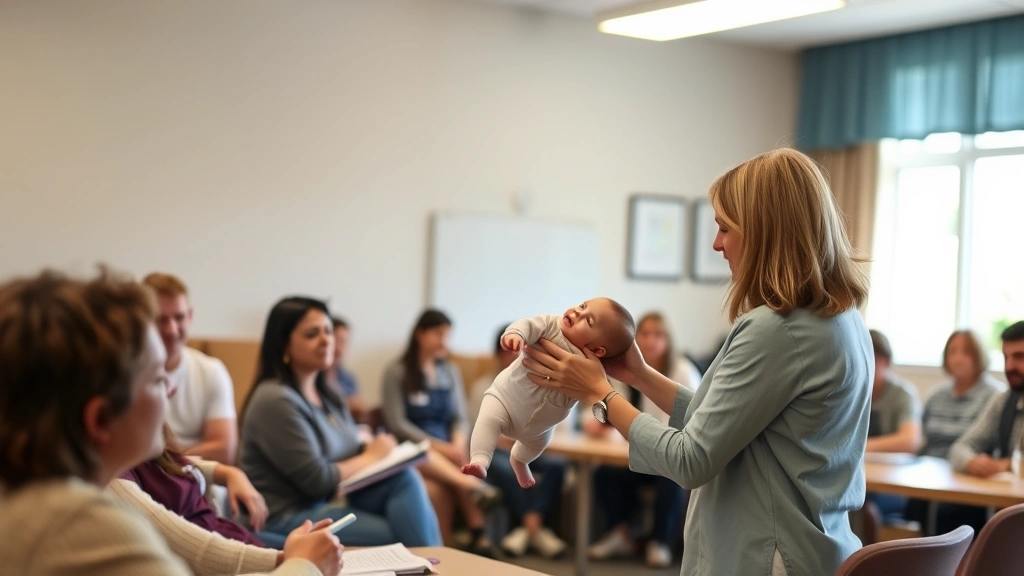
Where to Find Babysitting Courses Near You
The first step in locating babysitting courses in your area involves checking multiple reliable sources. The American Red Cross remains one of the most recognized providers of babysitting certification courses nationwide. Their official website features a course locator tool where you can enter your zip code to find nearby training sessions. Red Cross courses typically combine online learning with in-person skills practice, offering flexibility for busy schedules.
Local community centers and recreation departments frequently offer babysitting courses as part of their youth development programs. Contact your city or county Parks and Recreation department directly—they often publish seasonal course schedules and can provide information about instructors and curriculum. Many communities offer these courses at reduced rates for residents.
Your library system may also coordinate babysitting training. Public libraries increasingly partner with certified instructors to offer courses in their meeting spaces. Check your library’s website or call the children’s services department to learn about upcoming sessions. This option often provides convenient scheduling and access to educational resources.
Schools and youth organizations like the YMCA, Girl Scouts, and Boy Scouts frequently sponsor babysitting courses. These organizations understand child development and safety requirements, making their programs particularly comprehensive. School districts sometimes offer courses through continuing education departments or summer programs.
Certified childcare providers and nanny agencies in your area often recommend or directly offer babysitting training. These professionals have established relationships with quality instructors and can guide you toward programs that meet industry standards. Some agencies even provide free training to candidates they plan to refer for babysitting positions.

Types of Babysitting Certification Programs
Babysitting courses vary in scope and depth, ranging from basic orientation programs to comprehensive certification packages. Understanding the different types helps you select the program that best matches your experience level and career goals.
Basic babysitting courses typically run 4-8 hours and cover fundamental topics including child supervision, age-appropriate activities, and basic safety. These introductory programs suit teenagers taking their first babysitting job or parents refreshing their knowledge. They’re ideal for building confidence and establishing foundational caregiving competencies.
CPR and First Aid certification courses are often offered separately or bundled with babysitting training. The American Heart Association provides evidence-based CPR instruction that teaches life-saving techniques for infants, children, and adults. Many families specifically request caregivers with current CPR certification, making this credential highly valuable in the job market.
Comprehensive babysitting certification programs extend 12-24 hours and integrate child development theory with practical skills. These programs explore developmental stages from infancy through adolescence, teaching age-appropriate communication and discipline strategies. They address special needs awareness, cultural sensitivity, and strategies for managing behavioral challenges. Parents seeking long-term caregivers often prefer babysitters with this level of training.
Specialized programs focus on specific populations or situations. Courses addressing infant care, special needs childcare, autism spectrum awareness, or emergency preparedness provide deeper expertise in particular caregiving contexts. These specialized credentials significantly enhance your marketability for specific types of positions.
Essential Skills Covered in Quality Courses
Reputable babysitting courses integrate knowledge from child development research and practical caregiving experience. Understanding what should be included in quality instruction helps you evaluate programs effectively.
Child development knowledge forms the foundation of quality babysitting education. Courses should explain how children grow cognitively, emotionally, and physically at different ages. Understanding that a toddler’s behavior reflects developmental limitations rather than willful misbehavior fundamentally changes how caregivers respond. Quality programs teach the psychological principles underlying child behavior, enabling caregivers to respond with patience and effectiveness.
Safety and emergency response training is non-negotiable. Courses must cover home safety assessment, accident prevention, recognizing signs of abuse or neglect, and responding to medical emergencies. Instruction should include practical scenarios—what to do if a child is choking, experiencing an allergic reaction, or showing signs of injury. Hands-on practice with CPR and first aid techniques builds muscle memory and confidence.
Communication and relationship-building skills help babysitters establish trust with both children and parents. Quality courses teach active listening, clear communication with parents about expectations, and age-appropriate ways to engage children. Understanding how to follow parental instructions while making sound independent decisions in emergencies is critical.
Behavioral management strategies rooted in positive discipline approaches teach caregivers to set boundaries without punishment. Learning to redirect behavior, use natural consequences, and maintain calm during conflicts equips babysitters to handle challenging situations professionally. This contrasts with outdated punitive approaches and aligns with modern parenting psychology.
Basic childcare skills including diaper changing, feeding, bathing, and bedtime routines should be covered with practical demonstration. Understanding age-appropriate expectations—knowing that newborns can’t be spoiled by responding to cries while older toddlers benefit from consistent boundaries—prevents common caregiving mistakes.
Evaluating Course Quality and Credibility
Not all babysitting courses are created equal. Several factors distinguish high-quality programs from basic offerings.
Instructor qualifications matter significantly. Quality programs employ instructors with formal childcare training, current CPR/First Aid certification, and experience working with children. Ask about instructor backgrounds before enrolling. Certified childcare professionals, nurses, or educators typically provide superior instruction to minimally trained instructors.
Curriculum comprehensiveness indicates program quality. Review the course outline to ensure it covers child development, safety, emergency response, behavioral management, and communication. Programs lasting fewer than 6 hours typically can’t adequately address these topics. Comprehensive programs allocate sufficient time to each area and include practical skill-building, not just lectures.
Certification recognition affects your babysitting credentials’ value. Red Cross certification, CPR/First Aid credentials from the American Heart Association or American Red Cross, and certifications from accredited childcare organizations carry weight with parents. Generic certificates from unknown providers may not enhance your marketability.
Hands-on practice opportunities distinguish effective courses from purely theoretical instruction. Quality programs include role-playing scenarios, CPR practice on manikins, and guided practice in actual childcare situations. This experiential learning translates knowledge into actionable skills.
Updated content reflecting current child development research and safety guidelines indicates an actively maintained program. Ask when the curriculum was last revised. Programs incorporating recent research on topics like screen time, trauma-informed care, and neurodevelopment provide more current knowledge than outdated materials.
Cost Considerations and Financial Assistance
Babysitting course costs vary widely based on program type, length, and location. Basic courses typically cost $50-$150, while comprehensive certification programs range from $200-$500. CPR/First Aid certification adds $50-$150 to the total investment.
Several options can reduce costs. Community centers and libraries often offer significantly discounted rates compared to private providers. Some organizations offer scholarships or sliding scale fees based on income. School districts sometimes provide free or reduced-cost courses through summer programs or continuing education departments.
Consider the return on investment when evaluating cost. Babysitters with comprehensive certification and current CPR credentials typically earn $2-$5 more per hour than uncertified caregivers. A $300 course investment often pays for itself within 60-80 hours of babysitting work while providing valuable safety knowledge that protects children in your care.
Many employers provide training benefits or reimbursement for childcare-related education. If you’re employed in education, healthcare, or childcare settings, ask whether your employer covers course costs. Some childcare agencies pay for employee training as part of professional development programs.
Online vs. In-Person Babysitting Training
The choice between online and in-person courses involves trade-offs between flexibility and hands-on skill development.
Online babysitting courses offer scheduling flexibility and accessibility for students with busy schedules or limited local options. Quality online programs include video demonstrations of techniques, interactive modules, and assessment tools. However, they cannot provide hands-on practice for CPR and first aid skills, which require in-person instruction with physical manikins. Many online programs pair theoretical content with a brief in-person skills session for CPR certification.
In-person courses provide direct interaction with instructors, immediate feedback on skill practice, and peer learning from other participants. Hands-on practice with CPR manikins and role-playing scenarios builds confidence and muscle memory. In-person instruction is particularly valuable for practicing emergency response and behavioral management techniques. The main drawback is scheduling inflexibility and potential geographic limitations.
Hybrid programs combine online content delivery with in-person skills sessions, offering an effective middle ground. You complete theoretical learning at your own pace online, then attend scheduled in-person sessions for CPR certification, first aid practice, and hands-on childcare skill demonstrations. This approach maximizes both flexibility and practical skill development.
After Completing Your Course
Completing a babysitting course marks the beginning, not the end, of your professional development as a caregiver. Successful babysitters continue building their expertise and market value after initial certification.
Maintain current certifications by renewing CPR and First Aid credentials before they expire. Most certifications last 2-3 years, requiring periodic renewal. Setting calendar reminders ensures you don’t let credentials lapse. Employers and parents specifically request current certification, so maintaining it is essential for employment.
Document your training and create a professional profile. Develop a babysitting resume highlighting your certifications, relevant experience, and skills. Maintain copies of certificates in a professional folder you can show to prospective employers. This documentation demonstrates your commitment to professional standards.
Seek additional specialized training as your experience grows. Consider courses in infant CPR, special needs awareness, or behavior management. These additional credentials increase your value to families with specific needs and expand your employment opportunities.
Build experience strategically by taking babysitting positions that develop diverse skills. Caring for different age groups, families with special circumstances, and households with varying needs builds the comprehensive experience that makes you a highly sought caregiver.
Join professional networks like childcare associations or babysitter cooperatives. These communities provide ongoing education, job referrals, and connection with other professionals committed to high-quality childcare.
FAQ
What age do I need to be to take a babysitting course?
Most programs accept participants ages 11-13 and older, though requirements vary. Some courses target teenagers ages 13+, while others welcome younger children with parental permission. Check specific course age requirements when researching programs near you. Age requirements often correlate with course comprehensiveness—more advanced programs typically require greater maturity.
How long does babysitting certification remain valid?
Babysitting certification itself typically remains valid indefinitely once earned, though CPR and First Aid certifications expire after 2-3 years. Renewing these medical certifications demonstrates your commitment to current safety standards. Some employers request recertification every few years even for the basic babysitting credential to ensure you’re current with evolving best practices.
Will completing a babysitting course guarantee me babysitting jobs?
Completing a course provides essential credentials and knowledge, but job acquisition depends on multiple factors including your experience, references, local demand, and marketing efforts. A quality course significantly improves your marketability and earning potential, but you’ll need to actively market yourself to families. Starting with friends and family referrals, then expanding through online platforms and word-of-mouth, helps build your clientele.
What’s the difference between babysitting certification and childcare provider licensing?
Babysitting certification qualifies you to provide occasional childcare, typically for a few hours while parents are away. Childcare provider licensing is a more extensive credential required to operate childcare facilities or provide full-time care. Licensing involves formal education requirements, background checks, and facility inspections. Babysitting certification is an excellent stepping stone if you’re considering professional childcare work.
Can I take a babysitting course if I have no prior childcare experience?
Absolutely. Quality babysitting courses are designed for participants with no prior experience. Instructors teach all necessary skills from foundational concepts through practical application. Your lack of experience is actually an advantage—you’ll learn current best practices without needing to unlearn outdated approaches. Many experienced caregivers take courses to update their knowledge with modern child development research.
Do I need CPR certification if I’m just babysitting occasionally?
While not legally required for occasional babysitting, CPR certification is highly recommended and increasingly expected by parents. Many families specifically request caregivers with current CPR credentials. The small investment in certification provides invaluable peace of mind and significantly increases your desirability as a caregiver. In a medical emergency, CPR knowledge can literally save a child’s life.


