Golf Course Management Tips: Expert Insights for Optimal Course Performance
Managing a golf course requires a multifaceted approach that combines horticultural expertise, business acumen, and a deep understanding of player expectations. Whether you’re overseeing a championship venue like Birkdale Golf Course or a community nine-hole layout, the principles of effective course management remain consistent. This comprehensive guide explores proven strategies that industry leaders use to maintain pristine fairways, ensure player satisfaction, and achieve operational excellence.
Golf course management extends far beyond simply mowing grass and raking bunkers. Modern superintendents and managers must balance environmental stewardship, financial sustainability, staff development, and continuous facility improvements. The best-managed courses demonstrate a commitment to both tradition and innovation, preserving the classic elements that golfers love while implementing cutting-edge technology and sustainable practices.
Understanding Course Maintenance Fundamentals
The foundation of excellent golf course management rests on understanding the basic maintenance requirements that keep a course playable and attractive. Every decision a superintendent makes—from mowing patterns to fertilizer applications—directly impacts both the playing conditions and the long-term health of the turf. Successful managers recognize that maintenance is not simply reactive problem-solving but rather a proactive system designed to prevent issues before they arise.
Course maintenance fundamentals include regular mowing schedules tailored to seasonal growth patterns, strategic fertilization programs, and consistent pest and disease monitoring. The most successful courses, including renowned facilities across the country, implement integrated pest management strategies that minimize chemical inputs while maintaining aesthetic standards. Understanding soil composition, grass species selection, and microclimate variations across different holes allows managers to customize their approach to each unique area of the course.
When considering golf course superintendent jobs, candidates should recognize that this role demands continuous learning about turf science and facility management. Professional superintendents often pursue certifications through industry organizations and stay current with the latest research in agronomic practices.
Turf Management and Agronomic Excellence
Quality turf management separates exceptional courses from mediocre ones. The selection of appropriate grass species for your climate zone represents one of the most critical decisions a course manager can make. Cool-season grasses like bentgrass, fescue, and Kentucky bluegrass thrive in northern climates, while warm-season varieties such as bermudagrass and zoysiagrass perform better in southern regions. Understanding the specific characteristics of each grass type—including disease susceptibility, traffic tolerance, and aesthetic qualities—enables managers to make informed decisions aligned with their course’s goals.
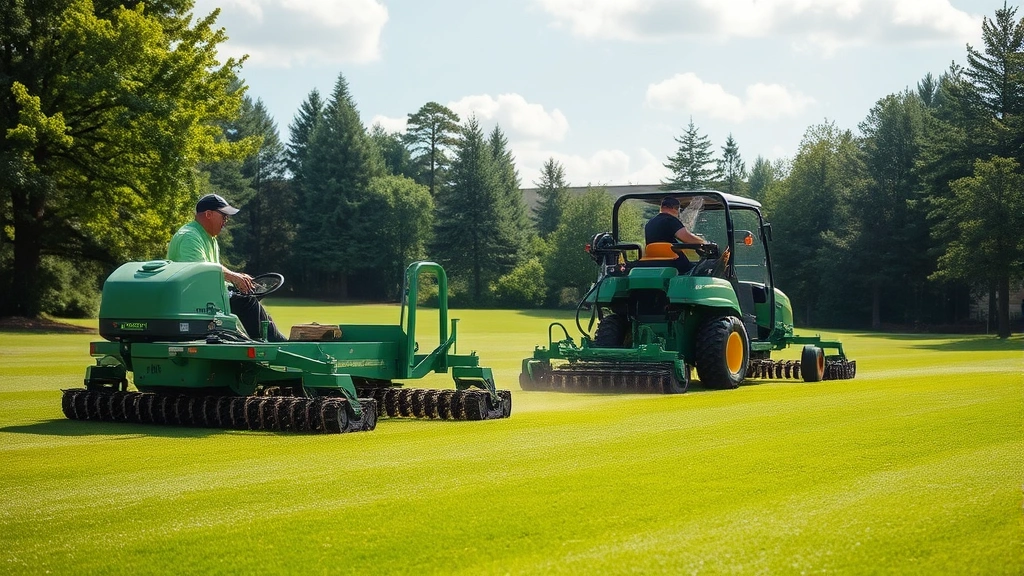
Aeration represents another cornerstone of turf management excellence. Regular aeration improves soil structure, enhances water infiltration, reduces thatch accumulation, and promotes deeper root development. Most courses implement aeration schedules two to four times annually, adjusting frequency based on traffic patterns and seasonal considerations. Topdressing with quality sand and organic matter following aeration further improves soil conditions and supports healthy turf growth.
Fertilization programs must balance nutrient needs with environmental responsibility. Modern course managers utilize soil testing to determine precise nutrient requirements rather than applying generic programs. This targeted approach reduces excess nutrient runoff while maintaining optimal turf quality. Nitrogen management proves particularly important, as excessive nitrogen promotes disease susceptibility and soft growth that doesn’t withstand traffic stress effectively.
For those interested in par 3 course management specifically, turf maintenance becomes even more critical since these shorter courses often experience higher traffic density on smaller areas. Intensive management practices and frequent monitoring become essential for maintaining playability.
Drainage and Water Management Systems
Effective drainage systems represent the backbone of consistent course conditioning and player satisfaction. Water management encompasses both preventing waterlogging through proper drainage infrastructure and efficiently delivering irrigation water during dry periods. Many courses struggle with playability issues that ultimately trace back to inadequate drainage design or maintenance.
Modern drainage systems typically combine surface drainage, subsurface tile drainage, and strategic grading to manage water movement effectively. Superintendents must understand their course’s topography and soil composition to identify problem areas prone to standing water. Preventive maintenance of drainage systems—including regular cleaning of catch basins, inspection of tile lines, and vegetation management in swales—ensures these systems function optimally throughout the season.
Irrigation system management has evolved significantly with technological advances. Smart irrigation controllers now utilize weather data, soil moisture sensors, and plant-based indicators to deliver precise water amounts exactly when needed. This precision reduces water consumption, minimizes disease pressure from excess moisture, and maintains consistent turf quality. As environmental concerns regarding water usage intensify, courses that implement efficient irrigation systems demonstrate both environmental stewardship and financial responsibility.
Equipment and Technology Investment
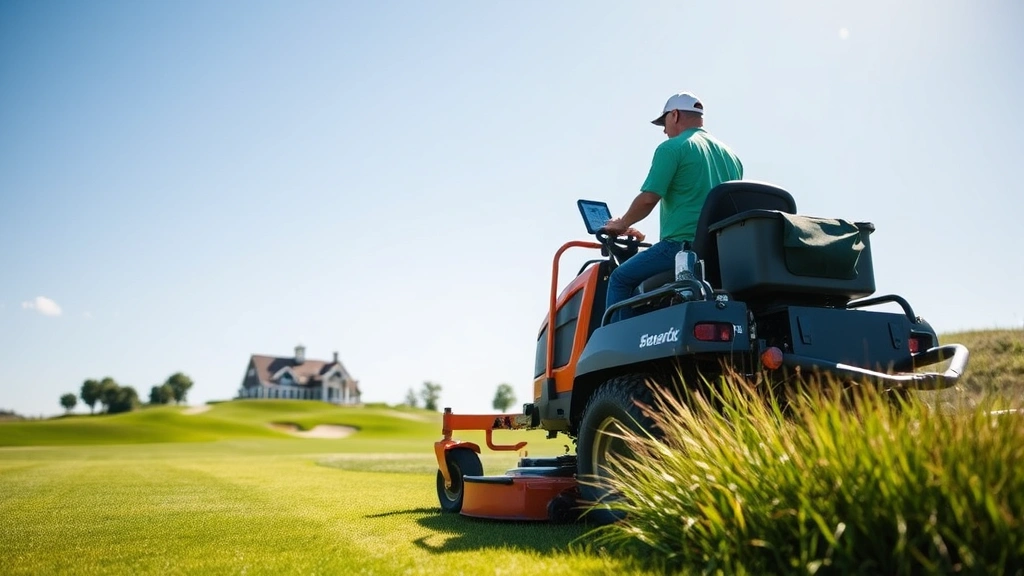
Strategic equipment investment directly impacts maintenance efficiency and course quality. A well-maintained fleet of mowing equipment, aerators, top dressers, and specialized maintenance machinery enables consistent conditioning and reduces labor costs. However, equipment decisions must balance capital investment against operational benefits and long-term maintenance expenses.
Modern course management increasingly incorporates GPS-guided equipment that reduces overlap, ensures consistent mowing patterns, and gathers valuable data about course conditions. Drones provide aerial surveillance capabilities for monitoring turf health, identifying problem areas, and documenting course conditions. Soil moisture sensors and weather stations supply real-time data that informs irrigation and maintenance decisions, transforming course management from intuition-based to data-driven practices.
Technology integration extends beyond field equipment to management software systems. Comprehensive course management platforms track maintenance activities, equipment service schedules, labor hours, and cost data. This information enables managers to identify inefficiencies, optimize resource allocation, and demonstrate value to ownership through detailed performance metrics and financial reporting.
Staffing and Team Development
Exceptional golf courses are built by exceptional teams. Recruiting, training, and retaining skilled maintenance personnel represents one of the most important responsibilities of course management. The maintenance staff directly influences daily course conditions, and their expertise, work ethic, and attention to detail determine whether a course achieves championship-level quality or merely adequate playability.
Effective course managers invest in staff development through ongoing training programs, professional certifications, and clear career advancement pathways. Many superintendents encourage staff members to pursue 5 hour course certifications and other professional development opportunities. Competitive compensation, positive working conditions, and recognition of exceptional performance help courses attract and retain top talent in an increasingly competitive labor market.
Team communication and coordination prove essential for executing complex maintenance programs. Daily briefings about course conditions, planned maintenance activities, and weather forecasts ensure all staff members understand priorities and work cohesively toward shared goals. Many courses implement weekly planning meetings where the superintendent reviews upcoming maintenance projects, discusses any issues from the previous week, and solicits input from experienced crew members who often identify problems before they become serious.
Budget Planning and Financial Management
Sustainable course management requires sound financial planning and disciplined budget execution. Successful managers develop comprehensive annual budgets that account for routine maintenance, equipment replacement, capital improvements, and contingency reserves for unexpected challenges. Understanding the relationship between maintenance investment and course quality helps managers justify expenditures to ownership and board members.
Cost tracking and analysis provide valuable insights into operational efficiency. Comparing actual expenses against budgeted amounts, analyzing cost-per-round metrics, and benchmarking against similar courses helps identify areas for potential savings or necessary increases. Many courses discover that strategic investment in equipment or personnel actually reduces overall costs by improving efficiency and reducing emergency repairs.
When exploring best golf courses in Wisconsin, you’ll notice that facilities with strong financial management typically demonstrate superior course conditions. Adequate budgets enable courses to invest in quality equipment, attract skilled personnel, and implement best-practice maintenance programs that produce championship-level results.
Player Experience and Course Conditioning
Ultimately, golf course management success depends on delivering an exceptional player experience. Course conditioning directly influences player satisfaction, with consistent fairway quality, well-maintained rough, firm and fast greens, and playable bunkers topping golfers’ priority lists. Understanding player preferences while maintaining agronomic soundness requires balancing sometimes competing objectives.
Fairway conditioning involves maintaining appropriate mowing heights, consistent density, and healthy vigor throughout the season. Golfers expect fairways to provide good lies for approach shots while maintaining visual appeal. Rough management presents different challenges—rough must be playable enough that wayward shots remain recoverable while maintaining definition from fairways and providing aesthetic contrast.
Green conditioning represents the most visible and most scrutinized aspect of course management. Golfers quickly notice variations in green speed, surface consistency, and firmness. Professional course managers use stimp meters to measure green speed consistently and maintain target speeds appropriate for their course’s design and player skill levels. Consistent maintenance routines—including regular cutting, topdressing, rolling, and occasional aerification—produce the firm, fast, consistent putting surfaces that golfers expect.
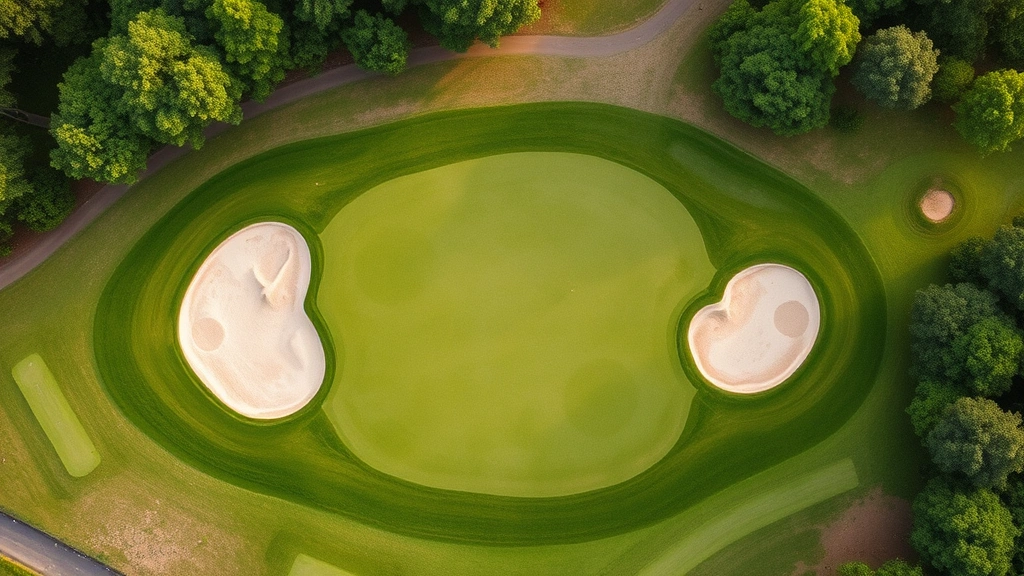
Bunker management, though sometimes overlooked, significantly impacts player experience and course aesthetics. Properly constructed bunkers with consistent sand depth, adequate drainage, and appropriate firmness provide fair hazards that challenge skilled golfers without frustrating average players. Regular bunker raking, sand replacement, and edge maintenance keep bunkers in playable condition.
Environmental Sustainability Practices
Modern golf course management increasingly emphasizes environmental stewardship and sustainable practices. Courses operate in natural environments and have responsibilities to minimize negative ecological impacts while preserving habitat and natural resources. Progressive managers recognize that sustainability and excellence are complementary rather than conflicting objectives.
Integrated pest management programs reduce pesticide usage by emphasizing cultural practices, disease-resistant grass varieties, and biological controls. Careful monitoring allows managers to treat only when pest populations exceed economically damaging thresholds, reducing unnecessary chemical applications. This approach protects environmental quality while often reducing input costs.
Wildlife habitat management and native plant preservation demonstrate environmental commitment while enhancing course aesthetics. Many courses have restored native vegetation in non-play areas, established pollinator gardens, and implemented practices that support bird populations and other wildlife. These initiatives improve ecological health while creating attractive landscape features that golfers appreciate.
Water conservation represents another critical sustainability focus. Efficient irrigation systems, appropriate grass species selection, and soil management practices that enhance water retention reduce overall water consumption. Rainwater harvesting systems and reclaimed water utilization further reduce demands on municipal water supplies. These practices demonstrate environmental responsibility while addressing concerns about golf’s water usage in water-scarce regions.
Chemical reduction through organic inputs and biological alternatives protects environmental quality and worker health. Compost applications, seaweed extracts, and beneficial microbe inoculants support soil health and plant vigor while reducing synthetic chemical dependence. Many courses have achieved excellent results while substantially reducing their chemical footprint.
FAQ
What qualifications should a golf course superintendent possess?
Leading superintendents typically hold degrees in turf management, agronomy, or horticulture and pursue Certified Golf Course Superintendent credentials through the Golf Course Superintendents Association of America. Practical experience, continuing education, and demonstrated expertise in turf science are essential qualifications.
How often should golf course greens be aerated?
Most courses aerate greens two to four times annually, with timing adjusted based on grass type, traffic patterns, and local climate. Cool-season grass courses typically aerate in spring and fall, while warm-season grass courses may aerate during growing season when recovery is rapid.
What is the ideal green speed for a golf course?
Green speeds vary by course design and player skill level, but stimp readings between 10 and 13 feet accommodate most golfers comfortably. Championship courses may maintain faster speeds around 13-14 feet, while courses emphasizing playability may maintain speeds around 10-11 feet.
How can courses reduce water consumption?
Efficient irrigation systems with soil moisture sensors, weather-based controllers, and smart scheduling reduce water usage significantly. Selecting drought-tolerant grass varieties, improving soil structure through organic matter additions, and strategic mulching in landscape areas further conserve water.
What are the main challenges in golf course management?
Common challenges include managing labor costs and availability, balancing maintenance budgets against desired conditioning standards, addressing climate and weather variability, controlling disease and pest pressures, and meeting increasingly stringent environmental regulations while maintaining playability.
How do top courses like Birkdale Golf Course maintain championship quality?
Championship courses invest substantially in qualified personnel, advanced equipment, rigorous maintenance protocols, and continuous improvement initiatives. They prioritize course conditioning above cost considerations and implement best-practice agronomic programs supported by data analysis and expert consultation.
What role does technology play in modern course management?
Technology enables data-driven decision-making through soil moisture sensors, weather monitoring, GPS-guided equipment, and management software. Drones assess turf health, and irrigation controllers optimize water delivery. These tools improve efficiency and consistency while reducing environmental impact.


