Denver Golf Courses: Local Expert Insights on Wellshire and Beyond
Denver’s golf scene offers an impressive variety of courses that cater to players of all skill levels, from beginners just learning the game to seasoned veterans seeking championship-caliber challenges. The Mile High City sits at an elevation of 5,280 feet, which significantly impacts how golf is played here—the thinner air means your ball travels approximately 10-15% farther than at sea level, making Denver courses uniquely challenging and rewarding. Whether you’re a local looking to improve your game or a visitor wanting to experience Colorado’s finest fairways, understanding what Denver has to offer is essential.
The Denver Wellshire Golf Course stands as one of the city’s most beloved and accessible public courses, drawing golfers from across the region who appreciate its blend of playability and strategic design. This guide provides comprehensive insights into Denver’s top courses, with special focus on what makes Wellshire exceptional, along with expert recommendations for other outstanding venues in the area. We’ll explore course characteristics, difficulty levels, amenities, and what to expect when you visit.
Understanding Denver’s Elevation Advantage
Playing golf in Denver presents a unique advantage that attracts golfers worldwide: the high altitude effect on ball flight. At 5,280 feet above sea level, Denver’s thin atmosphere allows golf balls to travel significantly farther than at standard elevations. This phenomenon isn’t merely anecdotal—it’s grounded in physics. The reduced air density means less air resistance, allowing the ball to maintain velocity longer through its flight path.
This elevation advantage fundamentally changes course strategy and club selection. A shot that might require a 6-iron at sea level could necessitate an 8-iron in Denver. Understanding this dynamic is crucial for visiting golfers who may not be accustomed to altitude play. Local courses like Wellshire have been designed with this advantage in mind, with architects carefully considering how the altitude affects distances and shot selection. When exploring top golf courses in the US, Denver’s courses rank highly partly because of this distinctive characteristic.
Beyond distance advantages, elevation changes throughout courses add complexity to gameplay. Denver’s terrain varies significantly, with courses featuring both dramatic elevation changes and relatively flat layouts. Players must account for uphill and downhill shots, which further complicate distance calculations. This combination of altitude and topography creates engaging challenges that keep golfers returning.
Denver Wellshire Golf Course: A Local Favorite
The Denver Wellshire Golf Course represents public golf at its finest, offering an accessible yet challenging experience for the Denver community. Located in South Denver, this course has earned its reputation through consistent maintenance, reasonable pricing, and thoughtful course design that challenges golfers without frustrating them. The course welcomes approximately 40,000 rounds annually, making it one of Denver’s busiest public facilities.
Wellshire’s 18-hole layout stretches approximately 6,800 yards from the championship tees, with a course rating of 72.8 and slope rating of 131. These numbers indicate a moderately challenging course that suits intermediate to advanced players while remaining accessible to beginners. The par-72 layout features a balanced mix of par-3s, par-4s, and par-5s, ensuring variety throughout your round. For those interested in exploring top 100 golf courses in the US, understanding regional favorites like Wellshire provides valuable perspective on American golf diversity.
What distinguishes Wellshire from other Denver courses is its mature tree-lined fairways and strategic bunkering. The course was originally designed in 1938 and has undergone careful renovations that preserve its classic character while incorporating modern maintenance standards. Trees frame nearly every hole, providing aesthetic beauty and adding complexity to shot-making. Players must navigate around established oak and cottonwood trees that have matured over decades, creating narrow corridors on several holes.
The course’s conditioning is consistently excellent, with greens maintained at tournament standards despite public play volume. Wellshire’s superintendent oversees a dedicated grounds crew that ensures fairways remain lush and greens receptive to approach shots. This commitment to quality makes Wellshire competitive with private clubs in terms of playing conditions, while maintaining its public accessibility.
Signature Holes at Wellshire
Several holes at Wellshire exemplify strategic design excellence. The par-4 9th hole presents a dramatic uphill challenge with a tree-lined fairway that narrows significantly near the green. Players must balance aggressive positioning with the risk of finding trees on either side. The approach shot demands precision, as the green slopes away from the player, making it difficult to hold elevated approach shots.
The par-5 13th hole offers a risk-reward opportunity that appeals to golfers of varying abilities. This hole can be reached in two shots by longer hitters, but attempting the second shot requires carrying hazards. Conservative players can lay up and approach with a wedge, making par an achievable goal. This design philosophy—providing multiple strategic options—appears throughout the course.
The finishing holes at Wellshire provide dramatic conclusions to rounds. The par-4 18th plays uphill toward a green protected by bunkers and out-of-bounds stakes on the left. A well-struck approach shot that finds the green leaves manageable putting distances, while poor execution results in difficult recovery scenarios. This hole exemplifies how Wellshire uses elevation changes to create meaningful challenges.
Course Design and Layout Characteristics
Understanding course design principles helps golfers appreciate what they encounter at Denver courses. Wellshire and comparable Denver facilities employ design strategies that account for altitude, terrain, and playability considerations. Course architects working in Denver must balance creating challenging layouts with maintaining accessibility for public play.
Drainage represents a crucial design consideration in Denver’s semi-arid climate. Courses must manage occasional heavy rains that occur during afternoon thunderstorms, particularly in summer months. Wellshire’s design incorporates subtle slope changes that direct water away from greens and fairways, preventing the standing water issues that plague poorly designed courses in similar climates.
Bunker placement throughout Wellshire follows strategic principles rather than random distribution. Bunkers protect specific areas, creating defined landing zones for approach shots. This design approach teaches golfers to think strategically about course management. Rather than attempting to clear every hazard, skilled players learn to position their shots for optimal approach angles.
The balance between length and difficulty at Wellshire accommodates various player abilities. Multiple tee boxes allow golfers to select appropriate distances based on their skill levels. Forward tees reduce course length by approximately 800-1000 yards, making the course playable for high-handicap golfers and juniors while maintaining challenge for experienced players using championship tees.
Top Alternative Courses in the Denver Area
While Wellshire excels as Denver’s premier public course, several other excellent facilities deserve consideration. The Denver area offers surprising diversity in golf experiences, from championship-caliber private clubs to unique public layouts. When comparing options, consider your skill level, budget, and preferred course characteristics.
Cherry Creek Country Club represents the pinnacle of private club golf in Denver, though access requires membership or invitation. This Jack Nicklaus-designed course presents significant challenges with dramatic elevation changes and strategic water hazards. The course consistently ranks among Colorado’s most difficult layouts, with a slope rating exceeding 140 from championship tees.
Bear Dance Golf Club offers a premium public experience in nearby Larkspur, approximately 30 minutes north of downtown Denver. This course features dramatic mountain views, challenging elevation changes, and impeccable conditioning. The design by Pete Dye incorporates natural terrain effectively, creating a course that feels integrated into its environment rather than imposed upon it. Bear Dance commands higher green fees than Wellshire but provides a championship-caliber experience.
Inverness Golf Club serves as another excellent private option, known for hosting USGA championships and maintaining tournament-grade conditions year-round. The course features traditional Scottish-inspired design with rolling terrain and strategic bunkering. While not open to public play, understanding Inverness helps contextualize Denver’s golf hierarchy.
For budget-conscious golfers, Overland Golf Course provides excellent value in South Denver. This shorter, par-69 layout suits beginners and those seeking quick rounds without overwhelming difficulty. The course’s compact design makes it ideal for junior development and improving fundamental skills. When exploring golf course options in other regions, comparing them with Denver’s diverse offerings provides perspective on how communities develop golf infrastructure.
Seasonal Considerations and Weather Patterns
Denver’s golf season extends longer than many American regions due to the city’s 300 days of annual sunshine and relatively mild winters. However, understanding seasonal variations helps golfers plan optimal visit times and prepare appropriately for conditions.
Spring (March-May) brings improving conditions as temperatures warm and courses recover from winter dormancy. April typically presents the most variable weather, with afternoon thunderstorms possible. Greens firm up as the season progresses, rewarding precise shot-making. Spring proves ideal for visiting golfers seeking pleasant conditions without summer heat.
Summer (June-August) features warm temperatures and occasional afternoon thunderstorms, particularly in July and August. The intense Denver sun at high altitude increases UV exposure, making sunscreen essential. Courses remain in excellent condition, with lush growth and firm greens. Early morning tee times help avoid afternoon storms and extreme heat.
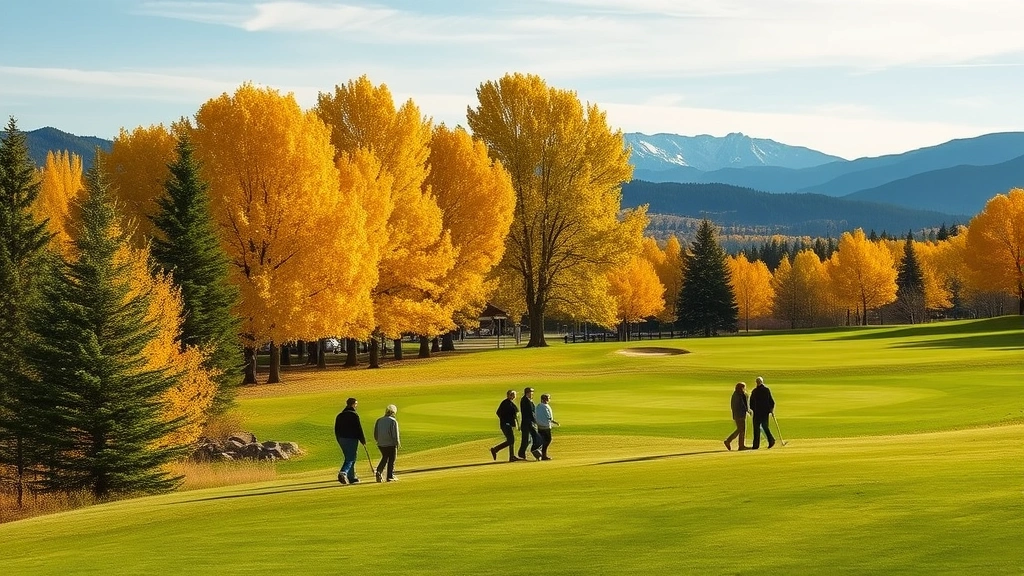
Fall (September-November) offers perhaps Denver’s most pleasant golf conditions. Temperatures moderate, humidity decreases, and afternoon thunderstorms become less frequent. The landscape transforms with golden aspens and cottonwoods providing striking visual contrast. October represents peak season for many Denver courses.
Winter (December-February) presents variable conditions. While Denver’s latitude and relatively mild winters allow winter golf, courses may close temporarily following significant snow. When open, winter play requires different strategies—the thin air becomes even thinner in cold temperatures, further extending ball flight distances. Some golfers appreciate winter’s solitude and unique challenges.
Tips for Playing at High Altitude
Successfully playing Denver courses requires understanding and adapting to altitude-specific challenges. These practical strategies help visiting golfers and newcomers optimize their performance.
Club Selection Adjustments: Plan to use 1-2 clubs less than you normally would at sea level. A shot requiring a 5-iron at standard elevation might need a 7-iron in Denver. This adjustment becomes more significant for longer clubs. Experiment during practice sessions to establish your personal altitude-adjusted yardages.
Hydration: Denver’s low humidity and high altitude increase dehydration risk. Drink water throughout your round, even if you don’t feel particularly thirsty. The combination of altitude, sun exposure, and physical activity accelerates fluid loss. Proper hydration improves both performance and enjoyment.
Sunscreen and Protection: The high altitude means less atmospheric filtering of UV rays. Apply sunscreen with SPF 30 or higher before playing, and reapply after nine holes. Consider wearing a hat and sunglasses to reduce sun exposure and improve visibility, particularly in bright morning conditions.
Acclimatization: Visitors from lower elevations may experience mild altitude effects. Allowing a day or two for acclimatization before important rounds helps your body adjust. Adequate sleep, hydration, and avoiding excessive alcohol consumption facilitate faster acclimatization.
Shot-Making Strategy: Account for altitude in your course management decisions. Because the ball flies farther, hazards positioned at typical distances may be shorter than expected. Conversely, water hazards beyond normal distances still require clearing. Adjust your aggressive/conservative decision-making accordingly.
Equipment Considerations: Your equipment performs differently in Denver’s conditions. Golf balls travel farther, so equipment you use at sea level may require adjustment. Some golfers switch to lower-compression balls designed for altitude play. Experiment to find what works best for your swing.
Amenities and Facilities
Beyond the course itself, quality amenities significantly impact the overall golf experience. Wellshire and comparable Denver courses invest in facilities that support players’ needs before, during, and after their rounds.
Practice Facilities: Wellshire maintains an excellent practice range with target greens at various distances. The range accommodates both full-swing practice and short-game work. A dedicated chipping area and sand bunker help golfers refine techniques before rounds. These facilities prove invaluable for visitors unfamiliar with altitude effects on their swings.
Pro Shop: The Wellshire Pro Shop stocks quality equipment, apparel, and accessories. Professional staff provide expert advice on club fitting and equipment selection. The shop arranges lessons with PGA professionals who understand Denver’s unique golf characteristics. Rental clubs are available for visitors who prefer not to travel with equipment.
Food and Beverage: On-course beverage carts service players throughout their rounds, providing water, sports drinks, and light snacks. The clubhouse restaurant offers full dining options before and after play. Quality food service enhances the overall experience and provides necessary refueling during rounds.
Instruction: PGA professionals at Wellshire offer individual and group lessons emphasizing altitude-adjusted techniques. Junior programs develop young golfers’ skills while teaching course management and sportsmanship. Adult clinics address specific challenges like bunker play and long-iron technique.
Membership and Loyalty Programs: Wellshire’s membership options provide regular players excellent value. Non-resident memberships and flexible plans accommodate various preferences. Loyalty programs reward frequent play with benefits and discounts, making the course an economical choice for committed golfers.
When considering golf experiences in different regions, comparing amenities helps identify courses that best match your preferences and needs.
FAQ
What is the elevation of Denver Wellshire Golf Course?
Wellshire sits at approximately 5,280 feet elevation, Denver’s signature altitude. This elevation significantly affects ball flight, typically adding 10-15% to distance compared to sea-level courses. The altitude advantage makes Wellshire particularly rewarding for long hitters while still challenging for players of all abilities.
How difficult is Denver Wellshire compared to other Denver courses?
With a slope rating of 131, Wellshire presents moderate difficulty suitable for intermediate to advanced players. It’s more challenging than short executive courses like Overland but less demanding than championship layouts like Cherry Creek Country Club. The course’s design balances accessibility with strategic complexity.
What is the best time to visit Denver for golf?
Fall, particularly September and October, offers ideal conditions with moderate temperatures, low humidity, and minimal afternoon thunderstorms. Spring provides pleasant conditions with improving course quality. Summer requires managing heat and occasional storms, while winter offers solitude but variable conditions.
Do I need special equipment to play at Denver’s altitude?
While specialized altitude golf balls exist, standard equipment performs adequately with proper club selection adjustments. The primary adjustment involves using 1-2 clubs less than you would at sea level. Some golfers prefer lower-compression balls, but experimentation determines what works best for individual swings.
Can beginners play Denver Wellshire Golf Course?
Yes, Wellshire accommodates all skill levels through multiple tee boxes. Forward tees reduce course length significantly, making the course accessible to beginners. The course’s balanced design with varied hole types helps players develop diverse skills. Junior programs specifically support young golfers’ development.
How far in advance should I book a tee time at Wellshire?
Weekend and peak-season tee times may book 7-14 days in advance, particularly in fall. Weekday rounds often allow shorter notice. During winter months or early spring, same-day or next-day bookings may be available. Advance booking guarantees preferred tee times during busy periods.
What is the typical cost of playing Denver Wellshire Golf Course?
Green fees vary seasonally, with peak-season rates higher than off-season. Rates typically range from $45-$75 for 18 holes depending on day and season. Cart rental adds approximately $15-$20. Memberships provide significant savings for regular players, with various options accommodating different usage patterns.
Are there junior programs at Denver Wellshire?
Yes, Wellshire offers comprehensive junior programming including group lessons, competitive opportunities, and mentorship. These programs develop fundamental skills while emphasizing course etiquette and sportsmanship. Junior rates provide excellent value for families introducing children to golf.
How does Denver’s altitude affect putting?
Altitude affects putting less dramatically than full swings, as reduced air resistance matters less at short distances. However, the thinner air can slightly affect how the ball rolls on greens. More significantly, the altitude affects how your approach shots land and stop on greens, requiring adjustment in club selection for approach shots.
What should I know about Denver’s golf rules and etiquette?
Denver courses follow standard USGA rules with typical pace-of-play expectations. Most courses require golfers to maintain pace with the group ahead. Walking is encouraged on less-busy days, while carts are required during peak times. Repair ball marks, rake bunkers, and respect other players’ focus—standard etiquette applies.
Denver’s golf scene, anchored by excellent public courses like Wellshire and complemented by outstanding alternatives throughout the region, provides diverse opportunities for golfers of all abilities. The city’s elevation, climate, and course quality combine to create a distinctive golf experience that attracts players worldwide. Whether you’re a local seeking regular play or a visitor exploring Denver’s offerings, understanding what these courses provide helps you make informed decisions and maximize your enjoyment. For more information about golf instruction and improvement strategies, consider exploring educational resources for skill development that apply principles of deliberate practice and focused improvement to golf.


