
Golf Course Jobs: Industry Insights and Career Opportunities
The golf industry represents a significant employment sector that extends far beyond the professional tours most people recognize. With over 15,000 golf courses operating across North America alone, the industry creates diverse career pathways for individuals with varying skill levels, educational backgrounds, and professional aspirations. Whether you’re seeking a seasonal position, a management role, or a specialized career in golf course operations, understanding the landscape of golf course employment opportunities can help you identify positions that align with your goals and interests.
Golf course jobs span multiple disciplines, from turf management and equipment maintenance to hospitality, instruction, and executive leadership. The industry has evolved significantly over the past decade, with courses increasingly seeking professionals who understand sustainability practices, technology integration, and customer experience enhancement. This comprehensive guide explores the various employment opportunities available in the golf industry, the qualifications employers seek, compensation expectations, and strategies for advancing your career within this dynamic sector.
Types of Golf Course Employment Positions
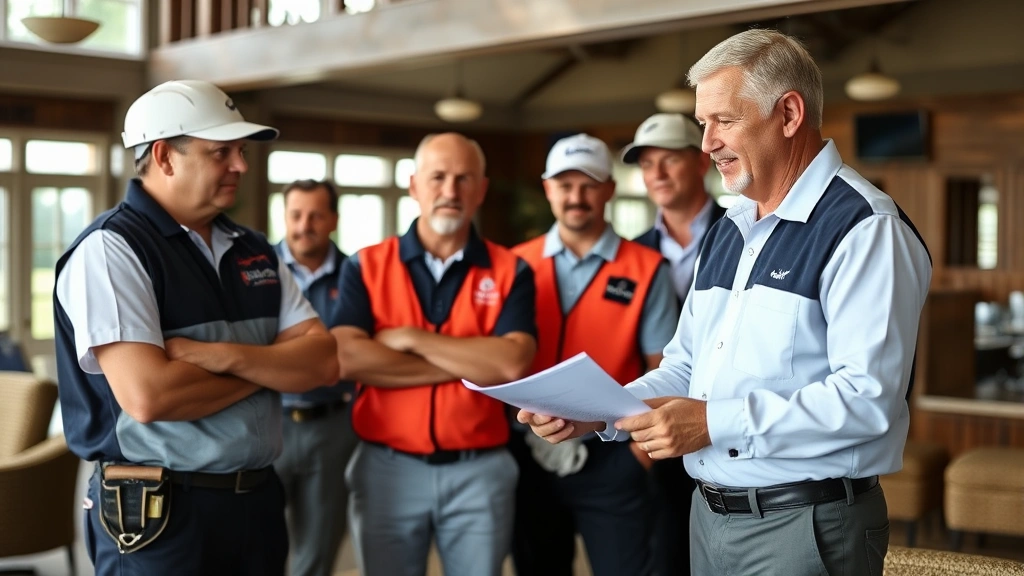
Golf course employment opportunities exist across multiple functional areas, each contributing to the overall operation and success of a facility. Understanding the different position categories helps job seekers identify roles that match their interests, experience, and career objectives. The golf industry employs professionals in technical, managerial, instructional, and service-oriented roles, creating a comprehensive ecosystem of career possibilities.
Seasonal positions form the backbone of many golf course operations, particularly in regions with distinct seasonal variations. These roles typically include grounds crew members, cart attendants, beverage cart operators, and temporary pro shop staff. Seasonal employment provides excellent entry points for individuals new to the industry and offers flexibility for students or those seeking supplemental income. Many seasonal employees transition into year-round positions after demonstrating competence and commitment.
Full-time permanent positions represent the career core of golf course employment. These include head groundskeepers, course superintendents, golf professionals, head chefs, general managers, and executive leadership roles. Permanent positions offer job stability, comprehensive benefits packages, professional development opportunities, and clear pathways for career advancement. Individuals in permanent roles often develop deep expertise in their specialized areas and become invaluable assets to their organizations.
Contract positions have become increasingly common in the golf industry, particularly in specialized areas like consulting, instruction, equipment service, and facilities management. Contract workers often bring specialized expertise to courses for defined periods, addressing specific needs such as course renovations, technology implementations, or specialized training programs. These positions offer flexibility and variety for professionals who prefer diverse work environments.
[IMAGE_1]
Turf Management and Maintenance Careers
Turf management represents one of the largest employment sectors within the golf industry, encompassing the specialized professionals responsible for maintaining course conditions. A career in turf management offers significant opportunities for individuals passionate about horticulture, equipment operation, and environmental stewardship. The Golf Course Superintendents Association of America reports that demand for qualified turf professionals continues to exceed supply, creating favorable employment conditions.
The head groundskeeper or course superintendent occupies the highest turf management position on most courses. This role requires extensive knowledge of turfgrass biology, soil science, pest management, irrigation systems, and equipment maintenance. Course superintendents manage budgets ranging from hundreds of thousands to millions of dollars, oversee teams of groundskeeping staff, and make strategic decisions affecting course playability and environmental sustainability. Entry-level professionals typically require a degree in turfgrass management or horticulture and several years of field experience before advancing to superintendent positions.
Assistant groundskeepers work under superintendent direction to maintain fairways, greens, roughs, and specialized areas. These positions require knowledge of equipment operation, pest identification, fertilization techniques, and irrigation management. Many assistant groundskeepers pursue certification through the GCSAA certification program, which enhances career prospects and earning potential. Assistant positions provide valuable training grounds for individuals aspiring to superintendent roles.
Grounds crew members perform day-to-day maintenance tasks including mowing, edging, raking, debris removal, and basic equipment maintenance. These positions offer accessible entry points for individuals new to the golf industry without requiring specialized education. Crew members who demonstrate initiative, reliability, and interest in advancing can transition into supervisory or specialized roles. Many courses provide on-the-job training and encourage crew members to pursue formal certifications.
Specialized turf positions have emerged as courses increasingly focus on sustainability and technology integration. Irrigation specialists manage complex automated watering systems, optimizing water usage while maintaining optimal playing conditions. Equipment technicians maintain and repair the sophisticated machinery essential to course operations. Environmental stewards implement sustainability initiatives, manage integrated pest management programs, and oversee native habitat restoration projects. These specialized roles typically offer higher compensation than general maintenance positions and require specific technical expertise.
Golf Operations and Management Roles
Golf operations management encompasses positions responsible for the overall business operations and strategic direction of golf facilities. These roles appeal to individuals with business acumen, leadership capabilities, and passion for the golf industry. PGA career resources indicate that operations management represents one of the fastest-growing employment categories in professional golf.
The general manager holds ultimate responsibility for all course operations, including financial performance, staff management, member relations, and strategic planning. General managers work with ownership to establish facility goals, oversee all departments, and ensure member or public satisfaction. This role requires extensive industry experience, strong business acumen, and often involves membership in professional organizations like the Club Managers Association of America. General manager compensation varies significantly based on facility type, location, and revenue generation, with established professionals earning six-figure salaries.
Golf course directors or head golf professionals oversee all golf-related operations, including the pro shop, instruction programs, tournaments, and player services. These positions require PGA membership or equivalent professional golf credentials. Head professionals manage budgets, develop instruction programs, supervise teaching professionals, and ensure member satisfaction. PGA membership typically requires completing specific educational requirements and passing comprehensive examinations.
Head pro shop managers oversee retail operations, inventory management, and customer service. These positions require retail management experience, golf product knowledge, and customer service excellence. Pro shop managers develop merchandise strategies, train staff, and contribute to facility revenue through retail sales and service offerings. This role provides excellent preparation for advancement into broader golf course management positions.
Membership or business development managers focus on growing the member or public player base. These professionals develop marketing strategies, manage member communications, handle retention initiatives, and identify revenue growth opportunities. Positions in this area appeal to individuals with strong interpersonal skills, marketing experience, and entrepreneurial mindsets. Success in membership development often leads to broader management responsibilities.

Instruction and Player Development Positions
Golf instruction represents a rewarding career path for skilled golfers seeking to share their passion and expertise. Instructional positions range from part-time teaching professionals to full-time academy directors, offering diverse opportunities for individuals at various career stages. The PGA of America instruction programs provide comprehensive resources for aspiring teaching professionals.
PGA teaching professionals deliver golf instruction to members, public players, and students of varying skill levels. Teaching professionals develop personalized instruction plans, utilize video analysis and launch monitor technology, and help students improve their games. Many teaching professionals specialize in specific areas such as junior development, women’s golf, or competitive coaching. Compensation varies based on membership status, facility type, and teaching volume, with successful teaching professionals earning substantial incomes through hourly rates, lesson packages, and tournament preparation fees.
Junior golf program directors oversee comprehensive development programs for young golfers. These positions require strong instructional skills, youth development expertise, and organizational capabilities. Program directors design curricula, manage instructor teams, organize tournaments and competitions, and track player progress. Growing interest in junior golf development has created increased demand for qualified program directors across private clubs and public facilities.
Golf academy directors operate comprehensive instruction facilities offering group classes, private lessons, and specialized training programs. Academy directors manage facilities, develop curriculum, hire and supervise instructors, and market programs to target audiences. Successful academy directors combine teaching expertise with business management skills. Academy positions appeal to entrepreneurial professionals seeking to build their own golf instruction businesses.
Swing coaches and biomechanics specialists represent emerging positions as courses increasingly invest in advanced player development technology. These specialists utilize launch monitors, motion capture technology, and biomechanical analysis to optimize player performance. Positions in this area typically require advanced certifications and technical expertise, commanding premium compensation in the golf instruction market.
Hospitality and Customer Service Opportunities
Golf course hospitality positions create the customer experience that determines member and player satisfaction. These roles appeal to individuals passionate about service excellence, food and beverage operations, and creating memorable experiences. When exploring par 3 courses near you, you’ll discover many employ diverse hospitality professionals.
Food and beverage directors oversee all dining operations, including the clubhouse restaurant, grill room, beverage service, and catering programs. F&B directors manage budgets, supervise kitchen and serving staff, develop menus, and ensure food quality and service standards. These positions require food service management experience, culinary knowledge, and customer service expertise. Successful F&B directors significantly impact member satisfaction and facility profitability through quality operations and revenue generation.
Executive chefs and sous chefs manage kitchen operations and menu development. Golf course culinary positions appeal to trained chefs seeking stable employment with creative opportunities. Head chefs develop seasonal menus, manage food costs, supervise kitchen staff, and maintain health and safety standards. Culinary careers in golf offer excellent compensation, professional stability, and opportunities to work with quality ingredients and appreciative clientele.
Beverage cart attendants provide on-course service, delivering refreshments to players during their rounds. These positions, often seasonal or part-time, offer accessible entry points into the golf industry. Beverage cart attendants develop customer service skills, learn golf operations, and frequently transition into other roles within golf course employment. This position represents an ideal starting point for individuals exploring golf industry careers.
Front desk and administrative staff manage member communications, reservations, billing, and facility operations. These positions require strong organizational skills, customer service excellence, and proficiency with golf management software systems. Administrative roles provide opportunities to learn all aspects of golf course operations while building professional skills applicable throughout the industry.
Qualifications and Training Requirements
Golf course employment qualifications vary significantly based on position level and specialization. Understanding these requirements helps job seekers develop appropriate career paths and pursue necessary credentials. Educational and certification requirements have become increasingly important as the industry professionalizes and specializes.
Entry-level positions typically require high school education, customer service skills, and basic physical capabilities. Seasonal grounds crew and beverage service positions welcome individuals with minimal prior experience, providing on-the-job training and skill development. These positions offer ideal starting points for individuals exploring golf industry careers without specialized education.
Mid-level positions such as assistant groundskeeper, head pro shop manager, or junior instruction specialist often require some college education or industry-specific certifications. The GCSAA offers certification programs for groundskeeping professionals, while the PGA provides credentials for teaching professionals. These certifications demonstrate competence and commitment, enhancing career prospects and earning potential.
Senior positions including course superintendent, head professional, general manager, and F&B director typically require bachelor’s degrees in relevant fields such as turfgrass management, business administration, hospitality management, or golf management. Advanced positions often require 5-10 years of progressive experience and professional certifications. Many universities now offer specialized golf management programs specifically designed to prepare professionals for leadership positions in the industry.
Professional certifications carry significant weight in golf course employment. The GCSAA Certified Golf Course Superintendent designation represents the turf management profession’s highest credential. PGA membership provides credentialing for teaching professionals. The Club Managers Association of America offers certifications for facility managers. These credentials require documented experience, passing examinations, and continuing education commitments.
Compensation and Benefits Overview
Golf course employment compensation varies widely based on position type, facility classification, geographic location, and experience level. Understanding compensation ranges helps job seekers evaluate opportunities and plan career progression. When researching opportunities like those at golf courses in Wisconsin, compensation varies by facility type and market conditions.
Entry-level positions including grounds crew members, beverage cart attendants, and pro shop associates typically earn $25,000-$35,000 annually for full-time work, or $15-$18 per hour for seasonal positions. These positions often include benefits such as golf privileges, meals, and uniforms. Seasonal positions provide flexible income supplements for students and individuals seeking part-time work.
Mid-level positions including assistant groundskeepers, junior instructors, and supervisory roles typically earn $35,000-$55,000 annually. These positions frequently include comprehensive benefits packages including health insurance, retirement plans, and golf privileges. Career development opportunities and advancement pathways make mid-level positions attractive for individuals committed to golf industry careers.
Senior positions including course superintendents, head professionals, and operations managers typically earn $65,000-$120,000 annually, with successful professionals at prestigious facilities earning significantly more. Senior positions include comprehensive benefits, often including housing allowances, country club memberships, and performance bonuses. Compensation at this level reflects the significant responsibility, expertise, and experience required.
Executive positions including general managers and directors at premier facilities command $120,000-$300,000+ annually, with compensation varying dramatically based on facility prestige, revenue generation, and market conditions. Executive compensation often includes performance bonuses, profit-sharing arrangements, and comprehensive executive benefits. These positions appeal to experienced professionals seeking substantial earning potential and significant responsibility.
Benefits packages typically include golf course privileges, discounted lessons, equipment discounts, and staff meals. Many facilities offer health insurance, retirement contributions, paid time off, and professional development support. Compensation and benefits at private clubs often exceed those at public courses and municipal facilities, reflecting different operational models and member expectations.
Career Advancement Strategies
Successful golf industry careers require strategic planning, continuous learning, and intentional networking. Professionals who approach their careers systematically advance more rapidly and achieve greater success. Understanding advancement pathways helps individuals make informed decisions about education, certifications, and position selections.
Pursuing professional certifications accelerates career advancement and earning potential. GCSAA certification for groundskeeping professionals, PGA credentials for instructors, and CMAA certifications for managers demonstrate competence and commitment. Certification programs require documented experience and passing examinations, representing meaningful achievements that employers value highly. Continuing education requirements associated with certifications ensure professionals maintain current knowledge throughout their careers.
Building industry networks creates opportunities for career advancement and professional growth. Professional associations including the GCSAA, PGA, and CMAA provide networking opportunities, educational resources, and job boards. Attending industry conferences, participating in local chapter meetings, and engaging with professional communities builds relationships that facilitate career transitions and advancement. Mentorship relationships with experienced professionals accelerate learning and create pathways to senior positions.
Seeking progressive responsibility within organizations develops the skills necessary for advancement. Professionals who volunteer for challenging projects, demonstrate initiative, and take on expanded roles position themselves for promotion. Expressing interest in advancement to supervisors and creating development plans ensures organizational awareness of career aspirations. Many facilities invest in developing talent from within, creating clear pathways for motivated professionals.
Considering lateral moves across golf positions broadens experience and creates advancement opportunities. A groundskeeping professional might transition into course management, while an instruction professional might move into operations or business development. Diverse experience enhances leadership capabilities and creates competitive advantages for senior positions. Professionals with broad golf industry knowledge understand multiple operational areas and make more effective leaders.
Geographic mobility often accelerates career advancement. Professionals willing to relocate for positions at premier facilities, in competitive markets, or with prestigious organizations typically advance more rapidly. Each position change provides opportunities to learn from different management philosophies, operational approaches, and industry leaders. Building experience across diverse facilities enhances professional credibility and creates broader networks.
Investing in education supports career advancement and earning potential. Pursuing degrees in golf management, business administration, or related fields positions professionals for senior leadership roles. Many universities now offer specialized golf management programs combining business education with golf industry-specific knowledge. Part-time and online programs accommodate working professionals seeking educational advancement without leaving their positions.
When exploring opportunities at facilities like those featured in discussions about Hawaiian golf courses, professionals discover how geographic and environmental factors influence operations. Understanding diverse operational contexts broadens professional perspectives and enhances career flexibility. Professionals who work across different facility types, climates, and operational models develop comprehensive industry knowledge.
FAQ
What education do I need for golf course employment?
Education requirements depend on position level. Entry-level positions require high school education, while supervisory roles typically require some college education or industry certifications. Senior positions usually require bachelor’s degrees in turfgrass management, business administration, or golf management. Professional certifications from organizations like GCSAA and PGA significantly enhance career prospects regardless of formal education.
How much do golf course jobs pay?
Compensation varies significantly by position and experience. Entry-level positions earn $25,000-$35,000 annually or $15-$18 hourly. Mid-level positions earn $35,000-$55,000, while senior positions earn $65,000-$120,000 or more. Executive positions at premier facilities may exceed $300,000 annually. Benefits typically include golf privileges, health insurance, and retirement contributions.
Are golf course jobs seasonal?
Many golf course positions are seasonal, particularly in regions with winter weather. Grounds crew, beverage cart, and pro shop positions frequently operate seasonally. However, many facilities maintain year-round operations with permanent staff. Seasonal positions offer flexibility and income supplements, while permanent positions provide job stability and comprehensive benefits.
What certifications help advance golf industry careers?
Key certifications include GCSAA Certified Golf Course Superintendent for groundskeeping professionals, PGA credentials for instructors and golf professionals, and CMAA certifications for club managers. These certifications require documented experience, passing examinations, and continuing education. Certifications demonstrate competence, enhance earning potential, and accelerate career advancement.
How do I transition into golf management positions?
Advance through progressive positions, pursuing relevant education and certifications along the way. Seek supervisory opportunities, volunteer for challenging projects, and demonstrate initiative. Build professional networks through industry associations. Consider pursuing degrees in golf management or business administration. Geographic mobility to premier facilities accelerates advancement. Mentorship relationships with experienced managers facilitate transitions into management roles.
What skills are most valuable in golf course employment?
Customer service excellence, attention to detail, and communication skills apply across all positions. Technical skills vary by role—turf professionals need horticulture knowledge, instructors need golf expertise and teaching ability, and managers need business and leadership skills. Physical capability, reliability, and willingness to learn benefit all golf industry professionals. Specialized technical skills in areas like irrigation systems, golf management software, and biomechanics command premium compensation.
Can I advance from entry-level to management positions?
Yes, many golf professionals advance from entry-level positions to senior roles through consistent performance, education, and intentional career planning. Pursuing certifications, seeking progressive responsibility, and building professional networks facilitate advancement. Many facilities develop talent internally, promoting capable employees into supervisory and management roles. Commitment to continuous learning and professional development enables significant career progression over time.
What are the best golf industry professional associations?
Key organizations include the Golf Course Superintendents Association of America (GCSAA) for turf professionals, the Professional Golfers’ Association (PGA) for instructors and golf professionals, the Club Managers Association of America (CMAA) for facility managers, and the National Golf Foundation (NGF) for industry research and information. These associations provide networking, education, certifications, and job resources.
Golf course employment offers diverse career opportunities for individuals with varying interests, skill levels, and educational backgrounds. From entry-level seasonal positions to executive leadership roles, the industry provides pathways for career growth and professional development. By understanding available positions, pursuing relevant education and certifications, building professional networks, and approaching career development strategically, professionals can build rewarding, sustainable careers in the golf industry. Whether you’re starting your golf career journey or seeking advancement in an established position, the industry welcomes dedicated professionals committed to excellence and continuous improvement.


