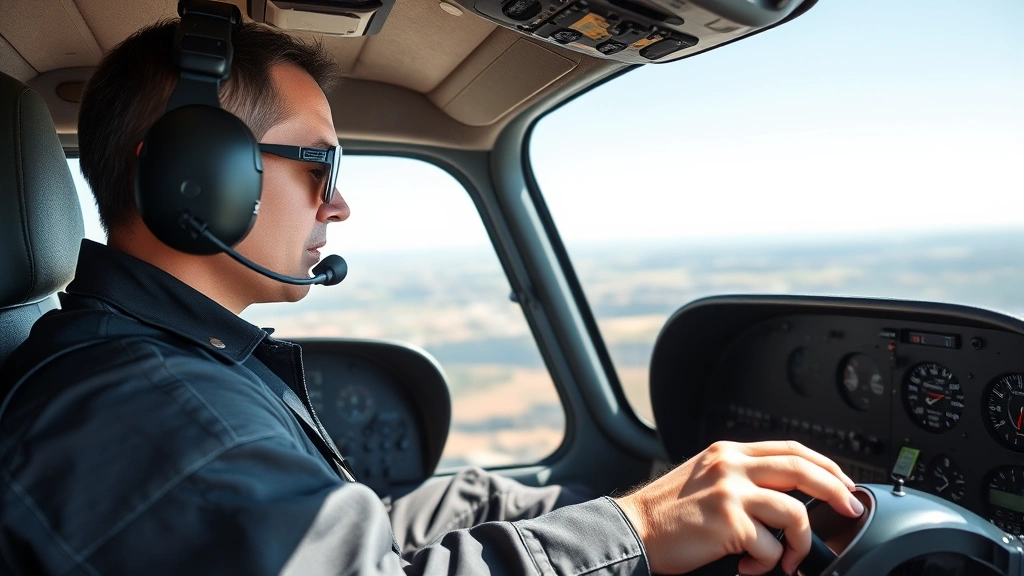
Helicopter Pilot Course: Expert Insights and Complete Training Guide
Becoming a helicopter pilot represents one of the most challenging yet rewarding career paths in aviation. Unlike fixed-wing aircraft, helicopters demand specialized knowledge, exceptional spatial awareness, and mastery of unique control systems that operate under fundamentally different principles. A comprehensive helicopter pilot course serves as the gateway to this elite profession, combining rigorous ground school instruction with intensive practical flight training.
The journey toward earning your helicopter pilot license involves understanding multiple certification levels, accumulating significant flight hours, and developing the mental resilience required for one of aviation’s most demanding roles. Whether you’re pursuing this career for commercial purposes, emergency medical services, law enforcement, or military applications, understanding the structure and requirements of helicopter pilot training is essential. This guide explores the critical components of helicopter pilot courses, training timelines, costs, and career prospects based on current industry standards and expert recommendations.
If you’re exploring professional development opportunities, consider exploring online courses for lifelong learning to supplement your aviation education with complementary skills.
Understanding Helicopter Pilot Certification Levels
The Federal Aviation Administration (FAA) establishes three primary certification levels for helicopter pilots, each building upon the previous tier. Understanding these distinctions helps aspiring pilots chart their educational trajectory and set realistic career goals.
Private Pilot License (PPL) represents the foundational certification, allowing pilots to operate helicopters for personal use but prohibiting compensation for flight services. This certification requires minimum 60 flight hours (though most students accumulate 70-100 hours before meeting checkride standards), comprehensive ground school instruction, and successful completion of written, oral, and practical examinations. Private pilot training focuses on fundamental helicopter aerodynamics, emergency procedures, navigation, and basic aircraft systems.
Commercial Pilot License (CPL) enables pilots to accept compensation for helicopter operations, making it essential for those pursuing aviation careers. The FAA mandates minimum 150 total flight hours, including specific hour requirements for cross-country, night, and instrument flying. Commercial pilot training emphasizes advanced decision-making, complex emergency management, and professional-level operational standards. Many instructors note that commercial certification demands significantly more refined skills than private certification.
Airline Transport Pilot (ATP) represents the highest certification level, required for pilot-in-command positions at major helicopter operators and certain commercial entities. ATP certification requires 1,500 total flight hours and demonstrates mastery of complex helicopter operations, advanced aeronautical knowledge, and exceptional judgment under high-stress conditions. While less common in helicopter operations than in fixed-wing aviation, ATP certification opens doors to premium commercial opportunities.
Learn more about structured educational pathways by reviewing our best online learning websites for supplementary aviation theory courses.
Ground School Requirements and Curriculum
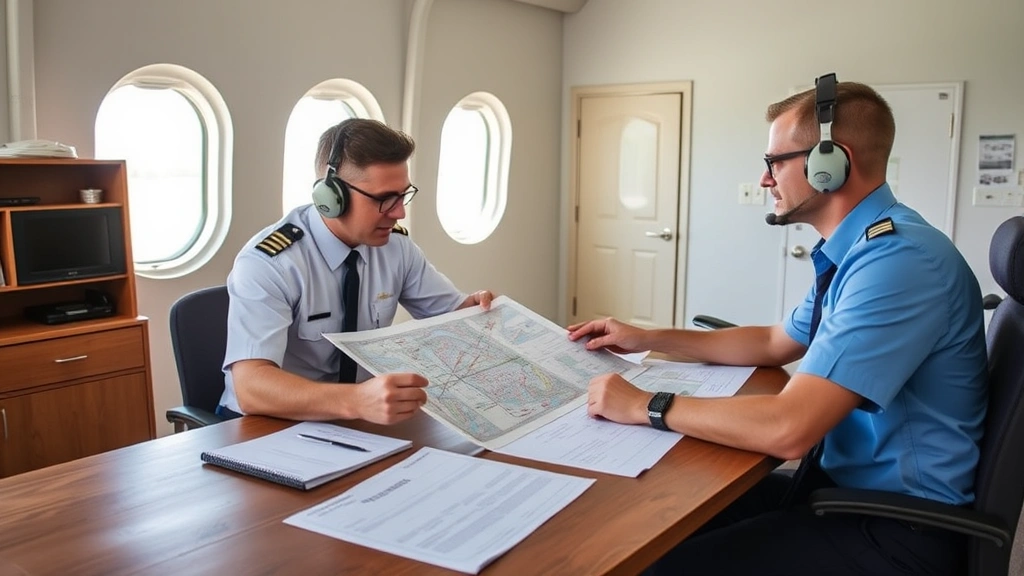
Ground school forms the intellectual foundation of helicopter pilot training, providing essential aeronautical knowledge that pilots apply during flight operations. Modern ground school instruction combines classroom lectures, computer-based learning modules, and interactive simulations to accommodate diverse learning styles.
Core Ground School Subjects include helicopter aerodynamics and physics, which explain how rotor systems generate lift and control forces differently from fixed-wing aircraft. Understanding dissymmetry of lift, translational lift, and gyroscopic precession proves critical for safe helicopter operations. Students study aircraft systems including engine operations, fuel systems, hydraulic systems, electrical systems, and anti-torque systems that distinguish helicopters from conventional aircraft.
Navigation and flight planning instruction covers chart interpretation, weather analysis, airspace classification, and flight plan filing procedures. Federal Aviation Regulations (FARs) instruction ensures pilots understand operational limitations, airworthiness requirements, and legal responsibilities. Meteorology courses address weather pattern recognition, atmospheric conditions affecting helicopter performance, and decision-making frameworks for weather-related flight cancellations.
Human factors and aeronautical decision-making (ADM) instruction addresses the psychological and physiological aspects of flight operations. This increasingly emphasized component recognizes that pilot error—not mechanical failure—causes most aviation accidents. Ground school instructors emphasize risk assessment, stress management, fatigue recognition, and decision-making frameworks that prioritize safety over schedule pressure.
Ground school duration typically spans 40-80 hours depending on the flight school and whether instruction occurs full-time or part-time. Many schools offer online ground school components, allowing students to progress at their own pace while maintaining flexibility for flight training scheduling.
Flight Training Hours and Progression
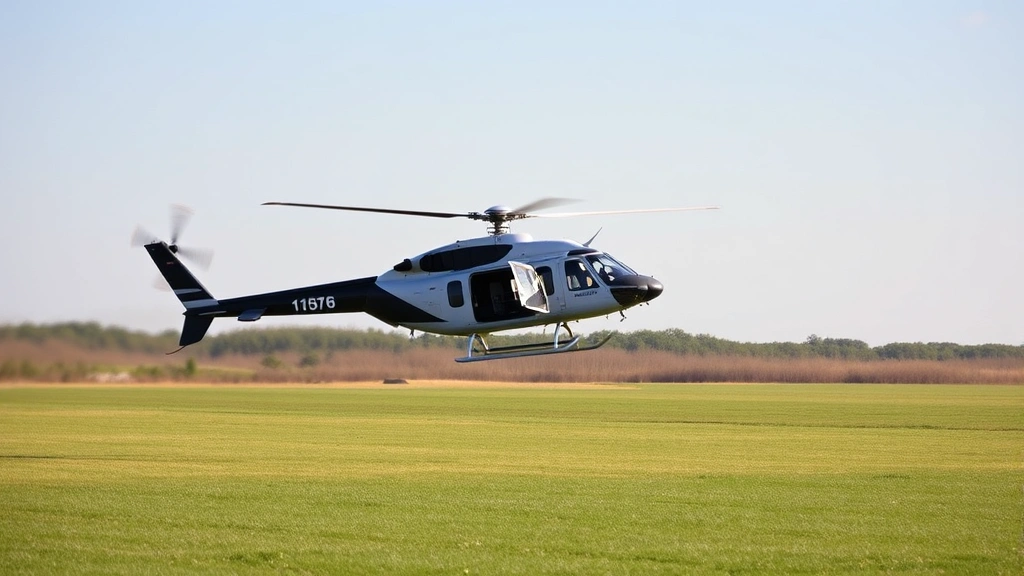
Flight training represents the most intensive and visible component of helicopter pilot certification. The progression from student pilot to certificate-holder involves systematic skill development across increasingly complex maneuvers and flight scenarios.
Student Pilot Phase (Hours 1-15) focuses on fundamental helicopter control and basic flight awareness. Students learn to hover, transition to forward flight, and develop the muscle memory required for coordinated control inputs. Instructors emphasize the unique challenge of helicopter hovering, which demands simultaneous management of cyclic control (forward/backward and side-to-side movement), collective control (altitude adjustment), pedal control (anti-torque), and throttle coordination. Most students find hovering exceptionally challenging initially, requiring 5-10 hours before achieving basic competency.
Intermediate Training Phase (Hours 15-40) introduces navigation, basic maneuvers, and emergency procedures. Students practice power-on and power-off autorotations—a critical emergency procedure allowing safe descent when engine power is lost. They develop cross-country navigation skills, practice approaches to different landing zones, and begin understanding aircraft performance limitations under various conditions.
Advanced Training Phase (Hours 40-60+) refines techniques for private pilot checkride preparation. Students practice precision approaches, demonstrate consistent hovering, execute emergency procedures smoothly, and demonstrate comprehensive aeronautical knowledge during pre-checkride oral examinations. This phase emphasizes building consistent, safe habits that transcend checkride requirements.
Commercial Training Phase (Hours 60-150) builds upon private pilot skills while introducing advanced techniques and professional standards. Commercial training emphasizes precision, efficiency, and decision-making under realistic operational pressures. Students practice confined area operations, mountain flying, water operations, and external load operations—skills essential for diverse helicopter careers.
It’s worth noting that EMT courses complement helicopter pilot training for those interested in emergency medical services helicopter operations, a rapidly growing career field.
Cost Breakdown and Financing Options
Helicopter pilot training represents a significant financial investment, typically ranging from $40,000 to $75,000 for private pilot certification and $100,000 to $200,000 for commercial certification. Understanding cost components helps prospective students budget effectively and identify financing strategies.
Flight Time Costs constitute the largest expense category, typically ranging from $300 to $600 per flight hour depending on aircraft type, geographic location, and fuel prices. A Robinson R22 helicopter—the most common trainer—costs approximately $350-$450 per hour, while larger training helicopters cost $500-$700 per hour. Total flight training costs for private pilot certification typically range from $20,000 to $35,000.
Ground School Instruction costs range from $2,000 to $5,000 depending on whether instruction occurs online or in-person. Some flight schools bundle ground school with flight training, while others charge separately, allowing students to select the most cost-effective option.
Examiner and Checkride Costs include designated pilot examiner (DPE) fees ($500-$800), checkride scheduling fees, and any necessary retest fees if initial checkride attempts prove unsuccessful. Most students budget $1,000-$1,500 for examination-related costs.
Materials and Supplies including textbooks, study guides, flight computer devices, and headsets typically cost $1,000-$2,000. Quality aviation headsets represent a worthwhile investment, as poor audio quality impairs communication and increases fatigue during training flights.
Financing Options include military service (which funds helicopter pilot training for military aviators), flight training loans from aviation-specific lenders, and employer sponsorship for students pursuing career paths in emergency services or specialized aviation roles. Some flight schools offer financing programs or payment plans, though interest rates typically exceed conventional education loans. GI Bill benefits provide substantial funding for military veterans pursuing helicopter pilot certification.
Selecting the Right Flight School
Flight school selection significantly impacts training quality, progression speed, and ultimate success. Prospective students should evaluate schools using multiple criteria rather than selecting based solely on price.
Accreditation and Credentials matter substantially. Schools accredited by the Accrediting Commission of Career Schools and Colleges (ACCSC) or holding Part 141 certification from the FAA demonstrate commitment to standardized curricula and quality control. Part 141 schools offer structured training programs with established syllabi, while Part 61 schools provide greater flexibility but less standardized progression.
Aircraft Fleet Quality directly affects training effectiveness. Modern training helicopters with reliable engines, well-maintained flight controls, and quality avionics reduce downtime and provide realistic operational experience. Schools operating aging aircraft or experiencing frequent mechanical issues create frustration and extend training timelines unnecessarily.
Instructor Experience and Continuity significantly influence learning outcomes. Flight schools maintaining experienced, stable instructor staffs provide superior training compared to schools relying on transient instructors. Prospective students should inquire about instructor qualifications, average tenure, and student-to-instructor ratios.
Location and Weather Considerations affect training efficiency. Schools in regions with consistent flying weather (minimal rain, snow, or extreme wind) allow more predictable training schedules. Schools in areas with frequent weather delays extend training timelines and increase costs substantially.
Training Program Structure varies significantly between schools. Intensive full-time programs compress training into 8-12 weeks, appealing to students seeking rapid certification. Part-time programs extend over 6-12 months, better accommodating students with employment or family obligations. Some schools offer hybrid approaches combining intensive flight training with flexible scheduling.
Visit our LearnWise Online Blog for additional insights on selecting educational programs and training providers across various fields.
Career Opportunities After Certification
Helicopter pilot certification opens diverse career pathways across commercial, emergency services, and specialized aviation sectors. Understanding these opportunities helps students align training investments with realistic career prospects.
Emergency Medical Services (EMS) represents one of the largest helicopter employment sectors. Helicopter EMS programs operate nationwide, transporting critically ill and injured patients to trauma centers. EMS helicopter pilots require exceptional judgment, advanced flying skills, and ability to operate safely under challenging conditions including night operations, poor weather, and confined landing zones. EMS pilot compensation typically ranges from $50,000 to $90,000 annually, with significant potential for growth as experience accumulates.
Law Enforcement and Government Agencies employ helicopter pilots for search and rescue operations, surveillance, and specialized missions. Federal agencies including the FBI, DEA, and U.S. Customs and Border Protection operate substantial helicopter fleets. These positions offer competitive compensation, excellent benefits, and meaningful work contributing to public safety.
Tourism and Scenic Flights provide accessible helicopter employment, particularly in regions with scenic attractions. While compensation typically ranges from $40,000 to $70,000 annually, these positions offer excellent experience for building flight hours and developing commercial skills.
Oil and Gas Industry Operations employ helicopter pilots for personnel transport and supply delivery to offshore platforms and remote facilities. These positions typically offer higher compensation ($70,000-$120,000+) but require willingness to work extended periods in isolated environments.
Corporate and Charter Operations employ helicopter pilots for executive transport and specialized missions. Corporate helicopter pilot positions generally provide excellent compensation and working conditions, though competition for these positions remains intense.
Military Aviation Careers offer structured career development, excellent compensation packages, and opportunities for advancement into leadership positions. Military helicopter pilots serve in combat support, transport, and specialized mission roles.
Common Challenges and How to Overcome Them
Helicopter pilot training presents unique challenges that exceed those encountered in fixed-wing training. Recognizing and addressing these challenges early improves success rates and training efficiency.
Hovering Difficulty represents the most common early challenge. The simultaneous coordination required for cyclic, collective, and pedal control overwhelms many new students. Overcoming this challenge requires accepting that hovering proficiency develops gradually through deliberate practice. Students who struggle with hovering should request additional dual instruction specifically focused on hover work rather than advancing prematurely to forward flight.
Spatial Disorientation affects helicopter pilots more frequently than fixed-wing pilots due to the unique perspective provided by helicopter flight. Training addressing spatial disorientation through instrument reference development, external reference utilization, and vestibular system understanding helps pilots recognize and manage disorientation effectively.
Financial Pressure and Timeline Stress create psychological challenges as training costs accumulate. Students struggling with pace should communicate concerns with instructors and school administrators rather than rushing through training. Quality over speed produces safer, more competent pilots.
Checkride Anxiety affects many pilot candidates. Preparation strategies including mock checkrides, comprehensive ground school review, and confidence-building flight hours reduce anxiety and improve checkride success rates. Most examiners recognize that nervousness affects performance and provide reasonable accommodations for candidates managing anxiety effectively.
Physical Demands including sustained concentration, G-force tolerance, and physical coordination challenge some students. Maintaining physical fitness, managing fatigue, and addressing any underlying health concerns with aviation medical examiners helps students meet physical demands of helicopter operations.
Professional development resources like our guide on online courses for lifelong learning provide supplementary study materials supporting ground school preparation.
FAQ
What is the minimum age requirement for helicopter pilot training?
The FAA requires pilots to be at least 17 years old to obtain a private pilot certificate and 18 years old for commercial certification. No maximum age limit exists, though pilots must maintain medical certification throughout their careers.
Can I train part-time while maintaining employment?
Yes, many flight schools offer part-time training schedules accommodating working professionals. Part-time programs typically extend 6-12 months compared to 8-12 weeks for intensive programs. This flexibility allows students to balance training with existing employment and family obligations.
What medical requirements must I meet?
The FAA requires pilots to obtain medical certification from an Aviation Medical Examiner (AME). Most pilots qualify for third-class medical certification, which requires basic health standards. Conditions including certain cardiac issues, untreated psychiatric conditions, or substance abuse may disqualify applicants. Consulting with an AME before beginning training helps identify potential medical disqualifications early.
How long does helicopter pilot certification typically require?
Private pilot certification typically requires 3-6 months for intensive full-time programs or 6-12 months for part-time programs. Commercial certification adds an additional 3-6 months. Individual progression depends on learning pace, weather conditions, and training schedule.
Are there alternatives to traditional flight schools?
Most helicopter pilot training occurs through established flight schools, though some military service branches and specialized employers provide training to selected candidates. Military helicopter pilot training represents the primary alternative pathway, though it requires military service commitment.
What is the job market outlook for helicopter pilots?
The aviation industry projects steady demand for helicopter pilots through the coming decade, particularly in emergency medical services, law enforcement, and specialized operations. According to the U.S. Bureau of Labor Statistics, helicopter pilot positions are expected to grow as demand for emergency medical transport and specialized aviation services increases.
Can I accelerate helicopter pilot training?
Intensive full-time programs compress training into shorter timeframes than part-time programs, but the FAA mandates minimum flight hours regardless of training intensity. Some students benefit from additional dual instruction beyond minimums, which extends timelines but improves proficiency and checkride success rates.
What financing options exist for helicopter pilot training?
Financing options include aviation-specific training loans, military benefits for eligible veterans, employer sponsorship programs, and personal savings. Some flight schools offer financing plans, though terms vary significantly. Researching multiple financing options before selecting a flight school helps identify the most cost-effective approach.