
Ohio Hunter Safety Course: Essential for Beginners
Hunting is a cherished tradition in Ohio, offering outdoor enthusiasts the opportunity to connect with nature while practicing wildlife management and conservation. However, before you can legally hunt in the state, you must complete an Ohio hunter safety course. This comprehensive training program ensures that all hunters understand firearm safety, ethical hunting practices, and the regulations that protect both people and wildlife across the state’s diverse ecosystems.
Whether you’re picking up a rifle for the first time or transitioning from another state, understanding the requirements and benefits of hunter safety education is crucial. The Ohio Division of Wildlife mandates that anyone born on or after January 1, 1987, must complete a certified hunter safety course before obtaining a hunting license. This requirement exists not just to follow the law, but to create a culture of responsibility and safety within the hunting community.
The Ohio hunter safety course covers essential topics including firearm handling, wildlife identification, survival skills, and the importance of respecting private property and other hunters. By investing time in this education, you’re protecting yourself, your fellow hunters, and Ohio’s precious wildlife resources for future generations.
Who Needs to Complete Hunter Safety Training
In Ohio, the hunter safety requirement applies to specific age groups and circumstances. All hunters born on or after January 1, 1987, must successfully complete an approved hunter safety certification course before they can purchase a hunting license or hunt legally in the state. This age-based requirement reflects when Ohio implemented mandatory hunter education.
If you were born before January 1, 1987, you may be exempt from the course requirement, though many experienced hunters choose to take it anyway to refresh their knowledge or learn about updated regulations. Non-resident hunters visiting Ohio must also complete the course or provide proof of equivalent hunter safety training from their home state or another recognized jurisdiction.
Young hunters are particularly encouraged to participate in youth-specific programs. The Ohio Division of Wildlife offers specialized courses designed for hunters under 18, which often include hands-on field activities and mentorship opportunities. These programs not only teach safety but also build confidence and foster a sense of community among young outdoor enthusiasts.
Additionally, hunters who wish to pursue specific game types—such as learning about firearm safety fundamentals or understanding specialized hunting techniques—will benefit from the comprehensive nature of Ohio’s curriculum, which addresses various hunting scenarios and conditions.
Course Content and Curriculum Overview
The Ohio hunter safety course curriculum is carefully designed by the Ohio Division of Wildlife in partnership with the International Hunter Education Association. The course covers eight main topics that every responsible hunter must understand.
Firearm Safety and Operation forms the foundation of the course. Students learn about different types of firearms, how to safely handle and transport weapons, proper shooting techniques, and the importance of wearing appropriate safety gear. Understanding firearm mechanics and maintaining awareness of your surroundings while carrying a loaded weapon are critical skills that could save lives.
Wildlife Identification and Conservation teaches hunters to recognize various game species, understand their behavior patterns, and appreciate the ecological role they play. This knowledge helps hunters make ethical decisions about which animals to pursue and when to avoid taking a shot.
The course also emphasizes hunting laws and regulations, including bag limits, hunting seasons, licensing requirements, and area-specific rules. Ohio’s regulations exist to ensure sustainable wildlife populations and provide fair hunting opportunities for all participants. Understanding these rules demonstrates respect for the legal framework that governs hunting in the state.
Survival and Emergency Preparedness covers essential outdoor skills like navigation, shelter building, first aid, and communicating with emergency services. Many hunting accidents occur due to poor preparation or lack of basic survival knowledge, making this section invaluable for all hunters.
Ethical hunting practices are woven throughout the curriculum. Students learn about fair chase principles, respecting private property, communicating with other hunters, and understanding the responsibility that comes with taking an animal’s life. These values help maintain hunting’s positive reputation and ensure the tradition continues.
The course also addresses hunting-related safety equipment, including proper clothing, footwear, and protective gear designed to keep hunters visible and safe in the field. Wearing blaze orange or pink clothing significantly reduces the risk of accidental shooting incidents.
Types of Hunter Safety Courses Available
Ohio offers multiple formats for completing hunter safety training, allowing individuals to choose the option that best fits their schedule and learning style.
In-Person Classroom Courses remain the most traditional and popular option. These courses typically span 8-12 hours of instruction, usually delivered over two consecutive days or several evenings. Instructors provide hands-on demonstrations, answer questions in real-time, and create an interactive learning environment. Many people prefer this format because it allows for immediate clarification and networking with other hunters.
Online Hunter Safety Courses have become increasingly popular, especially for busy adults and those in rural areas. Ohio’s approved online courses allow you to complete the material at your own pace, then attend a brief in-person session for the final exam and firearm safety demonstration. This hybrid approach combines convenience with the hands-on verification that safety competency requires.
Blended Learning Programs combine online modules with weekend field days, offering the flexibility of digital learning alongside practical field experience. These programs often include clay target shooting, wildlife identification walks, and simulated hunting scenarios that reinforce classroom concepts.
Youth-specific courses and camps provide immersive experiences for young hunters, often including overnight stays and intensive field training. These programs are excellent for building confidence and creating lasting memories while learning critical safety skills.
When selecting a course format, consider your learning preferences, schedule constraints, and whether you want additional field experience beyond the basic requirements. All approved courses in Ohio meet the same rigorous safety standards, so you can choose based on what works best for you.
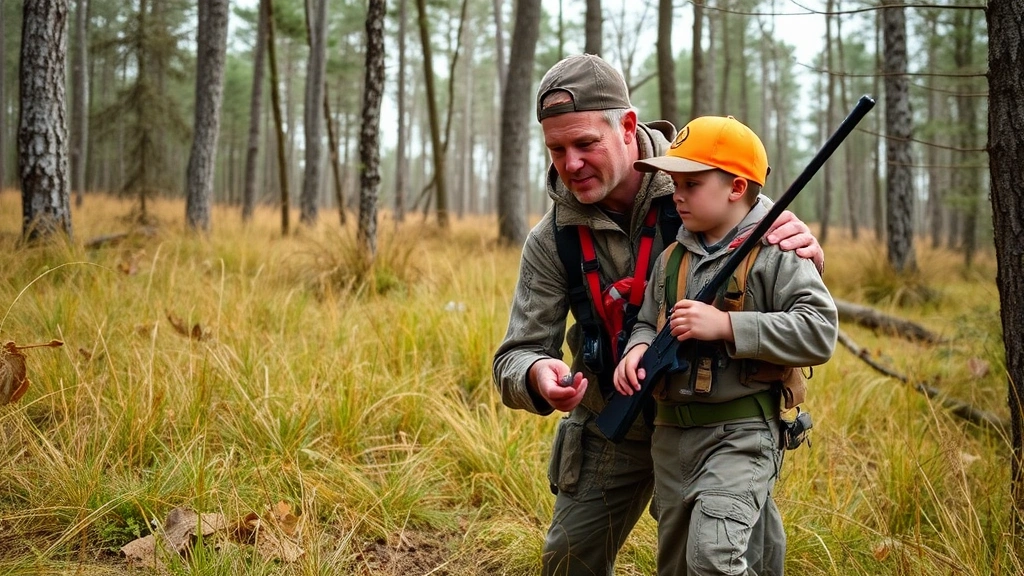
” alt=”Young hunter in safety gear learning firearm handling techniques from certified instructor in outdoor field setting with trees in background” style=”max-width: 100%; height: auto;”>
Legal Requirements and Licensing
Completing your Ohio hunter safety course is a crucial first step toward becoming a licensed hunter, but it’s not the final step. Understanding the complete licensing process helps ensure you’re hunting legally and supporting Ohio’s wildlife conservation efforts.
After passing your hunter safety course, you’ll receive a certificate of completion. This certificate is required when you apply for your hunting license through the Ohio Division of Wildlife. You can purchase licenses through authorized vendors, online, or directly from the division office.
Ohio offers several types of hunting licenses suited to different needs and preferences. Annual hunting licensesTemporary licenses
License fees support critical conservation programs, habitat restoration, and wildlife management initiatives. When you purchase a hunting license, you’re directly contributing to the protection and sustainability of Ohio’s wildlife resources. Understanding this connection between licensing and conservation reinforces the responsibility that comes with hunting.
Non-resident hunters must ensure their out-of-state hunter safety certification is recognized by Ohio. Most states’ courses meet Ohio’s standards, but it’s wise to verify before your trip. If your state’s course doesn’t meet Ohio requirements, you’ll need to complete an Ohio-approved course.
Tags and permits for specific game types—such as deer hunting permits or waterfowl stamps—are separate from your general hunting license and must be obtained through the appropriate channels. Staying current with all licensing requirements demonstrates your commitment to legal and ethical hunting.
Preparing for Your Hunter Safety Exam
Most Ohio hunter safety courses conclude with an exam designed to verify that you’ve mastered the essential safety concepts and regulations. Proper preparation ensures you’ll pass confidently and retain the knowledge that could save lives in the field.
Review the Study Materials provided by your course instructor or online platform thoroughly. These materials are specifically designed to cover the exam content and represent the most important information you need to know. Don’t skip sections that seem less interesting—every topic serves a critical safety purpose.
Focus on Firearm Safety Fundamentals particularly carefully. The exam emphasizes safe handling practices, and instructors want to ensure every hunter leaves the course with proper safety habits. Pay special attention to rules about firearm pointing, trigger discipline, and safe storage.
Understand Ohio’s Specific Regulations since exam questions often focus on state-specific rules rather than general hunting concepts. Know the current hunting seasons, bag limits, and area restrictions for the game you plan to hunt. These regulations change periodically, so verify you’re studying the current year’s information.
Practice with Sample Questions if your course provides them. Familiarity with the exam format and question style reduces test anxiety and helps you identify areas where you need additional study time.
Attend the Entire Course and actively participate. Instructors often emphasize important exam content during lectures, and you’ll benefit from hearing their explanations and seeing their demonstrations. Ask questions about anything you don’t understand—instructors expect and welcome them.
Get Adequate Sleep before your exam day and arrive early. A clear mind performs better on tests, and arriving early gives you time to settle in and review your notes one final time.
The exam typically includes multiple-choice and scenario-based questions that test both your knowledge and your ability to apply safety principles to real-world hunting situations. This practical approach ensures you’re prepared not just to pass a test, but to hunt safely.
Benefits Beyond Legal Compliance
While completing an Ohio hunter safety course is legally required for most hunters, the benefits extend far beyond obtaining a license. The knowledge and skills you gain have lasting value throughout your hunting career.
Increased Confidence in the Field comes from understanding how to handle firearms safely and knowing what to expect in various hunting situations. Confidence reduces anxiety and helps you make better decisions when you’re actually hunting. Many new hunters report feeling significantly more comfortable and capable after completing the course.
Injury Prevention and Survival Skills taught in the course could literally save your life. Understanding how to navigate safely, recognize dangerous situations, administer first aid, and communicate with emergency services can make the difference in life-threatening scenarios. These skills have value far beyond hunting.
Environmental Stewardship and Conservation Knowledge help you become a better ambassador for hunting and wildlife management. Understanding why regulations exist and how your hunting choices impact wildlife populations fosters a sense of responsibility and respect for nature.
Community and Mentorship Opportunities often develop through hunter safety courses. You’ll meet other hunters who share your interests, and many courses connect new hunters with experienced mentors. These relationships can enhance your hunting experience and provide valuable ongoing guidance.
Ethical Decision-Making Framework becomes second nature when you understand the principles taught in the course. Fair chase, respect for wildlife, and consideration for other hunters become part of how you approach the sport, improving the experience for everyone.
Family Bonding and Tradition Building takes on new meaning when everyone in your hunting group has received proper safety training. Parents can hunt with greater peace of mind knowing their children have solid safety foundations, and family hunting traditions become safer and more enjoyable.
Additionally, the knowledge about firearm safety standards and proper handling techniques applies to non-hunting situations, making you a safer gun owner in general. These transferable skills benefit your entire household and community.
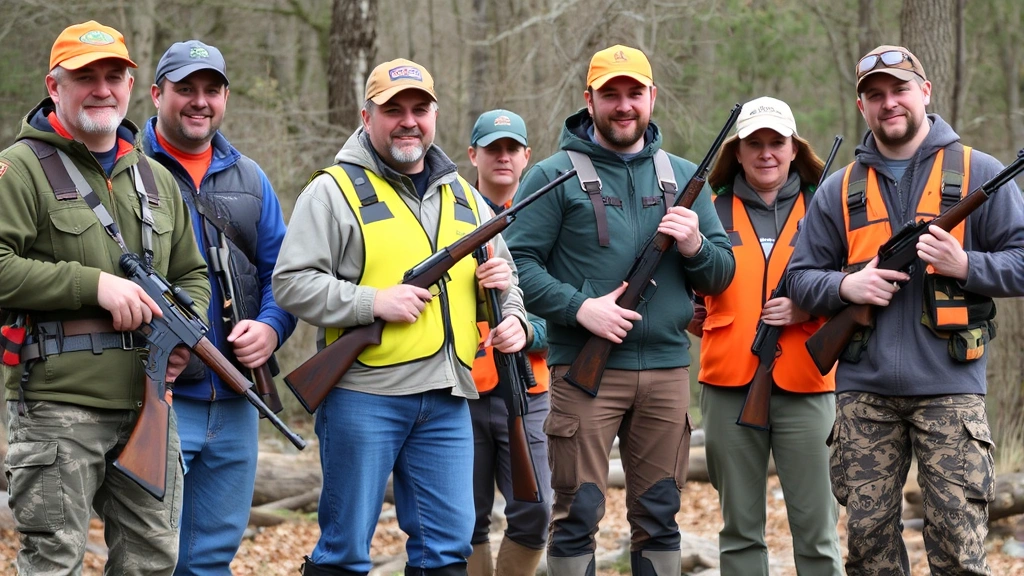
” alt=”Group of diverse hunters standing together outdoors holding rifles demonstrating proper firearm handling posture in safe field environment” style=”max-width: 100%; height: auto;”>
FAQ
How long does the Ohio hunter safety course take to complete?
Most in-person courses take 8-12 hours of instruction, typically delivered over two consecutive days or spread across several evenings. Online courses allow you to work at your own pace but usually require completion within a specified timeframe. The entire process, including the exam, typically takes 1-3 weeks depending on the format you choose.
Can I take the Ohio hunter safety course online?
Yes, Ohio offers approved online hunter safety courses that combine digital learning modules with an in-person session for the final exam and firearm safety demonstration. This hybrid approach provides flexibility while ensuring hands-on verification of safety competency. Check the Ohio Division of Wildlife website for a list of approved online providers.
What happens if I fail the hunter safety exam?
If you don’t pass the exam on your first attempt, you can usually retake it. Most courses allow you to review the material and take the exam again without additional fees. Instructors are happy to help you identify areas where you need more study time, so don’t hesitate to ask for guidance.
Is my hunter safety certificate from another state valid in Ohio?
Most states’ hunter safety certificates are recognized by Ohio if they meet the International Hunter Education Association standards. However, it’s best to verify with the Ohio Division of Wildlife before your hunt. If your state’s course doesn’t meet Ohio’s requirements, you’ll need to complete an Ohio-approved course.
How much does the Ohio hunter safety course cost?
Course fees vary depending on the provider and format, typically ranging from $15-50. Some youth courses and programs may be free or heavily subsidized. The cost is minimal compared to the value of the knowledge and skills you’ll gain, and it’s a one-time investment that remains valid throughout your hunting career.
Do I need to renew my hunter safety certification?
No, your hunter safety certificate is valid for life in Ohio. You don’t need to renew it, though you will need to renew your actual hunting license annually if you plan to hunt each year. Staying informed about changing regulations is important, but formal recertification isn’t required.
What should I bring to my in-person hunter safety course?
Bring a notebook for taking notes, comfortable clothing suitable for both classroom and outdoor activities, and any required identification. Most courses provide all necessary materials, but check with your specific provider for their requirements. Arriving early allows you to settle in and review any pre-course materials they provide.


