Ohio Hunter Safety: Certified Instructor Tips for Effective Teaching
Teaching Ohio hunter safety course material requires more than just knowledge of regulations—it demands pedagogical skill, engagement strategies, and a commitment to producing responsible hunters. As certified instructors guide students through firearms handling, hunting ethics, and wildlife conservation, they shape not only individual competence but also the culture of safety within Ohio’s hunting community. This comprehensive guide explores evidence-based teaching approaches that transform standard safety instruction into transformative educational experiences.
The responsibility of an Ohio hunter safety instructor extends beyond compliance with state requirements. Instructors serve as gatekeepers of public safety, environmental stewardship advocates, and mentors who influence how thousands of hunters interact with firearms and wildlife. Effective instruction combines technical accuracy with motivational teaching strategies that resonate with diverse learners, from teenagers earning their first hunting license to adults returning to the sport after years away.

Understanding Ohio’s Hunter Education Framework
Ohio’s hunter safety program operates under the jurisdiction of the Ohio Department of Natural Resources (ODNR) Division of Wildlife. The framework establishes minimum standards that certified instructors must follow while allowing flexibility in teaching methodology. Understanding this regulatory landscape enables instructors to deliver compliant courses that exceed baseline expectations.
The Ohio hunter education curriculum addresses eight essential learning domains: firearm safety, hunting laws and regulations, wildlife identification, hunting ethics, survival skills, wildlife conservation, hunter responsibility, and mental preparation. Each domain connects to real-world hunting scenarios that students will encounter. Instructors must master not just the content but also how these domains interconnect—understanding that ethical decision-making, for instance, depends on knowing both regulations and the ecological impact of hunting choices.
Certified instructors receive training through the ODNR’s official instructor certification program, which requires demonstrated expertise and teaching ability. However, certification represents just the beginning. Effective instructors engage in continuous professional development, staying current with regulatory changes, emerging safety research, and pedagogical innovations in outdoor education. Many instructors supplement their ODNR training by pursuing credentials from the International Hunter Education Association and attending specialized workshops on teaching adult learners and adolescent development.
Core Competencies for Certified Instructors
Beyond subject matter knowledge, successful Ohio hunter safety instructors develop competencies across multiple domains. Technical expertise encompasses detailed knowledge of firearm mechanics, ballistics, hunting equipment, and field techniques. However, technical knowledge alone produces lectures, not learning. Instructors must also develop pedagogical competence—the ability to explain complex concepts clearly, design engaging activities, and adapt instruction to diverse learning styles.
Research in adult learning theory, particularly studies from the American Psychological Association on learning approaches, demonstrates that effective instructors use multiple modalities. Some students learn best through visual demonstrations of firearm handling, others through kinesthetic practice with unloaded firearms, and still others through discussion of realistic scenarios. Master instructors intentionally incorporate all three modalities within each lesson.
Communication skills represent another critical competency. Instructors must explain technical concepts without condescension, create psychological safety so students feel comfortable asking questions, and use clear language that accommodates varying educational backgrounds. This means avoiding jargon when simpler terms work equally well, but also not oversimplifying concepts that require precision. When teaching the mechanics of firearm safety, for example, technical accuracy matters enormously.
Cultural competency and inclusivity increasingly distinguish exceptional instructors. Hunting demographics in Ohio are shifting, with growing participation among women, youth from urban backgrounds, and people of color. Instructors who recognize and actively address barriers to participation—whether subtle biases, assumptions about prior experience, or failure to acknowledge diverse perspectives on hunting—create more welcoming learning environments. Research from the National Wildlife Federation’s educator resources emphasizes how inclusive outdoor education expands access to hunting heritage and conservation values.
Engaging Students Through Active Learning
Lecture-based instruction, while sometimes necessary, produces lower retention and engagement than active learning approaches. Educational research consistently shows that students remember approximately 10% of what they hear in lectures, but 70% of what they discuss with others and 90% of what they do hands-on. Certified instructors who recognize this apply active learning strategies throughout their courses.
Scenario-based learning engages students by presenting realistic situations requiring decision-making. Rather than asking “What should you do if you see a hunter crossing your path?” instructors can role-play scenarios, show videos, or present photographs and ask students to analyze them. “You’re walking through a brush line at dawn. You see movement 80 yards away. What’s your first action before raising your firearm?” This approach activates critical thinking and connects abstract safety rules to lived experience.
Peer teaching and discussion leverages the classroom community as a learning resource. When instructors facilitate discussions where experienced hunters share stories and newer hunters ask questions, learning becomes social and memorable. “Who here has hunted in Ohio before? What surprised you about the terrain or wildlife?” These conversations build community while surfacing misconceptions the instructor can address.
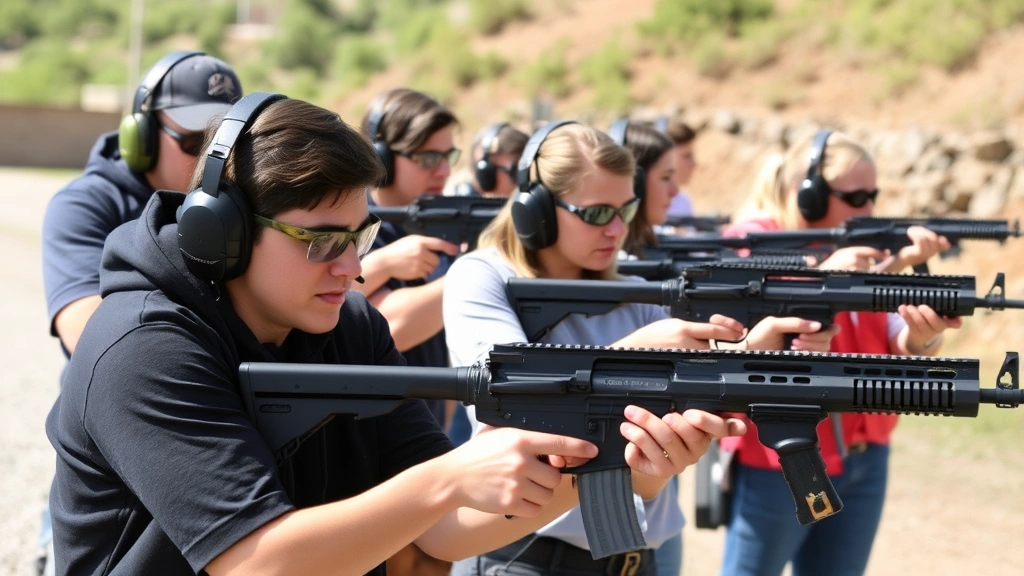
Hands-on practice with unloaded firearms and equipment proves invaluable for developing confidence and muscle memory. Students who physically practice proper grip, stance, and sight alignment develop competence they can’t achieve through observation alone. Many instructors use certified safety ranges for supervised firearms handling, though some courses use detailed video demonstrations and hands-on practice with training firearms or airsoft weapons.
Instructors also leverage multimedia resources strategically. Videos showing common hunting scenarios, animations explaining ballistics and shot placement, and photographs of proper equipment setup engage visual learners and break up instruction. However, effective instructors don’t simply play videos; they prepare students with guiding questions and follow videos with discussion or activities that deepen learning.
Firearms Safety and Responsible Handling
Firearms safety forms the foundation of hunter education. This isn’t abstract knowledge—lives depend on instructors teaching these principles thoroughly and students internalizing them completely. The fundamental rules of firearm safety must become automatic, second nature to hunters in the field.
Certified instructors emphasize the four cardinal rules: treat every firearm as if it’s loaded; keep your finger off the trigger until you’re ready to shoot; keep the muzzle pointed in a safe direction; and be certain of your target and what’s beyond it. Rather than presenting these as memorization tasks, exceptional instructors explain the reasoning. Why must we treat an unloaded firearm as if it’s loaded? Because the consequences of error are catastrophic, and treating all firearms consistently eliminates the possibility of fatal lapses in judgment.
Teaching safe firearm handling techniques requires demonstration combined with supervised practice. Students need to understand proper grip, how to safely load and unload various firearms, how to engage safety mechanisms, and how to transition safely between ready and low-ready positions. Instructors demonstrate each technique multiple times, have students verbalize the steps, and then supervise as students practice. This multi-modal approach accommodates different learning styles while ensuring competence.
Understanding firearm types matters for safe hunting. Bolt-action rifles, semi-automatic rifles, shotguns, and muzzleloaders each have different operation and safety considerations. Rather than overwhelming students with details about every possible firearm, instructors focus on the most common Ohio hunting firearms and emphasize the principles that apply across all types. Students learn how to identify key safety features and how to safely handle unfamiliar firearms by applying fundamental principles.
Transport and storage safety extends firearms safety beyond the range and field. Instructors explain legal requirements for transporting firearms in vehicles, the importance of secure storage at home, and how to handle firearms responsibly in shared spaces. Many hunting accidents occur during transport or when firearms are stored improperly, so this instruction potentially prevents tragedies.
Teaching Wildlife Ethics and Conservation
Effective hunter safety instruction transcends technical competence to cultivate ethical hunters who understand their role in wildlife conservation. This requires teaching students not just what regulations permit, but why those regulations exist and how individual hunting decisions affect ecosystems.
Instructors can explain that regulated hunting serves conservation by generating revenue through license sales, maintaining wildlife populations at sustainable levels, and providing data that informs management decisions. When hunters understand that their license fees directly fund habitat restoration and wildlife research, they develop deeper investment in conservation. Showing students how Ohio’s wildlife management programs operate and how hunting revenue supports them creates this understanding.
Wildlife identification skills connect directly to ethical hunting. Hunters must confidently distinguish between legal and protected species, identify sex and age of game animals, and recognize hunting conditions that affect animal welfare. Instructors use photographs, field guides, and videos to build these skills, then test them with realistic scenarios. “You see a large bird in flight at sunset. How do you determine whether it’s a legal waterfowl?” This challenges students to think critically about identification factors.
Ethical decision-making frameworks help students navigate gray areas where regulations don’t explicitly answer every question. Instructors can introduce the North American Model of Wildlife Conservation and discuss how hunters contribute to principles like wildlife belonging to the public and hunting being an important tool for management. This philosophical foundation helps hunters make ethical choices even when no one is watching.
Teaching about sustainable harvest practices ensures students understand shot placement for humane kills, when to pass on shots that may wound rather than kill, and how to minimize suffering. Instructors emphasize that a hunter’s primary responsibility is clean, quick kills that respect the animal’s life. This ethical foundation distinguishes hunters who understand their role in nature from those who view hunting merely as recreation.
Assessment and Certification Standards
Certified instructors must assess student learning and certify that graduates meet Ohio’s competency standards. Effective assessment measures what matters—not whether students can recite regulations, but whether they can apply safety principles and make ethical decisions in realistic scenarios.
Written assessments typically evaluate knowledge of Ohio hunting regulations, firearm safety rules, and wildlife identification. Well-designed assessments use scenario-based questions rather than simple recall. “A hunter shoots at a deer but realizes immediately the shot was high. What should the hunter do?” requires understanding of ethical responsibility, not just memorization.
Practical assessments evaluate skills like proper firearm handling, safe equipment use, and decision-making in simulated hunting scenarios. Some instructors use live-fire assessments at ranges, while others use detailed practical examinations with unloaded firearms or training equipment. The goal remains consistent: ensuring students can safely handle firearms and make sound decisions under field conditions.
Oral assessments and discussion reveal understanding that written tests might miss. Conversations about hunting ethics, wildlife management, and personal responsibility provide insights into whether students have internalized instruction or merely memorized answers. Instructors who listen carefully during these discussions can identify students who need additional support before certification.
Ohio requires that students achieve minimum passing scores on assessments, typically around 80%, before certification. However, exceptional instructors don’t view the passing threshold as the goal; they aim for mastery. When a student barely passes the written exam but demonstrates weak practical skills, responsible instructors provide additional coaching before final certification.
Creating Inclusive Learning Environments
Hunter safety courses increasingly enroll diverse students, and instructors who create welcoming, inclusive environments serve more learners effectively. Research on inclusive classroom practices from Edutopia applies directly to hunter education settings.
Examining assumptions about hunters is foundational work. Instructors should reflect on their own biases—assumptions about what “hunters” look like, where they come from, why they hunt. When instructors unconsciously assume hunters are male, rural, and from hunting families, they inadvertently exclude women, urban students, and first-generation hunters. Intentionally using inclusive language, incorporating diverse examples, and inviting all students to share experiences signals that hunting belongs to everyone.
Addressing barriers to participation requires proactive effort. Some students may lack confidence with firearms due to cultural background or prior negative experiences. Rather than assuming competence, instructors can offer optional additional practice sessions or private coaching. Some students may have physical limitations affecting how they handle firearms; instructors can adapt techniques while maintaining safety. Some students may face economic barriers; instructors can facilitate equipment loans or identify affordable options.
Creating psychological safety where students feel comfortable asking questions and admitting confusion proves essential. When an instructor responds to a basic question with patience and encouragement rather than impatience, students feel safe continuing to learn. Normalizing questions—”That’s a great question, many hunters wonder about that”—signals that not knowing everything is acceptable and learning is valued.
Representing diverse hunting perspectives enriches courses for all students. Hunting traditions vary across cultures, and instructors can acknowledge this diversity. Inviting guest speakers from different backgrounds, incorporating stories from hunters with varied experiences, and discussing how hunting connects to different communities and values broadens students’ understanding of hunting’s role in society.
FAQ
What qualifications do Ohio hunter safety instructors need?
Certified instructors must complete ODNR’s official instructor training program and pass both written and practical examinations. Most states require instructors to demonstrate hunting experience, pass a background check, and renew certification periodically. Some instructors pursue additional credentials from the International Hunter Education Association to enhance their expertise.
How long does an Ohio hunter safety course typically take?
Most courses require 10-12 hours of instruction, delivered across multiple sessions or as an intensive weekend program. Some online courses combine self-paced learning with in-person practical components. Instructors should verify current requirements with ODNR, as standards may change.
Can instructors teach both online and in-person components?
Many instructors now use blended approaches, with online modules covering regulatory knowledge and in-person sessions focusing on practical skills and discussion. However, firearm safety and handling require hands-on instruction, so fully online courses cannot meet Ohio’s requirements for hunter certification.
How do instructors stay current with changing regulations?
ODNR publishes updated hunting regulations annually, and instructors must review changes before each season. Subscribing to ODNR newsletters, attending instructor workshops, and joining professional organizations like the International Hunter Education Association helps instructors stay informed about regulatory and pedagogical changes.
What resources help instructors improve their teaching skills?
Organizations like the International Hunter Education Association offer professional development. Educational research on learning science from Learning Scientists provides evidence-based strategies. Mentoring with experienced instructors, peer observation, and student feedback also support continuous improvement.
How should instructors handle students who seem disengaged or unmotivated?
Disengagement often signals that instruction isn’t meeting a student’s needs. Instructors might explore the student’s motivations for taking the course, adjust teaching approaches to match their learning style, or provide one-on-one attention. Sometimes students are anxious about firearms; acknowledging this and providing additional support builds confidence. Understanding that motivation is often situational rather than fixed helps instructors respond helpfully.


