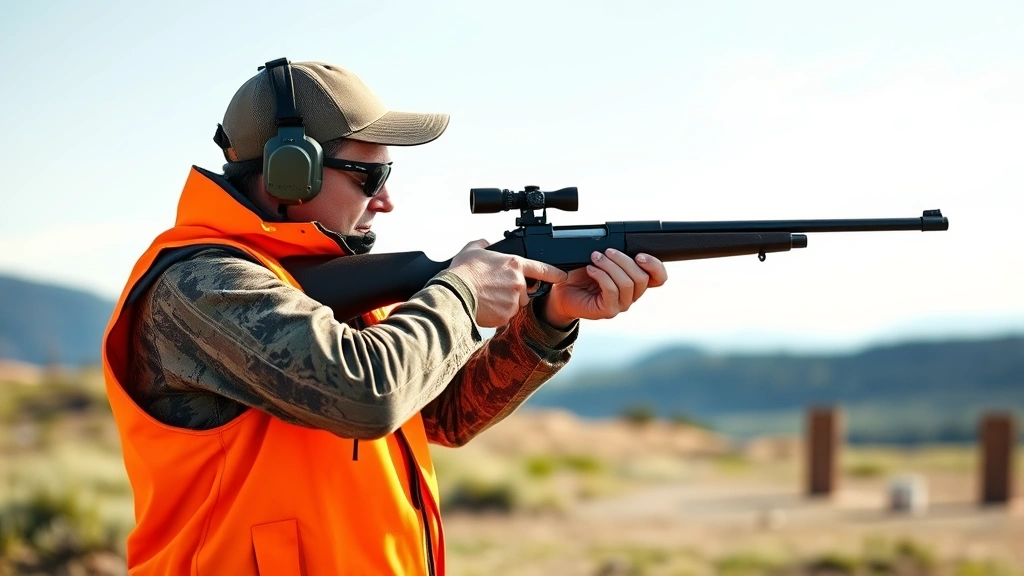
Oklahoma Hunter Safety Course: Expert Guide to Certification and Requirements
Hunting in Oklahoma requires more than just enthusiasm and a rifle—it demands knowledge, responsibility, and proper certification. The Oklahoma hunter safety course stands as the foundational credential that every hunter must obtain before pursuing game in the state. Whether you’re a first-time hunter or someone relocating to Oklahoma, understanding the requirements, course content, and certification process is essential for legal and ethical hunting.
This comprehensive guide walks you through everything you need to know about Oklahoma’s hunter safety certification. From understanding state regulations to mastering firearm safety and wildlife conservation principles, we’ll cover the critical information that transforms novice hunters into responsible, educated outdoors enthusiasts. The course isn’t simply a legal requirement—it’s an investment in your safety and the sustainability of Oklahoma’s hunting heritage.

Understanding Oklahoma Hunter Safety Requirements
Oklahoma’s Department of Wildlife Conservation mandates that all hunters born on or after January 1, 1985, must successfully complete a hunter safety course before purchasing a hunting license or permit. This age-based requirement reflects the state’s commitment to ensuring that younger generations receive proper firearms training and wildlife management education.
The regulation applies regardless of hunting experience or prior certifications from other states. If you’ve hunted in Texas, Kansas, or Missouri, you’ll still need Oklahoma-specific certification to hunt legally within state boundaries. The course certifies that you understand Oklahoma’s unique hunting seasons, bag limits, and regional wildlife considerations.
Hunters born before January 1, 1985, may be exempt from taking the course, though many experienced hunters choose to complete it for knowledge refreshment or to meet insurance requirements. The course fee typically ranges from $15 to $30, making it an affordable investment in legal compliance and personal safety.
Understanding these baseline requirements prevents costly mistakes. Hunting without proper certification can result in fines exceeding $500, loss of hunting privileges, and potential confiscation of equipment. Beyond legal consequences, proper training directly reduces hunting accidents and promotes ethical wildlife management practices that benefit Oklahoma’s ecosystems.

Course Content and What You’ll Learn
The Oklahoma hunter safety curriculum covers eight essential modules designed by wildlife education experts and informed by decades of accident prevention research. Each section builds foundational knowledge that transforms theoretical understanding into practical competence.
Firearm Safety and Handling forms the cornerstone of instruction. You’ll learn the fundamental rules governing how to safely carry, store, and handle firearms in the field. The course emphasizes the four cardinal rules: always point the muzzle in a safe direction, keep your finger off the trigger until ready to shoot, keep the firearm unloaded until ready to use, and be absolutely certain of your target and what’s beyond it. These principles, reinforced through multiple scenarios, become instinctive safety habits.
Wildlife identification and hunting regulations receive substantial attention. Oklahoma has distinct seasons for deer, waterfowl, upland game, and predators, each with specific bag limits, hunting hours, and geographic restrictions. The course ensures you can identify legal game species, understand current season dates, and recognize protected species that must never be harvested.
Ammunition and firearm types instruction covers rifles, shotguns, and archery equipment. You’ll understand ballistics, effective shooting ranges, and ammunition selection for different game species. This knowledge prevents wounding animals and ensures ethical, quick kills that minimize animal suffering.
Hunter ethics and wildlife conservation principles explain why seasons exist and how hunting contributes to ecosystem balance. Oklahoma’s wildlife management depends on hunters understanding population dynamics and their role in maintaining healthy animal populations. This section connects hunting to scientific management and environmental stewardship.
Survival and first aid training prepares you for field emergencies. You’ll learn how to navigate safely, recognize hypothermia and heat exhaustion, administer basic first aid, and signal for rescue. These practical skills prove invaluable during unexpected situations far from civilization.
Types of Oklahoma Hunter Safety Courses
Oklahoma offers multiple course formats accommodating different schedules and learning preferences, ensuring accessibility for all potential hunters.
In-Person Classroom Courses remain popular for hunters who prefer direct instruction and hands-on demonstration. Local wildlife officers and certified instructors conduct these sessions, typically lasting 8-12 hours across one or two days. Classroom settings allow immediate question-asking, peer interaction, and instructor observation of practical skills application. Check with your county’s Oklahoma Department of Wildlife Conservation office for scheduled sessions.
Online Hunter Safety Programs have expanded dramatically, providing flexibility for busy schedules. Oklahoma recognizes approved online courses allowing self-paced completion from home. You’ll review video content, complete interactive modules, and take a comprehensive exam. Many online platforms include field day requirements where you must demonstrate firearm handling competency with a certified instructor—combining convenience with accountability.
Youth-Focused Programs target younger hunters through specialized curricula emphasizing mentorship and age-appropriate instruction. These programs often include parent participation, building family hunting traditions while ensuring comprehensive safety training. Schools and recreational departments frequently partner with wildlife agencies to offer youth courses during school sessions or summer breaks.
Regardless of format, all approved Oklahoma courses must cover identical core content and maintain equivalent rigor. Your certification carries equal weight whether obtained online or in a classroom, recognized statewide and reciprocated with many neighboring states.
Registration and Enrollment Process
Enrolling in an Oklahoma hunter safety course requires straightforward steps, though timing matters significantly during peak hunting season.
Begin by visiting the Oklahoma Wildlife Department’s official hunter education page to locate approved course providers. The site lists classroom courses by county with dates, times, and registration information. For online courses, verify that providers appear on the state’s approved list—this ensures your certification will be recognized for license purchases.
Registration typically requires basic personal information: full name, date of birth, address, and contact details. Some courses require payment upfront; others collect fees at the door. Many community colleges, parks departments, and hunting organizations offer courses, sometimes at reduced rates for residents or students.
Complete registration well in advance of your intended hunting season. Summer and early fall experience high demand, with courses filling quickly. Winter courses offer shorter wait times if your hunting timeline permits flexibility.
For online courses, registration grants immediate access to course materials. Plan completion within 30-60 days, completing modules sequentially. Most platforms track progress, allowing you to resume where you left off. After finishing all content, you’ll schedule a proctored exam—either online through supervised video or in-person at an approved testing location.
Exam Preparation and Testing
The Oklahoma hunter safety exam evaluates comprehensive understanding of course material, not just memorization. Effective preparation combines active review and practice testing.
Study Strategies should emphasize concept comprehension over rote learning. Create flashcards for firearm safety rules, hunting seasons, and species identification. Review practice exams provided by your course instructor—these typically mirror the actual test format and difficulty level. Study with hunting partners, discussing scenarios and ethical dilemmas to deepen understanding.
Focus preparation time on your weaker areas. If firearm mechanics prove challenging, dedicate extra study sessions to ammunition types, ballistics, and safe handling procedures. If wildlife identification seems difficult, use field guides and online resources to practice distinguishing between legal and protected species.
The actual exam typically consists of 50-75 multiple-choice and true/false questions covering all course modules. You’ll usually have 2-3 hours to complete it. Most states require 80% accuracy for passing—Oklahoma maintains this standard, ensuring only adequately prepared hunters receive certification.
Testing environments are straightforward. You’ll provide identification, receive exam materials, and complete the assessment in a controlled setting with proctors monitoring compliance. No external resources are permitted during testing. After completion, you’ll typically receive results immediately or within days, depending on whether testing was digital or paper-based.
After Certification: Licenses and Permits
Successful course completion provides certification, but hunting legally requires purchasing appropriate licenses and permits. These documents prove you’ve completed safety training while funding wildlife conservation efforts.
Oklahoma offers various license types: resident hunting licenses for state residents, nonresident licenses for out-of-state hunters, apprentice licenses for first-time hunters, and senior licenses for hunters aged 65+. Each category has different fees and regulations. Your hunter safety certification qualifies you to purchase any license type you’re eligible for based on residency and age.
Beyond general hunting licenses, Oklahoma requires specific permits for certain game. Deer hunting permits, waterfowl stamps, and turkey permits each have separate regulations and seasons. Consulting current Oklahoma Wildlife Department licensing information ensures you purchase all necessary documents before hunting.
Licenses are purchased through the state wildlife agency website, authorized vendors, or in-person at regional offices. Keep your certification document and license with you while hunting—wildlife officers will request proof of both compliance elements. Hunting without required documentation results in citations and fines.
Safety Best Practices Beyond the Course
Hunter safety education extends far beyond classroom instruction. Truly responsible hunting requires ongoing commitment to safety practices and continuous learning.
Firearm Maintenance and Inspection prevents equipment failures in the field. Before each season, thoroughly clean your rifle or shotgun, inspect barrels for obstructions, check scopes for proper alignment, and verify that all components function smoothly. Neglected firearms cause accidents and spoil hunting opportunities.
Wearing proper safety equipment protects you from accidents and environmental hazards. Blaze orange clothing—hats, vests, or jackets—makes you visible to other hunters, dramatically reducing accidental shooting incidents. Hearing protection preserves auditory health during extended shooting sessions. Quality waterproof gear prevents hypothermia during cold-weather hunting.
Hunt with Experienced Partners whenever possible, especially during your first seasons. Mentors provide real-world guidance that classroom instruction cannot fully convey. They model ethical behavior, demonstrate field skills, and help you navigate unexpected situations safely. Many states, including Oklahoma, offer mentorship programs pairing novice hunters with experienced guides.
Stay informed about current seasons, regulations, and wildlife population management. Oklahoma’s wildlife conditions change annually. Updated regulations reflect population data and ecosystem needs. Subscribing to the Oklahoma Wildlife Department newsletter keeps you informed about regulation changes and hunting opportunities.
Practice shooting regularly at ranges, not just during hunting season. Marksmanship skills deteriorate without consistent practice. Regular range time builds muscle memory, improves accuracy, and increases confidence in field situations. This translates directly to ethical, effective hunting and fewer wounded animals.
Respect private property and obtain explicit permission before hunting on others’ land. This fundamental practice preserves hunting access, maintains relationships between hunters and landowners, and ensures legal compliance. Always follow landowner instructions regarding access routes, hunting areas, and seasonal restrictions.
FAQ
How long is the Oklahoma hunter safety course?
In-person courses typically require 8-12 hours of instruction, often condensed into one full day or two half-days. Online courses allow self-paced completion, though most participants finish within 10-20 hours of study. Either format covers identical content and meets state requirements.
Is my out-of-state hunter safety certification valid in Oklahoma?
No, Oklahoma requires state-specific certification regardless of previous certifications. However, some reciprocal agreements exist with neighboring states for specific purposes. Contact the Oklahoma Wildlife Department to clarify your individual situation if you hold certifications from other states.
How much does the Oklahoma hunter safety course cost?
Course fees typically range from $15 to $30, depending on the provider and course format. Some organizations offer free courses, particularly for youth hunters. Online courses often cost less than in-person instruction. Verify current pricing with your chosen provider before enrollment.
Can I take the course online, or must I attend in-person?
Oklahoma approves both online and in-person courses. Online options provide flexibility, though many require an in-person field day for practical firearm handling demonstration. Check with your course provider about specific requirements and scheduling.
What happens if I fail the hunter safety exam?
Most providers allow retesting if you don’t achieve the passing score (typically 80%). You may need to review course material before attempting the exam again. Some providers charge a small retesting fee. Communicate with your instructor about additional study resources before your second attempt.
How long is my hunter safety certification valid?
Once obtained, Oklahoma hunter safety certification remains valid for life. You don’t need to renew or retake the course. This permanent credential qualifies you to purchase hunting licenses indefinitely, though you must renew your actual hunting license annually.
Can children take the Oklahoma hunter safety course?
Yes, children as young as 10-12 years old can complete hunter safety courses, particularly youth-focused programs. Age requirements vary by course provider. Youth programs emphasize age-appropriate instruction and often include parent participation, building safe hunting families.


