Learn Motorcycle Skills: Harley Davidson Course Insights
Harley-Davidson motorcycle courses represent one of the most comprehensive pathways to mastering essential riding skills, safety protocols, and the foundational knowledge required to operate these iconic machines responsibly. Whether you’re a complete beginner considering your first motorcycle purchase or an experienced rider seeking to refine advanced techniques, Harley Davidson courses provide structured, expert-led instruction that emphasizes both practical competency and safety awareness. These courses have evolved significantly over decades, combining classroom instruction with hands-on training to ensure riders develop confidence and competence in real-world riding scenarios.
The motorcycle industry recognizes that proper training dramatically reduces accident rates and increases rider longevity. Harley-Davidson’s commitment to rider education extends beyond sales; the company invests in comprehensive training programs designed to create safer, more skilled riders on America’s roads. Understanding what these courses entail, how they’re structured, and what benefits they offer can help you make an informed decision about pursuing formal motorcycle education.
Harley Davidson Course Overview and Structure
Harley-Davidson rider education programs are systematically designed to accommodate various skill levels, from absolute beginners to experienced motorcyclists seeking specialized training. The most popular entry-level offering is the Harley-Davidson Riding Academy, which provides comprehensive instruction in a supportive environment. These courses typically span multiple days, combining classroom sessions with practical riding exercises on specially equipped practice ranges.
The course structure reflects modern educational best practices. Instructors begin by assessing individual learning needs and riding backgrounds. This personalized approach ensures that whether you’re developing professional expertise or pursuing recreational skills, the instruction matches your current level. The progression from theory to application follows established learning science principles, allowing students to build confidence incrementally before advancing to more complex scenarios.
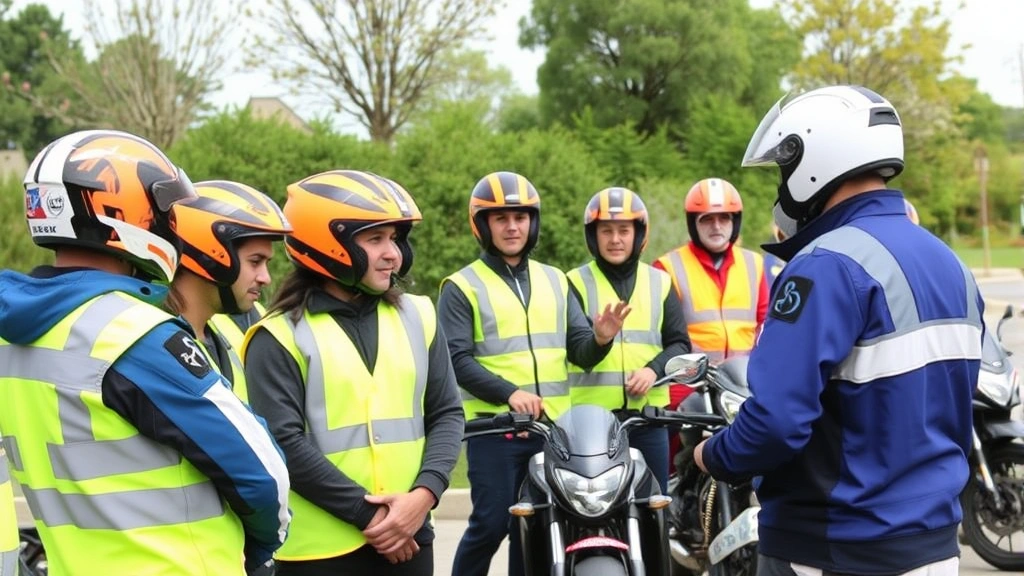
Harley-Davidson courses are offered at authorized dealerships and training centers across North America. Participants typically work with small groups, ensuring instructors can provide individualized feedback and correction. The intimate class sizes—often limited to 6-8 students per instructor—create optimal conditions for learning and skill development. This contrasts sharply with larger, impersonal training environments where student needs may be overlooked.
Core Curriculum Components
The core curriculum in Harley-Davidson motorcycle courses addresses three essential knowledge domains: motorcycle mechanics and operation, safety protocols and hazard awareness, and practical riding techniques. Each component receives equal emphasis, recognizing that comprehensive rider education requires balanced development across these areas.
Motorcycle Mechanics and Operation forms the foundation of all Harley courses. Students learn fundamental systems including the engine, transmission, braking mechanism, suspension, and electrical components. Understanding how these systems interact enables riders to perform basic maintenance, recognize mechanical problems, and respond appropriately when issues arise. This knowledge transforms riders from passive operators into informed, capable machine handlers who can troubleshoot problems and maintain their motorcycles responsibly.
Safety and Risk Management permeates every aspect of Harley-Davidson training. Instructors emphasize defensive riding strategies, hazard recognition, and decision-making under pressure. Students learn to anticipate road conditions, identify potential dangers before they materialize, and execute appropriate responses. The curriculum addresses weather conditions, traffic patterns, road surfaces, and visibility challenges—all factors that influence riding safety. Like exploring specialized facility management, safety training requires understanding environmental variables and adapting techniques accordingly.
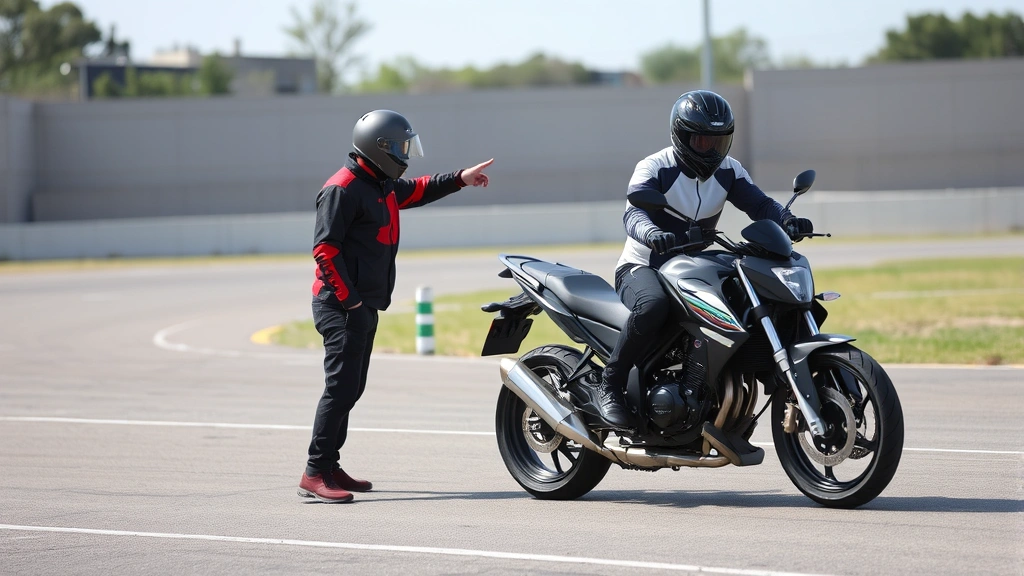
Practical Riding Techniques constitute the experiential learning component. Students practice fundamental skills including mounting and dismounting, balance and control, acceleration and braking, turning and cornering, and emergency maneuvers. Instructors demonstrate proper technique, model correct body positioning, and provide real-time feedback as students practice. This hands-on approach builds muscle memory and develops the intuitive responses necessary for safe, confident riding.
Safety-First Training Approach
Harley-Davidson’s safety-first philosophy distinguishes their courses from less rigorous training programs. This approach recognizes that motorcycle riding carries inherent risks that can be substantially mitigated through proper training and attitude development. Safety isn’t presented as a restrictive set of rules but rather as empowering knowledge that enables riders to manage risks effectively.
The safety curriculum addresses personal protective equipment (PPE) extensively. Students learn why quality helmets, jackets, gloves, boots, and protective pants matter. Instructors explain the biomechanics of crash injuries and how proper gear protects vulnerable body areas. This knowledge-based approach—rather than simply mandating gear use—helps riders understand the reasoning behind safety recommendations. Research from the National Highway Traffic Safety Administration consistently demonstrates that trained riders wearing appropriate gear experience significantly fewer serious injuries.
Hazard perception training teaches riders to recognize dangerous situations developing before they become critical. Students learn to scan road surfaces, identify obstacles, anticipate vehicle movements, and recognize environmental hazards. This proactive awareness—similar to how course management requires understanding terrain and environmental factors—dramatically reduces accident probability. Instructors emphasize that most accidents result from failures in perception and decision-making rather than mechanical limitations.
Risk assessment and decision-making receive dedicated attention. Students learn to evaluate whether riding conditions exceed their current skill level and make appropriate choices about postponing rides. This judgment development is crucial; experienced instructors can guide students toward recognizing their limitations and respecting them. The curriculum emphasizes that choosing not to ride under certain conditions represents excellent decision-making, not weakness.
Hands-On Riding Experience
The practical riding component distinguishes effective motorcycle courses from theoretical instruction alone. Harley-Davidson courses provide extensive hands-on experience on actual motorcycles in controlled environments. These practice sessions allow students to develop physical skills, build confidence, and receive immediate feedback from instructors.
The training motorcycles are typically smaller-displacement Harley models, chosen specifically for beginner instruction. These bikes feature manageable power delivery, responsive handling, and forgiving characteristics that allow students to develop fundamental skills without becoming overwhelmed. The practice ranges include various surfaces and configurations—straights, curves, obstacles, and emergency stopping zones—that replicate real-world riding challenges in a safe, controlled setting.
Instructors use proven pedagogical techniques during practical sessions. They demonstrate correct technique, explain the reasoning behind specific approaches, and observe students carefully as they practice. When errors occur, instructors provide constructive feedback identifying specific improvements. This cycle of demonstration, explanation, practice, and feedback reflects best practices in skills education. Students progress through increasingly challenging exercises as their confidence and competence develop.
The emotional and psychological components of learning receive attention during practical sessions. Some students experience anxiety about operating a motorcycle, and skilled instructors recognize and address these concerns. By progressing gradually, celebrating small achievements, and creating supportive environments, instructors help students overcome anxiety and build genuine confidence. This psychological dimension of training often determines whether students continue riding or abandon the activity.
Certification and Licensing Benefits
Harley-Davidson course completion provides significant licensing and insurance advantages. Many states recognize course completion as satisfying the practical riding test requirement for motorcycle licensure. This means graduates can obtain their motorcycle endorsement without taking the state riding exam—a substantial benefit that streamlines the licensing process.
The Motorcycle Safety Foundation, which developed many curriculum standards adopted by Harley-Davidson and other training providers, has documented that course graduates have substantially lower accident rates than non-trained riders. Insurance companies recognize this data; many insurers offer premium discounts for riders who complete certified training courses. These discounts often exceed the course cost within the first year, providing direct financial benefit beyond improved safety.
Certification also provides psychological benefits. Graduates possess documented proof of training completion, which can influence how other road users perceive them and how they perceive themselves. This formal recognition validates the effort invested in training and provides confidence that knowledge and skills have been properly developed. Some riders frame their training certificate as a significant personal achievement, which enhances motivation for continued skill development.
The licensing pathway varies by state, so prospective students should verify their specific state’s requirements. However, nearly all states recognize quality motorcycle training courses as satisfying practical examination requirements. This recognition reflects widespread understanding that formal training produces safer riders than self-taught individuals, regardless of natural talent or experience with other vehicles.
Advanced Skills Development
Harley-Davidson’s training offerings extend beyond beginner courses to include advanced instruction for experienced riders. These programs address specific skill areas including emergency braking and swerving, cornering techniques, highway riding, and weather-specific strategies. Advanced courses recognize that riding skill exists on a continuum; even experienced riders benefit from structured instruction addressing specific competency areas.
Advanced courses often focus on precision and efficiency. While beginner courses emphasize safety and fundamental technique, advanced instruction teaches riders to execute techniques with greater smoothness, accuracy, and speed control. Students learn the physics of motorcycle handling, understanding weight distribution, lean angles, throttle control, and braking force application at deeper levels. This knowledge enables more confident riding in challenging conditions and higher-speed environments.
Some advanced courses address specific riding contexts. Highway riding courses teach strategies for managing fatigue, dealing with traffic, and maintaining safety during extended riding sessions. Off-road or adventure riding courses address different surface types and challenging terrain. Like understanding specialized facility requirements, different riding contexts demand specific knowledge and technique adaptations.
The Insurance Institute for Highway Safety research indicates that advanced training significantly reduces injury risk even for experienced riders. This evidence supports continued skill development throughout a riding career. Harley-Davidson’s course offerings enable this progression, providing structured pathways for riders to continuously improve.
Instructor certification represents another advanced pathway. Experienced riders can pursue training to become Harley-Davidson certified instructors, bringing their knowledge and passion to educate new generations of riders. This instructor development program ensures teaching quality and maintains consistent standards across the company’s training network. Becoming an instructor often represents a natural progression for riders deeply committed to motorcycle safety and education.
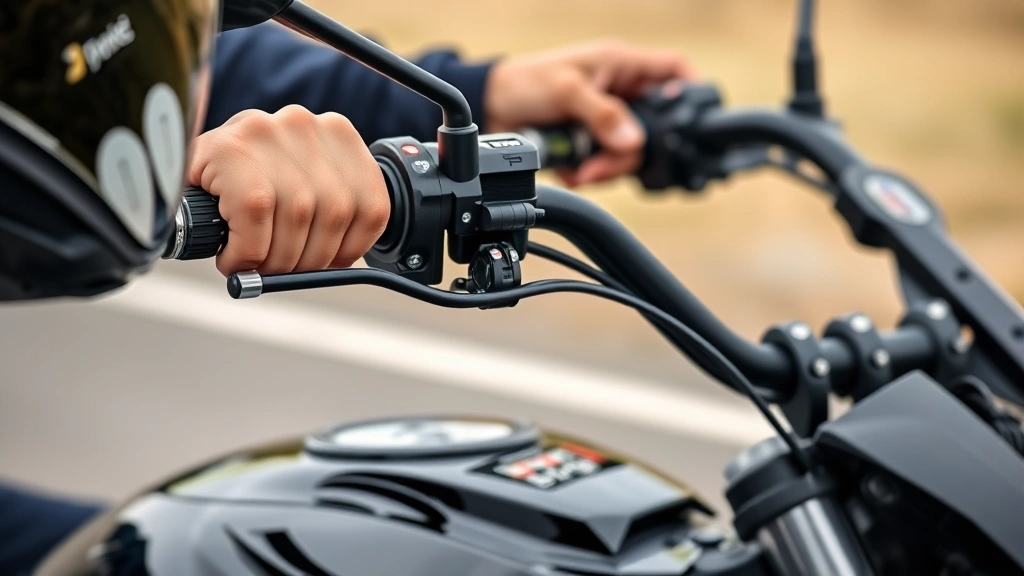
Specialized courses also address specific motorcycle models. Riders transitioning to Harley-Davidson bikes from other manufacturers can take model-specific courses teaching unique handling characteristics, control locations, and operational procedures. These transition courses reduce the learning curve and help riders adapt quickly to their new machines. This specialized instruction recognizes that different motorcycle designs require different approaches, and proper adaptation enhances both safety and enjoyment.
Choosing the Right Course for Your Needs
Selecting an appropriate Harley-Davidson course requires honest assessment of your current skill level and specific learning objectives. Beginners should enroll in entry-level courses regardless of prior vehicle experience; motorcycling requires fundamentally different skills and knowledge than automobile driving. The temptation to skip foundational training often leads to poor technique development and increased accident risk.
Consider your learning style when selecting courses. Some people thrive in intensive multi-day programs where they can immerse themselves completely in new material. Others prefer extended courses meeting once or twice weekly, allowing time for reflection and practice between sessions. Both approaches work; the key is matching the format to your preferences and schedule.
Geographic location influences course availability. Urban areas typically offer more frequent courses and varied scheduling options. Rural areas may require traveling to authorized training centers. Planning ahead ensures you can enroll in courses that fit your schedule and location. Many riders view training courses as worthy investments justifying travel and time commitment.
Cost considerations matter, but shouldn’t be the primary decision factor. Quality training provides safety benefits and insurance discounts that quickly offset course expenses. Comparing only price among training providers risks choosing inferior instruction. Instead, research instructor qualifications, student reviews, and curriculum content. The best training represents exceptional value despite higher initial cost.
Building a Culture of Continuous Learning
Motorcycle safety experts and like facility management professionals recognize that initial training, while crucial, represents just the beginning of a learning journey. The most accomplished riders maintain growth mindsets, continuously seeking to improve their skills and knowledge. This perspective transforms training from a one-time requirement into an ongoing commitment to excellence.
Many riders find that initial training creates enthusiasm for deeper exploration. After completing a basic course, they pursue advanced instruction, read extensively about motorcycle mechanics and safety, watch educational videos, and practice specific skills intentionally. This self-directed learning, sparked by formal training, often produces the greatest long-term improvements.
Peer learning communities also contribute to continuous development. Motorcycle clubs, online forums, and riding groups provide opportunities to learn from others’ experiences and share knowledge. These communities often organize group rides with specific skill-development focuses, creating social contexts for learning. Experienced riders mentor newer riders, passing along practical wisdom that transcends formal instruction.
The relationship between training and riding culture deserves consideration. Communities that value and support rider education typically experience lower accident rates and stronger riding cultures. When training is normalized and respected, riders feel less embarrassment about admitting knowledge gaps or seeking instruction. This cultural shift toward lifelong learning benefits everyone sharing the roads.
Harley-Davidson’s commitment to rider education reflects the company’s recognition that their brand’s long-term success depends on creating safe, skilled, enthusiastic riders. Every accident prevented through training represents not just individual safety but also positive brand reputation and community benefit. This alignment of company interests with rider safety creates genuine motivation for offering quality instruction.
FAQ
What should I expect during my first Harley-Davidson course?
Your first course will begin with classroom instruction covering motorcycle mechanics, safety principles, and riding techniques. Expect to learn about protective equipment, hazard recognition, and decision-making frameworks. Afternoon sessions move to the practice range where you’ll work with an instructor one-on-one or in very small groups. You’ll practice fundamental skills starting with basic balance and progressing to turning and emergency maneuvers. The pace is deliberately manageable; instructors recognize that first-time riders need time to build confidence.
Do I need to own a motorcycle before taking a course?
Absolutely not. In fact, most beginning riders shouldn’t purchase a motorcycle before training. Courses provide bikes specifically selected for instruction, allowing you to develop skills before making a purchase decision. Using training bikes also prevents damage to your own motorcycle while learning. After completing the course, you’ll have much better understanding of what motorcycle features match your needs and riding style.
How long does it take to become proficient on a motorcycle?
Initial proficiency—the ability to ride safely in basic conditions—typically develops over a few weeks of regular practice following a training course. However, true competence requiring automatic responses to various hazards develops over months and years of experience. Most riders notice significant improvement in their first 100-200 hours of riding. Like mastering any complex skill, motorcycle proficiency is a progressive achievement rather than a destination.
Will I pass my motorcycle license test after completing a Harley course?
Most riders who complete certified courses and practice diligently between course completion and testing do pass their license exams. However, test passage depends on your individual effort and practice. Courses provide the knowledge and initial skill development; your personal practice determines whether those skills become automatic and reliable. Instructors typically provide guidance about readiness before you attempt licensing tests.
Are Harley courses more expensive than other motorcycle training?
Harley-Davidson courses are competitively priced with other quality motorcycle training programs. Costs vary by course type and location, but expect to invest $300-600 for basic courses. While this represents a significant expense, insurance discounts and licensing test exemptions often recover the cost within the first year. More importantly, quality training produces safer riders and better long-term value than less expensive alternatives.
Can experienced riders benefit from Harley training?
Absolutely. Advanced courses address specific skill areas and riding contexts that experienced riders often haven’t formally trained in. Many riders discover that formal instruction reveals gaps in their knowledge or improves techniques they’ve practiced informally for years. The American Psychological Association research on skill development confirms that structured instruction benefits learners at all levels.


